As the next phase of leadership takes shape, Parth Sarawagi is leading the Group’s new chapter through Laxmipati Apparels, a dedicated apparel manufacturing platform designed to serve the evolving needs of global brands.
For Parth, Laxmipati apparel is a natural extension of the capabilities the Group has spent four decades building. Drawing on the Group’s in-depth expertise across textiles, processing, value addition, and technical fabrics, the vision is to create an integrated manufacturing ecosystem that combines technology, sustainability, and scale to deliver end-to-end solutions for the global apparel industry.
A Focused Manufacturing Platform for Global Apparel Demand
Laxmipati Apparels is being developed with a clear focus on high-growth technical segments, including MMF, activewear, athleisure, and performance wear. As global demand increasingly shifts towards functional and performance-driven products, the company is investing in capabilities designed to meet these changing sourcing requirements.
What differentiates the platform is the strength of the ecosystem behind it. The Group’s capabilities span spinning, texturising, weaving, knitting, processing and dyeing, printing and padding, value addition, and garmenting, enabling greater control across the manufacturing journey. The ecosystem is supported by processing capacities of over 2 lakh metres per day, printing and padding capacities of 1.25 lakh metres per day, and more than 200 value addition machines, creating a strong foundation for speed, flexibility, and scale.
The platform is being designed not just as a manufacturing unit but as an integrated solutions provider offering capabilities across fabric development, sampling, manufacturing, quality assurance, and value-added services through a single ecosystem.

Scale, Capability, and Infrastructure
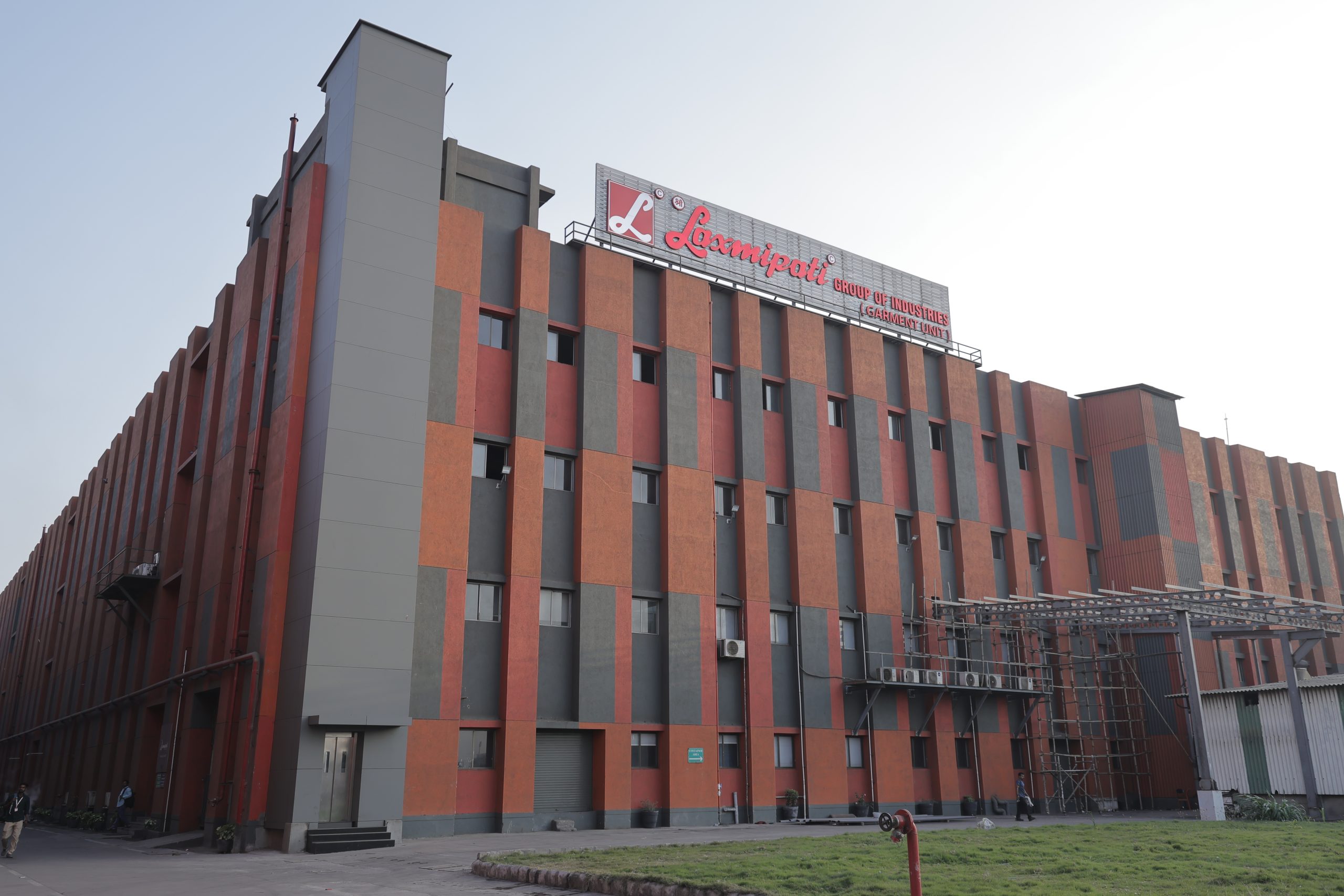
With an investment of Rs.670 crore, the Laxmipati Group is developing a state-ofthe-art composite manufacturing campus featuring 5,000 stitching machines alongside integrated spinning, knitting, processing, and garmenting operations.
The facility is designed to become one of Western India’s most advanced apparel manufacturing campuses, supported by large-scale industrial infrastructure and an integrated textile-to-garment ecosystem. The project is also expected to generate employment for more than 10,000 people. The state-of-the-art unit will manufacture 100,000 garments everyday.
Under Parth’s leadership, the emphasis extends far beyond production capacity. The focus is on building manufacturing agility, product development capabilities, and operational systems that can support the expectations of modern global brands.
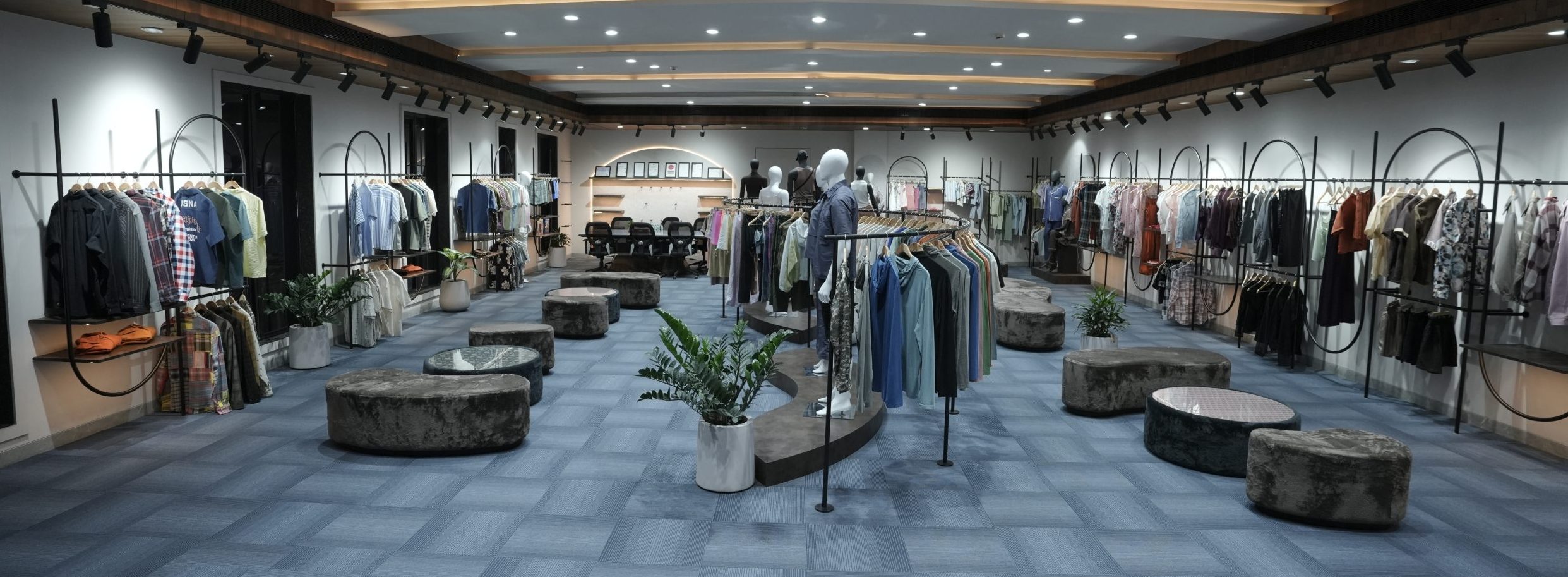
Automation-Led Precision and Manufacturing Efficiency
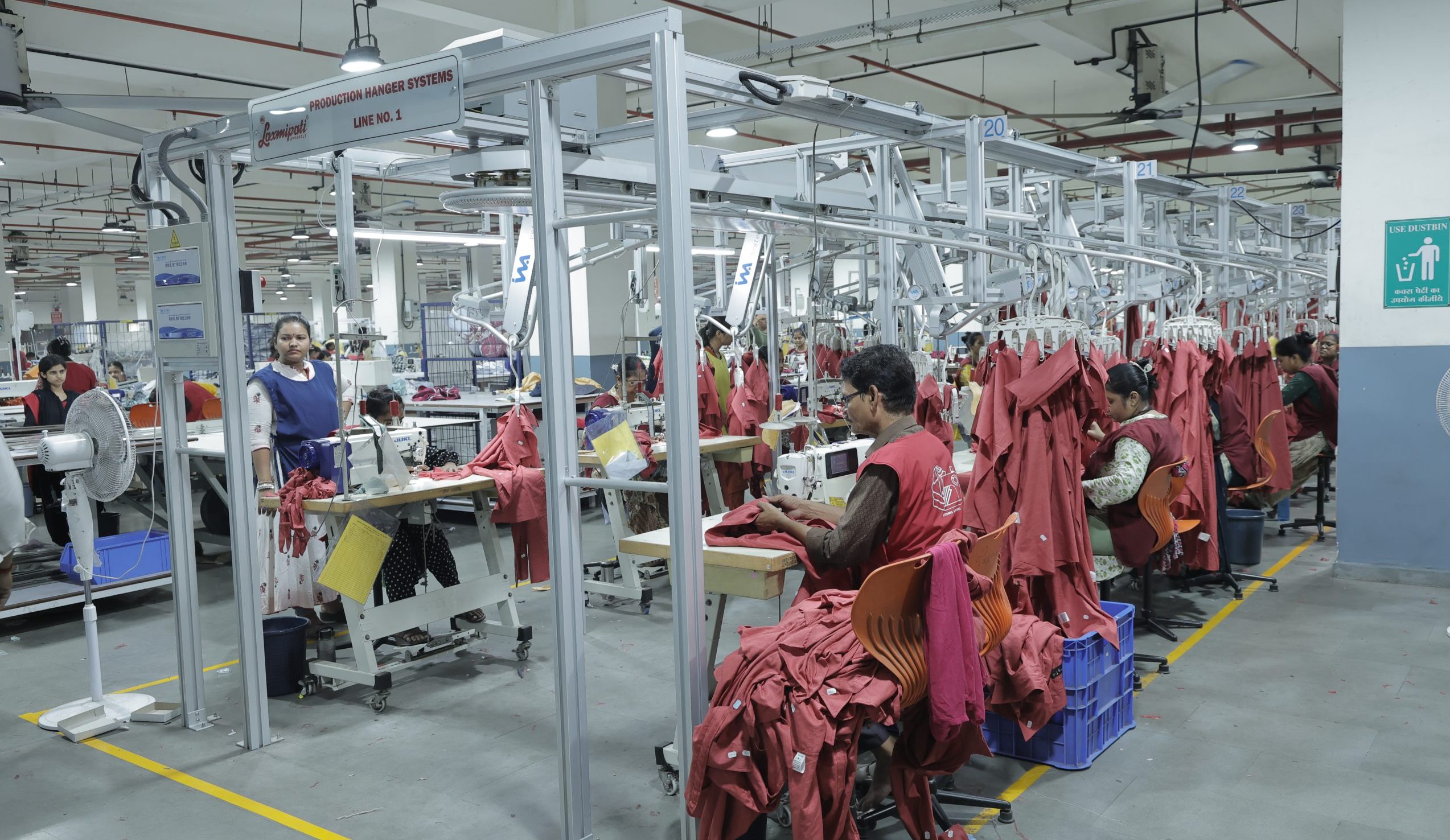
Technology and automation form the backbone of Laxmipati Apparels’ manufacturing strategy, supported by:
• Advanced sewing and production systems designed to improve accuracy, consistency, and manufacturing efficiency at scale.
• Hanger automation systems, enabling smoother workflow movement, improved line balancing, and enhanced production efficiency.
• Automatic needle management systems, strengthening consumption control, operational safety, and reducing production downtime.
• Bonding technologies for specialised categories such as activewear and lingerie, delivering precision finishing and consistent product quality.
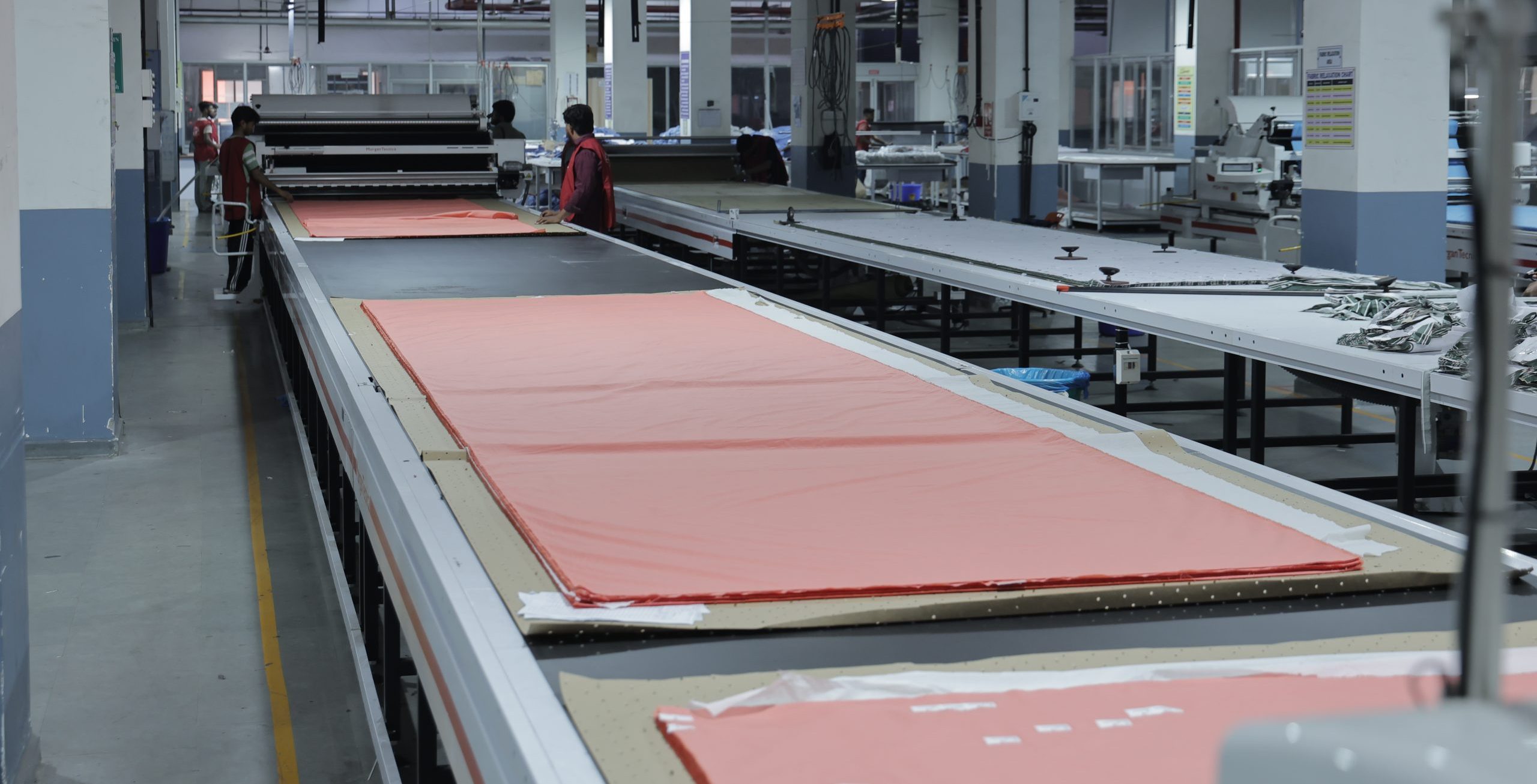
• Automated spreading and cutting technologies, improving fabric utilisation, minimising wastage, and shortening production timelines.
• Integrated digital platforms for planning, production tracking, inventory management, and shipment monitoring, providing end-to-end visibility across operations.
• Real-time production monitoring and supply chain traceability, enabling better process control, faster decision-making, and greater transparency for global customers.
Quality and Product Development
Sampling at Laxmipati Apparels is built as a strategic capability rather than a preproduction function. By integrating product development, fabric innovation, sampling, and manufacturing, the company aims to shorten development timelines and enable brands to move from concept to commercial production with greater speed and confidence.
Its product development capabilities are supported by an in-house team of over 50 skilled professionals, including designers, merchandisers, and production experts with more than 100 years of collective industry experience.
Quality management is built on a multi-layered framework that has enabled the company to maintain rejection rates below one per cent and achieve near-zero client escalations.
The system includes in-house testing laboratories, four-point fabric inspection systems, panel checking in cutting rooms, TLS and Kanban methodologies, midline and inline quality checks, and needle detection systems.
Sustainability Embedded into Operations
Sustainability forms a core pillar of the Laxmipati Apparels manufacturing model. Operations are supported by renewable energy initiatives, including the use of solar and wind power to reduce the company’s carbon footprint.
The facility is designed to recycle and reuse over 6 lakh litres of water every day through its Zero Liquid Discharge (ZLD) treatment plant, enabling 100 per cent recycling of discharged water and significantly reducing freshwater consumption.
The company has also invested in environmentally responsible technologies and innovative materials, including Sorona®-based fabrics that blend natural and man-made fibres to create high-performance textile solutions.
These initiatives are strengthened by globally recognised certifications, including SEDEX, WRAP, OEKO-TEX® Standard 100, GRS, and GOTS, while a planned LEEDcertified campus and rooftop solar infrastructure reinforce the company’s longterm commitment to responsible manufacturing.
People at the Core
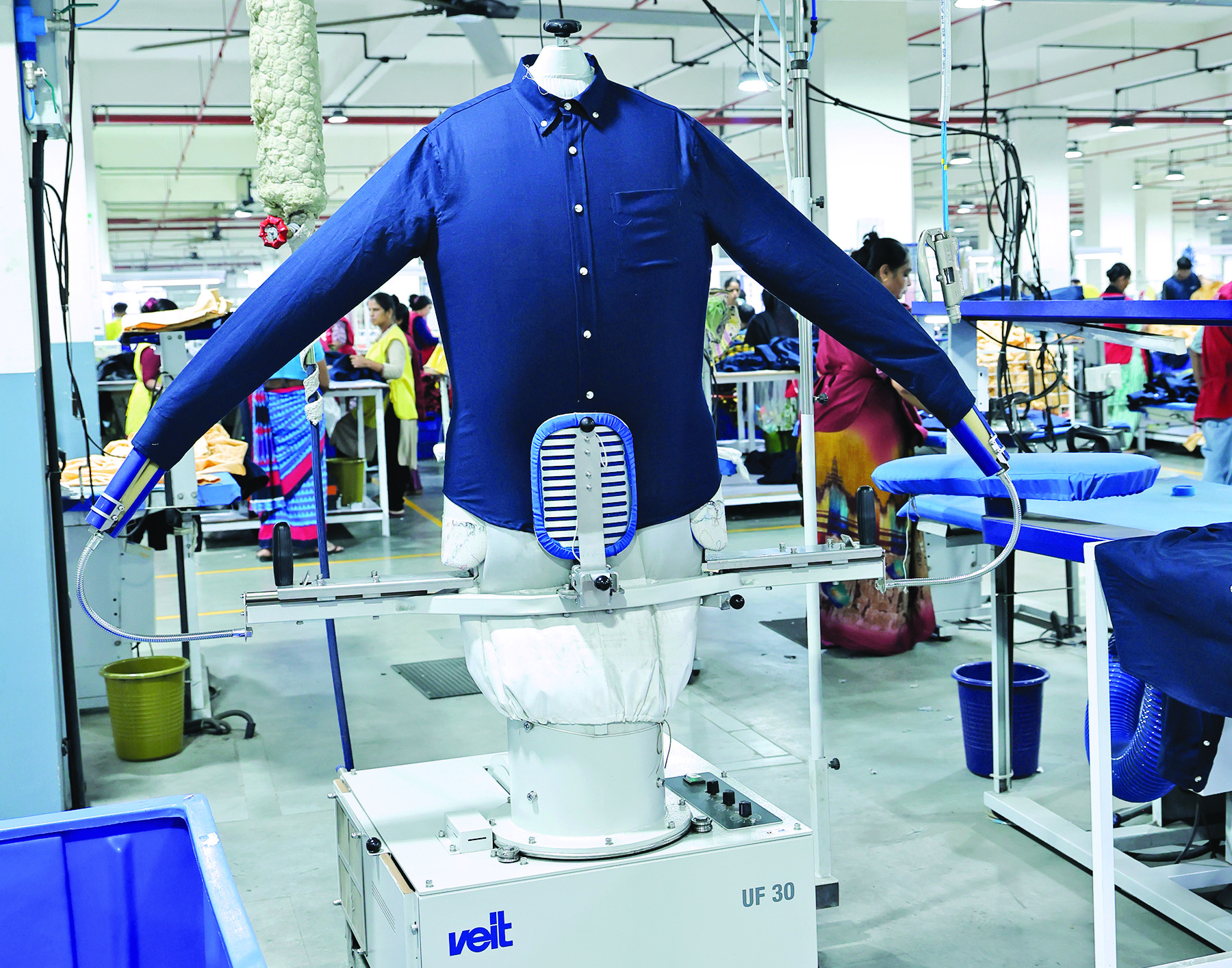
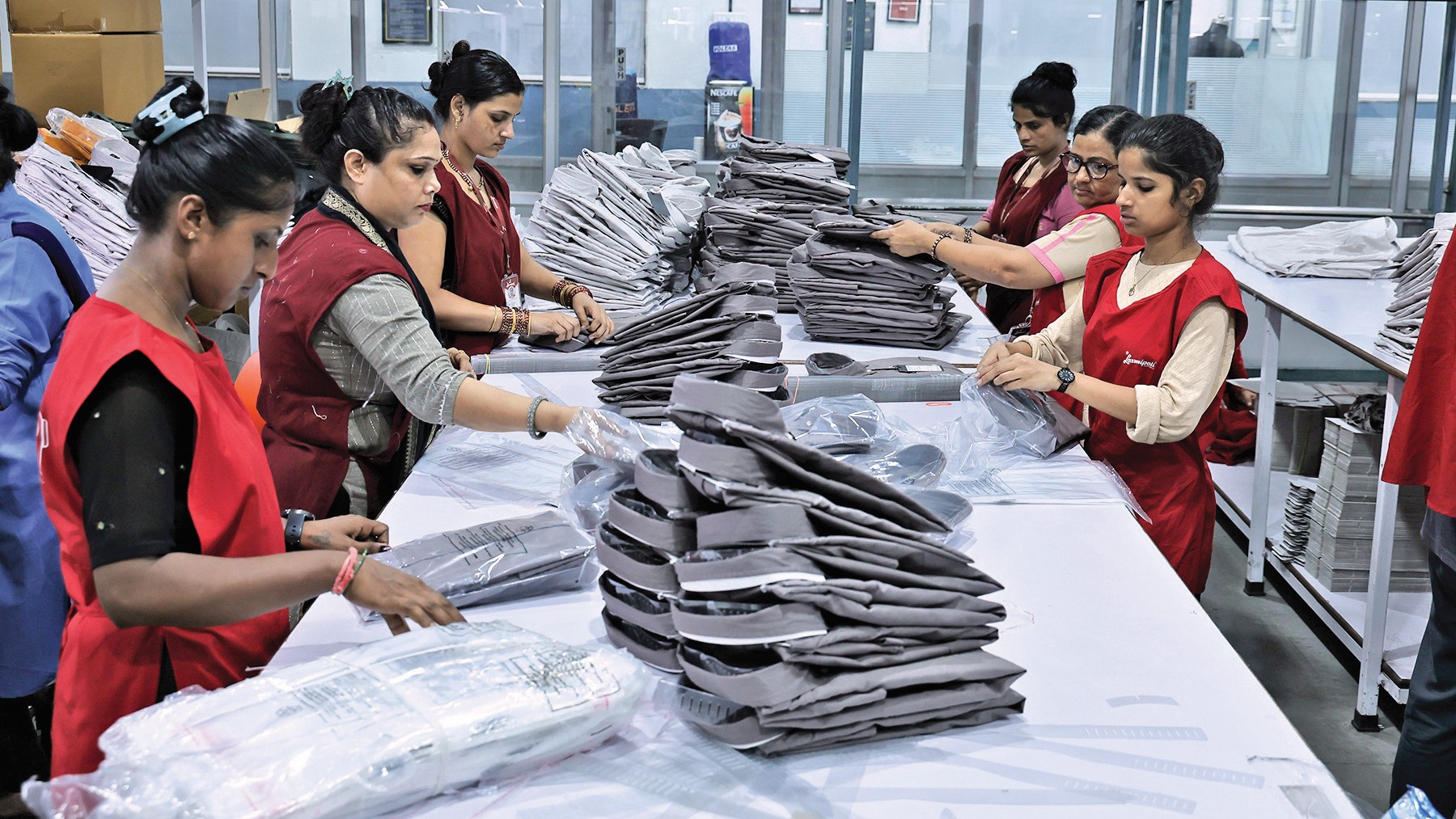
At Laxmipati Apparels, equal emphasis is placed on people and capability building. More than 80 per cent of the workforce comprises women employees, contributing across the value chain and reflecting the company’s commitment to inclusive growth and workforce participation.
The company is investing in structured training programmes, supervisory development, workforce welfare initiatives, and dedicated housing facilities to build a highly skilled and future-ready workforce aligned with international manufacturing standards.
The Group’s commitment to social responsibility extends beyond manufacturing through its charitable healthcare initiatives, which provide free and subsidised medical services to workers and the wider community.
A Leadership Transition Built for Scale
While the foundation of the Group continues to be guided by Mr. Sanjay Sarawagi, the next phase is being actively shaped by Parth Sarawagi, who is driving execution, modernisation, and global positioning through Laxmipati Apparels.
His ambition is to build more than a manufacturing facility. He is building a nextgeneration apparel platform that combines India’s textile strengths with the capabilities demanded by modern global brands, from product development and manufacturing excellence to sustainability and innovation.
From Surat to the world, Laxmipati Apparels represents the Group’s next growth engine and its commitment to building a globally competitive manufacturing platform for the future of apparel.