For years, fashion brands treated sourcing like a map problem. Pick the best country for price, capacity, and lead times, then scale. That playbook is getting rewritten. In today’s global environment, the bigger risk is not just cost. It is disruption. Tariffs can shift with politics. Shipping lanes can become uncertain. A factory that is reliable today can become hard to work with tomorrow due to compliance changes, export controls, or sudden policy decisions.
Fashion is learning what other industries learned earlier. Supply chains are not only operational. They are strategic. And when the world becomes less predictable, “where you manufacture” matters, but “how you execute” matters even more.
Why geopolitics is now a design constraint
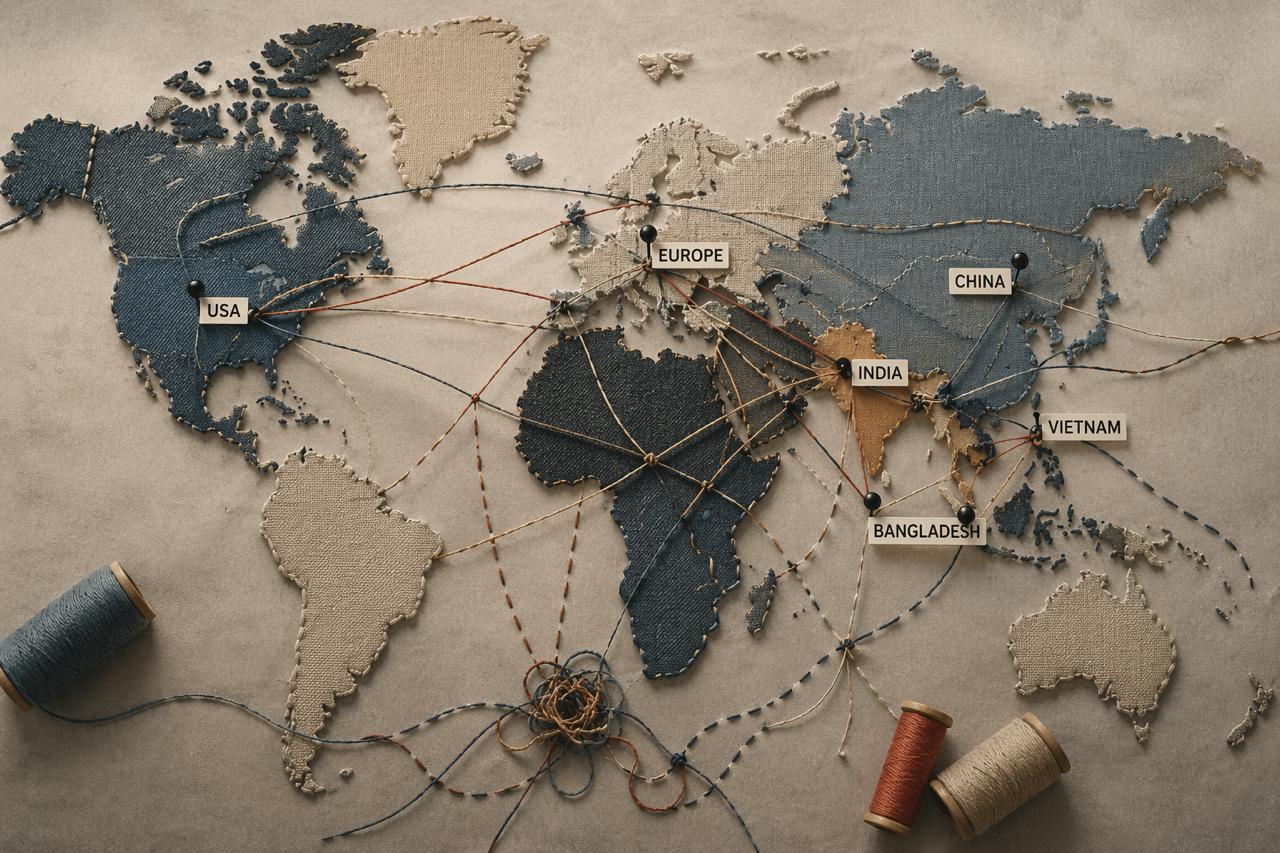 Fashion runs on timing. If raw material arrives late, sampling slips. If production starts late, the collection misses its window. And if the product lands late, markdowns eat the margin. Geopolitics interferes with each of these steps, often without warning.
One week, a trade route is smooth. The next week, shipping time and insurance costs rise. One season, a tariff structure makes a certain category profitable. The next season, it becomes a pricing headache. Brands are now forced to build plans that can absorb shocks, not just optimise for best-case conditions.
This is why supply chain conversations inside fashion are no longer limited to procurement teams. They sit with leadership. The question is not only “what is cheapest,” but “what is dependable under pressure.”
The “China plus one” era is no longer optional
Most global brands are not trying to replace China fully. They are reducing concentration risk. The shift is about building a second engine of sourcing depth so the business is not exposed to a single geography.
But this is where many companies make a mistake. They treat diversification like a one-time move. It is not. Moving production is easy on paper. Building reliable execution in a new country is the real work.
Every region has different strengths. Some are excellent for basics and volume. Some are better for flexibility and short runs. Some have strong fabric ecosystems. Some depend heavily on imported inputs. A “plus one” strategy only works when it is planned category by category, not as a blanket relocation.
Why execution will beat geography
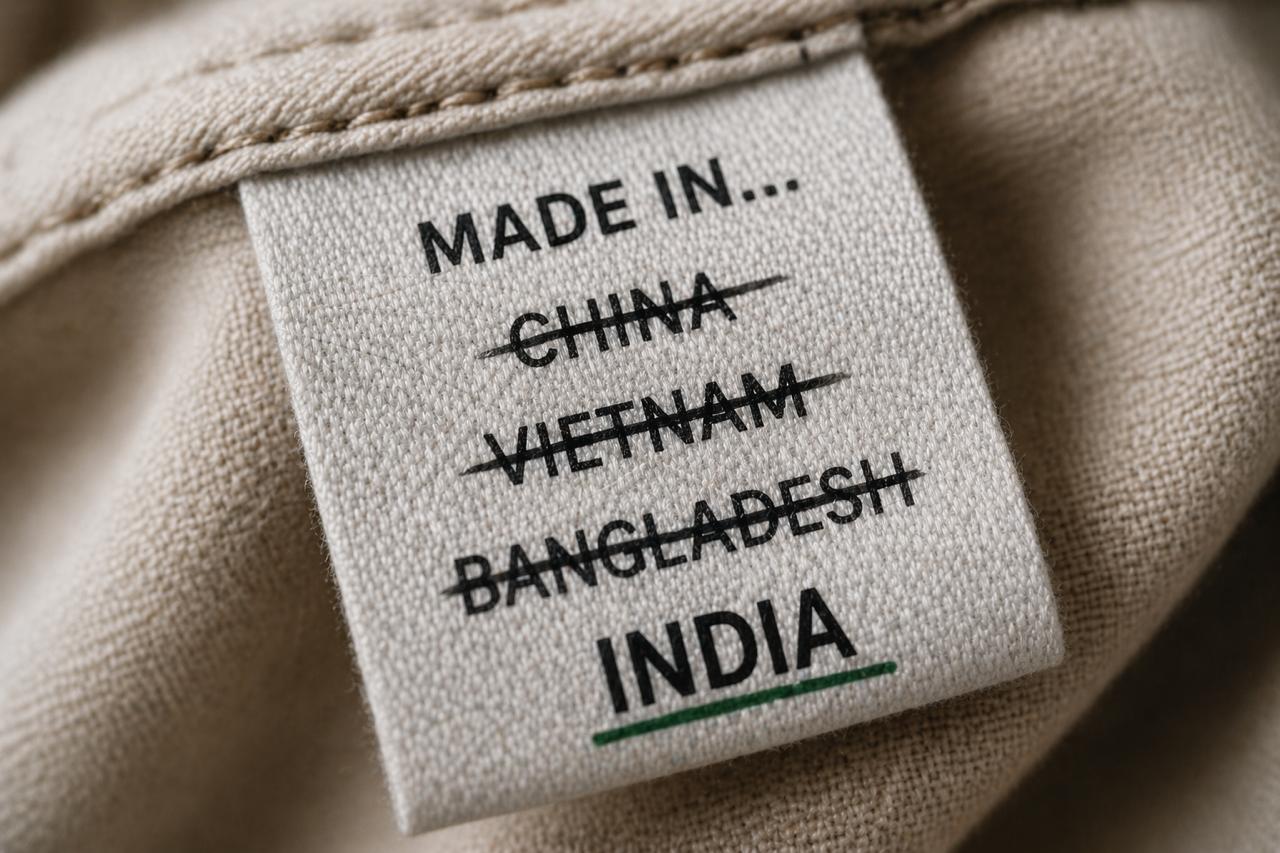 In the next few years, the winners will not simply be brands that source from the right countries. They will be brands that run sourcing like a system.
Execution matters because fashion supply chains are full of moving parts. Fabric booking, trims, sampling, approvals, production planning, quality checks, and logistics all require coordination. If a brand adds new countries without upgrading how it manages coordination, it ends up with delays, inconsistent quality, and constant firefighting.
In practical terms, execution comes down to a few things.
First is supplier readiness. Brands need partners who can meet compliance, quality, and delivery requirements consistently, not only during audit weeks. Second is planning discipline. If forecasting is weak, even the best factory cannot deliver smoothly. Third is visibility. When issues are detected late, they become expensive.
The geography may change, but the fundamentals do not. A fragmented supplier base without strong planning will disappoint, no matter where it sits.
The rise of regionalisation and faster response cycles
Fashion is also being pulled toward regional supply chains. When demand is unpredictable, long lead times become dangerous. Brands want the ability to replenish what is selling and cut what is not, without waiting months.
This is pushing a split model. Core volume may still come from scale hubs. But quicker response, new styles, and limited drops are increasingly being produced closer to demand markets. This is not only about speed. It is about reducing inventory risk.
It also changes the role of sourcing teams. They are not only negotiating rates. They are building a network that can flex with demand.
What brands are rebuilding right now
Brands that are serious about resilience are redesigning how they work with suppliers.
They are building multi-country capacity for the same product category, so production can shift when needed. They are investing in stronger quality and compliance systems, because global buyers do not want surprises. They are improving planning and data visibility, so they can see delays early. And they are working to reduce dependency on single points of failure, whether that is one mill, one trim vendor, or one logistics route.
The next supply chain advantage will look boring
The strongest supply chains in fashion will not look dramatic. They will look disciplined. They will have clear vendor governance, consistent quality systems, faster approvals, and better coordination across tiers. They will be able to shift production without chaos, because their execution model is built for change.
Geopolitics is redefining fashion supply chains, but geography is only part of the answer. The real differentiator will be execution. Brands that build resilient systems, not just new supplier maps, will be the ones that protect margins, hit timelines, and stay reliable when the world does not cooperate.
Abhishek Sharma, CEO & Co-Founder at Fashinza