India’s fashion and retail industry is entering a transformative phase. Rising disposable incomes, increasing digital penetration, evolving lifestyles, and a young aspirational population are reshaping the way consumers discover, evaluate, and purchase fashion. At the same time, the market has become significantly more competitive, with consumers having access to a wider range of domestic and international brands than ever before.
For legacy Indian fashion companies, this presents both an opportunity and a challenge. The opportunity lies in serving one of the world’s most dynamic consumer markets. The challenge lies in staying relevant in an environment where consumer preferences evolve rapidly, trends change overnight, and brand loyalty can no longer be taken for granted.
The next phase of growth in Indian fashion will not be driven by scale alone. It will be driven by a deeper understanding of consumers, continuous product innovation, omnichannel engagement, and the ability to build brands that remain relevant across generations.
Building and Scaling Iconic Indian Fashion Brands
One of the biggest shifts in the Indian fashion market over the last decade has been the evolution of consumer behavior. Today’s consumer is more informed, more experimental, and more willing to explore new brands and styles than ever before.
Historically, fashion brands benefited from strong customer loyalty built over years of trust and familiarity. While trust remains important, loyalty today must be continuously earned. Consumers are exposed to global trends through social media, digital platforms, influencers, and content creators. As a result, they are constantly evaluating new options.
This means that building an iconic fashion brand today requires much more than offering quality products. Brands must create meaningful consumer connections, maintain a distinct identity, and consistently deliver relevance.
At the same time, successful brands must strike a careful balance between evolution and consistency. While trends change rapidly, consumers continue to value authenticity. The strongest brands are often those that adapt to changing market realities while retaining the core attributes that consumers associate with them.
The Future of Denim and Casualwear in India
Among all apparel categories, denim remains one of the most enduring. Despite changing fashion cycles, denim continues to hold a unique position in consumers’ wardrobes because of its versatility, comfort, and ability to evolve alongside cultural trends.
The future of denim is not about whether the category remains relevant; it is about how it continues to adapt. Over the years, the market has witnessed a transition from slim fits to straight fits, relaxed silhouettes, wider cuts, and comfort-driven styles. These shifts reflect broader lifestyle changes and the growing preference for comfort-oriented fashion.
At the same time, casualwear has emerged as one of the most significant growth drivers within the apparel industry. As workplace dress codes become more relaxed and consumers seek clothing that seamlessly transitions between professional and personal settings, casualwear has become increasingly central to everyday wardrobes.
The influence of Gen Z is particularly visible in this evolution. Unlike previous generations, younger consumers place greater emphasis on selfexpression, individuality, and comfort. They are less interested in following prescribed fashion rules and more interested in creating their own style identities. This has contributed to the growing popularity of oversized silhouettes, relaxed fits, and more experimental fashion choices.
The result is a market where fashion is becoming increasingly personal. Consumers are no longer dressing simply to follow trends; they are dressing to reflect who they are.
Consumer Trends Across Tier I, II and III Markets
One of the most exciting developments in Indian fashion is the convergence of aspirations across geographies.
While Tier I cities have traditionally been early adopters of fashion trends, consumers in Tier II and Tier III markets are rapidly narrowing the gap. Increased internet penetration, social media exposure, and digital commerce have significantly democratized access to fashion inspiration and products.
Consumers across India today are more fashionconscious than ever before. They are increasingly aware of global trends, more confident in experimenting with styles, and more willing to invest in products that align with their aspirations.
The rise in spending power is also driving premiumization across categories. Consumers are increasingly seeking products that offer superior quality, design, innovation, and overall value. However, the Indian market remains highly diverse. While some consumers prioritize fashion-forward products, others focus on comfort, sustainability, durability, or value for money.
This diversity reinforces the need for brands to understand multiple consumer segments rather than relying on a one-size-fits-all approach.
Omnichannel Retail and the Rise of Connected Commerce
The relationship between physical retail and digital commerce continues to evolve. While e-commerce has transformed the shopping journey, physical retail remains highly relevant. Consumers increasingly expect convenience and speed, but they also seek experiences that allow them to engage directly with products and brands.
Stores today serve a broader purpose than simply facilitating transactions. They function as spaces for discovery, engagement, and brand storytelling. Consumers often visit stores to experience products firsthand, understand quality and fit, and establish a stronger connection with the brand.
At the same time, digital platforms are accelerating product discovery and enabling impulse purchases. Consumers can now discover a product, evaluate it, and complete a purchase within minutes.
As a result, the future of retail is not about choosing between online and offline channels. It is about creating a seamless omnichannel ecosystem where stores, websites, marketplaces, mobile applications, and social commerce platforms work together to deliver a unified consumer experience.
Direct-to-consumer channels are becoming increasingly important within this ecosystem. Beyond driving sales, D2C platforms provide valuable consumer insights that help brands better understand preferences, personalize experiences, and build stronger long-term relationships.
Driving Sustainable Long-Term Growth
As market dynamics continue to evolve, sustainable long-term growth will depend on a combination of innovation, agility, and strategic discipline.
Product innovation will remain critical. Fashion is inherently dynamic, and brands must continuously respond to changing trends, emerging categories, and evolving consumer expectations. The ability to identify shifts early and translate them into relevant products will become an increasingly important competitive advantage.
Technology will also play a central role. From demand forecasting and inventory management to consumer analytics and product development, technology can help brands make smarter decisions and improve responsiveness.
Sustainability is another important consideration. While some consumers actively seek environmentally responsible products and others prioritize affordability, these objectives do not have to be mutually exclusive. Advances in technology and manufacturing processes are creating opportunities for sustainable products to become increasingly accessible and value-driven.
Ultimately, the brands that succeed over the next decade will be those that remain deeply connected to consumers while continuously evolving alongside them. Fashion trends will come and go, but the fundamentals of strong brandbuilding remain unchanged: understanding consumers, delivering consistent value, embracing innovation, and maintaining a clear identity.
In a rapidly changing marketplace, relevance will come from evolution, but longevity will come from trust. The future of Indian fashion belongs to brands that can successfully achieve both.
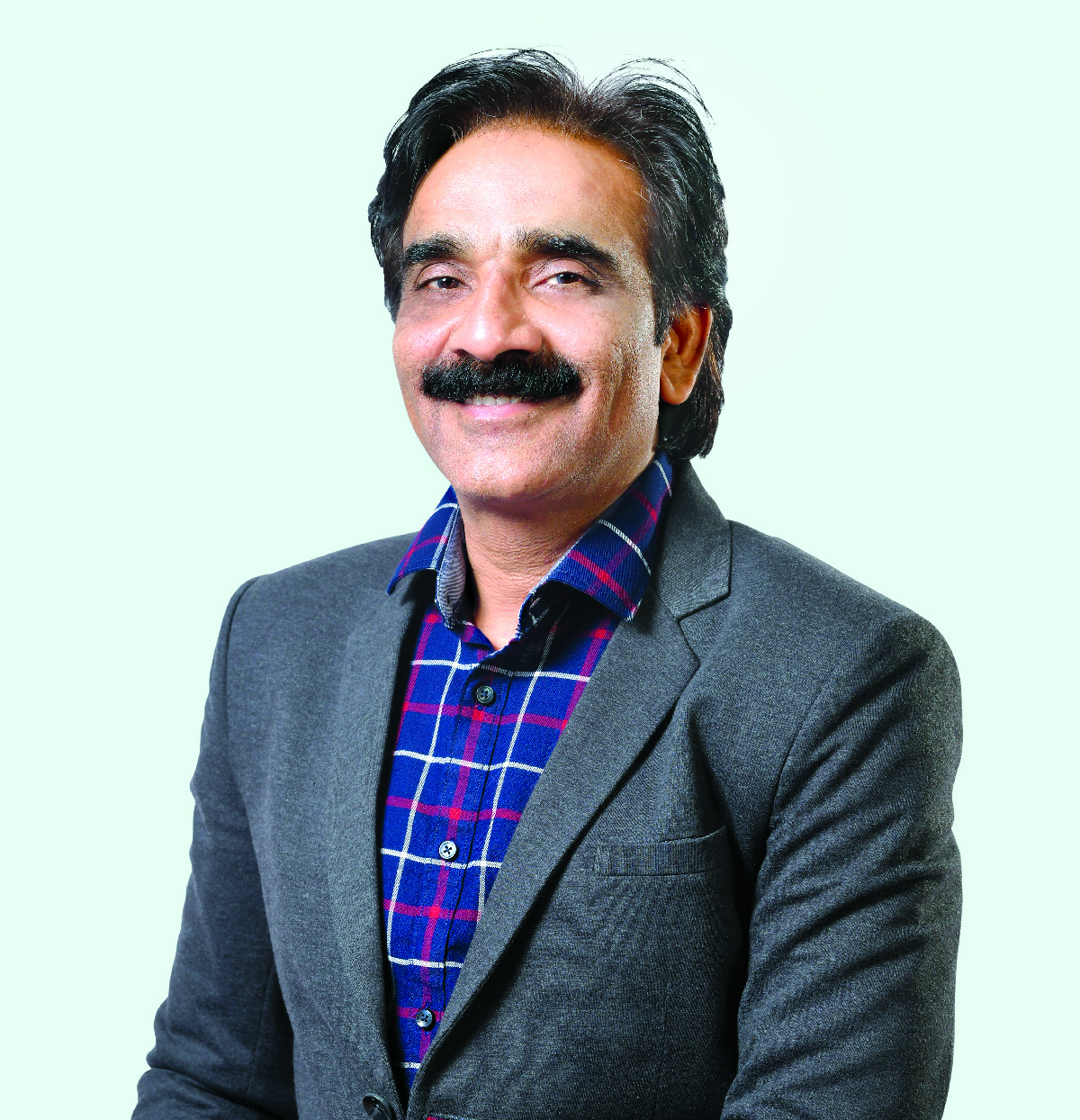 HEMANT P. JAIN is the Joint Managing Director and one of the key promoters of Kewal Kiran Clothing Limited. With over 30 years of experience in the apparel industry, he has played a significant role in the company’s growth, brand development, and retail expansion. He leads brands such as Killer, Easies, and Desi Belle, while overseeing retail operations and driving innovation through a keen understanding of global fashion trends. He is also actively involved in various group companies and charitable initiatives.