India’s textile industry is facing fresh geopolitical headwinds after Israel and the US launched air strikes on Iran two days ago. India exports textile and apparel products worth nearly Rs 5,000 crore to the UAE alone and another Rs 1,500 crore to other parts of West Asia. Tiruppur accounts for shipments of around Rs 450–500 crore per month to West Asian countries. Nearly 13–14% of its textile and apparel products to West Asia.
The conflict has disrupted trade flows, with vessels remaining anchored at ports over the past two days. Exporters are still assessing the overall losses.
One of the worst-affected segments is likely to be polyester yarn. Oil is the primary raw material for polyester yarn, derived from petroleum-based hydrocarbons such as para-xylene. These are processed into purified terephthalic acid (PTA) and ethylene glycol, which are polymerised under high heat to create polyester polymer that is spun into yarn. For one kg of yarn, nearly 85% to 90% of the input is PTA.
The UAE is among the largest markets for Indian textile and apparel exporters in West Asia. In 2024, it was the fourth-largest market for India’s textile and apparel exports after the US, the EU and Bangladesh.
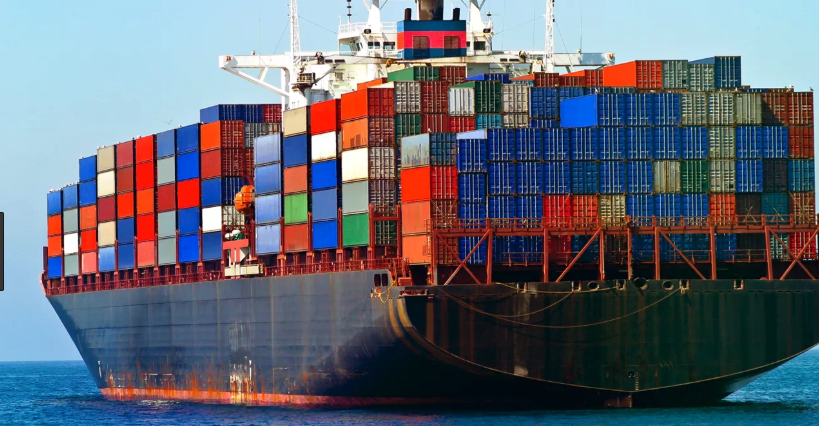
Shipping companies have also raised freight charges sharply. Some have increased rates by $1,500 to $2,000 per container from the earlier $200–$250 range. Maersk has reportedly increased rates by nearly $1,700 per container to West Asia and beyond, while CMA CGM has raised rates by $2,000 to $3,000 per container.
A Sakthivel, chairman of the Apparel Export Promotion Council, has urged the government to waive demurrage charges on export cargo in view of flight disruptions arising from the ongoing West Asia crisis.