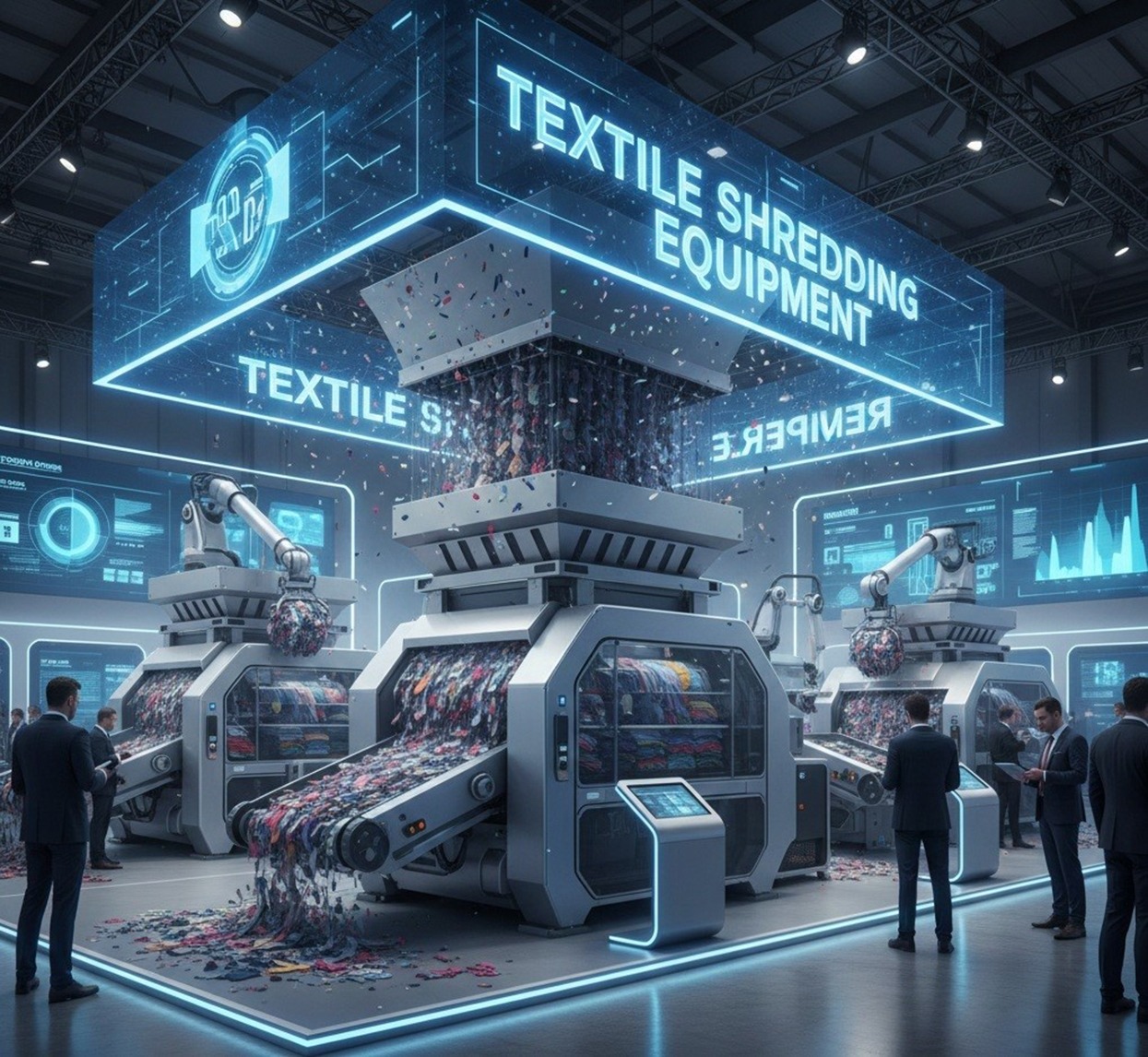
 According to Research intelo, the Global Textile Shredding Equipment market size was valued at $1.2 billion in 2024 and is projected to reach $2.8 billion by 2033, expanding at a robust CAGR of 9.4% during 2024–2033. This impressive growth trajectory is primarily driven by the urgent global need for sustainable textile waste management solutions, as the fashion and garment industries face mounting pressure to address environmental concerns and comply with stricter regulations. The market’s expansion is further propelled by the rising adoption of advanced shredding technologies that enhance efficiency, reduce operational costs, and enable the recycling of diverse textile materials into high-value products.
Introduction: A Sector Entering Its Next Cycle of Innovation
As India prepares for Techtextil India 2025, the industry’s focus is clearly shifting toward the fast-expanding world of functional and technical textiles. From filtration and automotive fabrics to PPE, geotextiles, and performance wear, the demand for specialized materials is growing at a pace the conventional textile ecosystem can no longer ignore.
Amid this transition, a parallel market is rising quietly but decisively: the Textile Shredding Equipment Market. Once considered a back-end waste-management tool, textile shredders are now becoming central machinery in modern textile value chains, especially as sustainability, recycling, and resource recovery become priority themes for manufacturers, investors, and policymakers.
Market Dynamics: Why Textile Shredding Equipment Is Gaining Strategic Importance
From Waste Handling to Material Recovery
Textile shredders were historically used to merely reduce bulk waste. However, technical textile producers are now using shredding technologies to:
• Reprocess high-performance fiber waste (Kevlar, Nomex, carbon fiber, aramids)
• Convert cutting scraps into high-value recycled fibers
• Support nonwoven applications through fiber re-opening
• Enable circularity for polyester, viscose, and cotton blends
For manufacturers preparing for Techtextil India 2025, shredding equipment is no longer optional it’s a strategic asset that strengthens sustainable production capability.
Rise of Functional & Technical Textiles Driving Specialized Shredders
Technical textile materials are not easy to process. Many of them require shredders with:
• Heat-resistant cutting chambers
• High-torque rotors for dense, multilayer composites
• Automated feeding systems for continuous industrial lines
• Anti-wrapping cutters for elastic or filament-heavy fabrics
As production volumes rise, the need for industrial, high-durability, custom-engineered shredders rises with it.
Market Trends Reshaping the Future of Textile Shredding
Circular Manufacturing Becoming Mainstream
Textile shredders are key enablers of:
• Closed-loop recycling
• Regenerated fiber production
• Blended material separation (mechanical pre-processing)
• Eco-friendly nonwovens
With global brands demanding recycled content and governments tightening waste norms, shredding equipment manufacturers are seeing surging inquiries from mills, garmenting units, nonwoven companies, and technical textile producers.
Automation and Smart Monitoring Enter the Shopfloor
Newer shredders now include:
• Digital load monitoring
• Predictive maintenance sensors
• PLC-based safety and RPM control
• Integration into automated recycling lines
This mirrors the automation theme expected to dominate Techtextil India 2025.
Growth of “Hybrid Shredding Lines”
A prominent trend is the integration of:
• Pre-shredders
• Fine shredders
• Carding waste openers
• Dust extraction units
• Magnetic filters for metal detection
This offers mills a complete recycling ecosystem, meeting sustainability KPIs demanded by global buyers.
What new horizons of opportunity are unfolding for manufacturers and investors?
Rising Technical Textile Production = Higher Shredder Demand
Segments fueling demand include:
• Automotive technical textiles
• Industrial filters
• Protective clothing and PPE
• Composites and laminated fabrics
• Geotextiles & agrotech fabrics
As India targets becoming a global hub for technical textiles, shredding equipment demand will accelerate.
Recycling-Based Yarn Production
Recycled yarn particularly cotton, polyester, and blended varieties is gaining massive adoption in fashion and denim sectors. Textile shredders form the foundation of these recycling plants, opening opportunities for equipment suppliers.
Government Push Toward Zero-Waste Manufacturing
Policies such as:
• Extended Producer Responsibility (EPR)
• Lifecycle-based sustainability certifications
• Waste traceability mandates
…further boost investments in shredding and recycling lines.
How Do Challenges and Considerations Impact Industry Stakeholders?
Complex Blended Fabrics
Shredding polyester-cotton, poly-viscose, and high-performance blends requires specialized designs. Many SMEs still lack awareness of the correct equipment specifications.
Energy Consumption and Dust Control
Technical textile waste, especially nonwovens, generates heavy dust loads. Companies are demanding energy-efficient shredders with integrated dust management.
Capital Investment for Complete Recycling Lines
Small and mid-scale mills often need financial support or shared recycling clusters to justify full-line investments.
Can Techtextil India 2025 Drive Growth in the Shredding Equipment Market?
With Techtextil India 2025 spotlighting:
• Circular economy solutions
• Technical textile recycling
• Automation and smart factories
• High-performance fibers and functional innovations
…the event is expected to become a major platform for shredding equipment suppliers to showcase modern systems.
Manufacturers attending the show can expect demand for:
• Shredders tailored for high-performance fiber scraps
• Turnkey recycling lines for advanced materials
• Automated systems for nonwoven waste reprocessing
• Sustainable production technologies aligned with global ESG benchmarks
This alignment makes 2025 a pivotal year for the textile shredding equipment market.
Competitive Landscape
• Vecoplan
• SSI Shredding Systems
• WEIMA Maschinenbau
• UNTHA Shredding Technology
• Eldan Recycling
• Genox Recycling Tech
• Shred-Tech
• Forrec Srl
• Allegheny Shredders
• Saturn Shredders
• Jordan Reduction Solutions
• ZERMA Machinery & Recycling Technology
• Harden Machinery
• MOCO Maschinen- und Apparatebau
• SatrindTech Srl
• Rapid Granulator
• Komptech
• BCA Industries
• Granutech-Saturn Systems
Future Outlook: A Market Ready for Rapid Expansion
According to Research intelo, The Textile Shredding Equipment Market is transitioning from a basic waste-management segment to a technology-driven, sustainability-critical pillar of the modern textile industry. As functional and technical textiles dominate headlines and with Techtextil India 2025 reinforcing this momentum shredding equipment manufacturers, recyclers, and textile mills stand at a high-growth intersection of innovation and circular economy.
For textile professionals, investing in advanced shredding systems is not just an operational upgrade it is a forward-looking strategy aligned with the future of global textiles.
Source:- https://researchintelo.com/report/textile-shredding-equipment-market