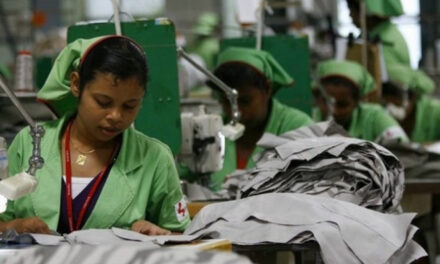

The West Asia conflict is driving up raw material, energy and freight costs for apparel manufacturers, putting pressure on margins and raising the prospect of higher clothing prices, according to media reports. The impact could become more visible on retail shelves over the coming seasons as existing inventories and advance orders work through supply chains.
The pressure is spreading across both synthetic and natural fibres, limiting manufacturers’ ability to switch between materials to contain costs. Polyester prices have risen alongside crude oil, while cotton has also climbed amid tighter supply concerns, with manufacturers and retailers weighing higher prices against weaker consumer demand.
Polyester, a petroleum-derived fibre, has been among the materials most affected by the surge in energy costs. In China, polyester prices have risen to near four-year highs, while Plummy Fashions, a Bangladesh-based garment manufacturer supplying brands including Zara and Pull&Bear, reported that polyester yarn prices increased by as much as 25 per cent within weeks of the conflict beginning.
Cotton prices have also risen as buyers sought alternatives to increasingly expensive polyester and supply tightened. Cotton futures recently reached their highest level since March 2024, with concerns over the impact of El Niño on harvests adding to the pressure. The simultaneous increase in the prices of both major fibres is reducing manufacturers’ ability to substitute one material for another. The increase extends beyond fibres.
Retailers have more options than manufacturers to manage higher costs. They can negotiate lower prices with suppliers, alter product specifications, change sourcing locations or pass some of the increase on to consumers. Manufacturers and consultants are considering changes such as reducing fabric weight, simplifying designs, modifying material blends or removing product features to contain production costs. McKinsey’s Hügl estimates that prices for basic apparel could eventually rise by 10 per cent to 20 per cent, although the full impact could take as long as a year to reach consumers.
The timing of any retail price increases will depend partly on brands’ purchasing cycles. Apparel companies often place orders months in advance, meaning higher production and logistics costs may take several seasons to filter through to finished products. For retailers, the challenge extends beyond production costs to consumer demand. Higher household spending on essentials such as food and energy could leave consumers with less disposable income for discretionary purchases, increasing the risk that higher apparel prices weaken demand.
Manufacturers are therefore monitoring commodity prices, freight routes and consumer spending as they assess how much of the cost increase can be passed through. With factory margins already narrow, prolonged increases in raw material and logistics costs could leave apparel makers facing continued pressure even before any corresponding rise in retail prices.