India’s Direct-to-Consumer (D2C) market is experiencing significant momentum, with industry estimates projecting the sector to reach $60 billion by 2030. India is already home to more than 11,000 D2C brands, highlighting both the scale of opportunity and the intensity of competition within the sector. While the opportunity is immense, the next phase of growth is likely to look very different from the last.
For much of the past decade, consumer brands were built on the back of performance marketing, influencer campaigns, and aggressive customer acquisition strategies. Today, however, rising acquisition costs, increasing competition, and evolving consumer expectations are forcing brands to rethink what drives sustainable success.
The question is no longer who can market a product most effectively. It is increasingly about who can build a better product, deliver consistent quality, and offer superior value. In this environment, manufacturers are emerging with a distinct competitive advantage.
The Limits of Marketing-Led Growth
The barriers to launching a consumer brand have never been lower. Contract manufacturing, e-commerce platforms, and social media have enabled entrepreneurs to bring products to market faster than ever before.
However, this accessibility has also created a crowded marketplace. Trends are replicated rapidly, advertising messages often sound similar, and consumers are exposed to countless brands competing for their attention every day.
At the same time, customer acquisition costs continue to rise across digital platforms, making it increasingly expensive for brands to depend solely on paid marketing for growth. As a result, profitability and retention are becoming more important than visibility alone.
Marketing can create awareness, but long-term success depends on the product itself.
Why Manufacturers Have an Edge
One of the most notable trends in the D2C ecosystem is the growing success of focused, category-led brands. As competition intensifies, having a clear USP is becoming increasingly important. Brands that attempt to be everything to everyone often struggle to stand out, while specialists are better positioned to establish expertise and differentiation. In a crowded marketplace, consumers are increasingly gravitating towards brands that demonstrate deep category knowledge rather than broad positioning.
Manufacturers entering the D2C space are uniquely positioned to capitalise on this shift. Years of experience in sourcing, production, quality control, and product development enable them to deliver greater consistency and reliability, key drivers of repeat purchases.
They also benefit from market intelligence. By working with multiple brands and retailers, manufacturers often gain visibility into upcoming trends, materials, designs, and consumer preferences before they reach the market. This allows them to anticipate demand shifts and respond proactively rather than reactively.
Another advantage lies in their understanding of production economics. Manufacturers know where costs can be optimised through sourcing, production planning, and process efficiencies while maintaining product quality. Combined with economies of scale across sourcing and production, this enables them to offer better value without compromising standards.
Cost Control Is Becoming a Competitive Weapon
Despite rising aspirations and premiumisation across several categories, India remains a highly valueconscious market. Consumers are willing to pay for quality, but they expect tangible benefits in return. Products that fail to justify their price points often struggle to build long-term loyalty, regardless of how effectively they are marketed.
Recent consumer studies reinforce this trend. According to EY’s Future Consumer Index, more than half of Indian consumers are switching to private labels, while a large majority believe these alternatives offer comparable or better quality. The findings suggest that consumers are increasingly evaluating products on performance and value rather than branding alone.
For manufacturers, this presents a significant advantage. Greater control over production costs, combined with economies of scale and fewer intermediary mark-ups, allows them to deliver quality products at more accessible price points. In a market where affordability remains a key purchase driver, this ability to balance value and quality can become a powerful differentiator.
Agility and the Future of D2C Brands
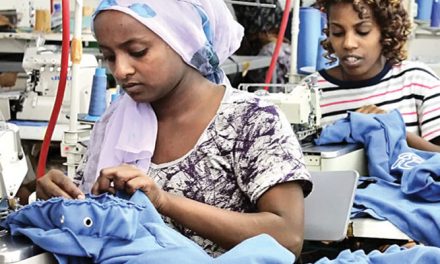
Another significant advantage for manufacturers is operational flexibility. Direct access to production enables smaller batch runs, faster product testing, and quicker responses to changing consumer demand. It also reduces inventory risk and allows better utilisation of production capacity, creating efficiencies for both factories and brands.
Marketing will continue to play an important role in building brands, but it is no longer enough on its own. As acquisition costs rise and consumers become more value-conscious, the brands that succeed will be those that combine strong branding with deep manufacturing expertise, supply chain control, and category specialisation.
In many ways, the industry is returning to a simple principle: enduring brands are built on superior products. As India’s consumer economy enters its next phase of growth, businesses that pair operational excellence with focused brand building are likely to define the next generation of consumer success stories.
 ASHUTOSH GOENKA is the Chairman & Managing Director of Meenakshi India Limited, with over 30 years of experience in corporate governance and business management. He has been instrumental in establishing the company as a globally trusted apparel manufacturing partner, driving growth through operational excellence, technology adoption, and strong client relationships. He also brings diversified leadership experience across sectors such as steel, power, technology, agriculture, and finance.