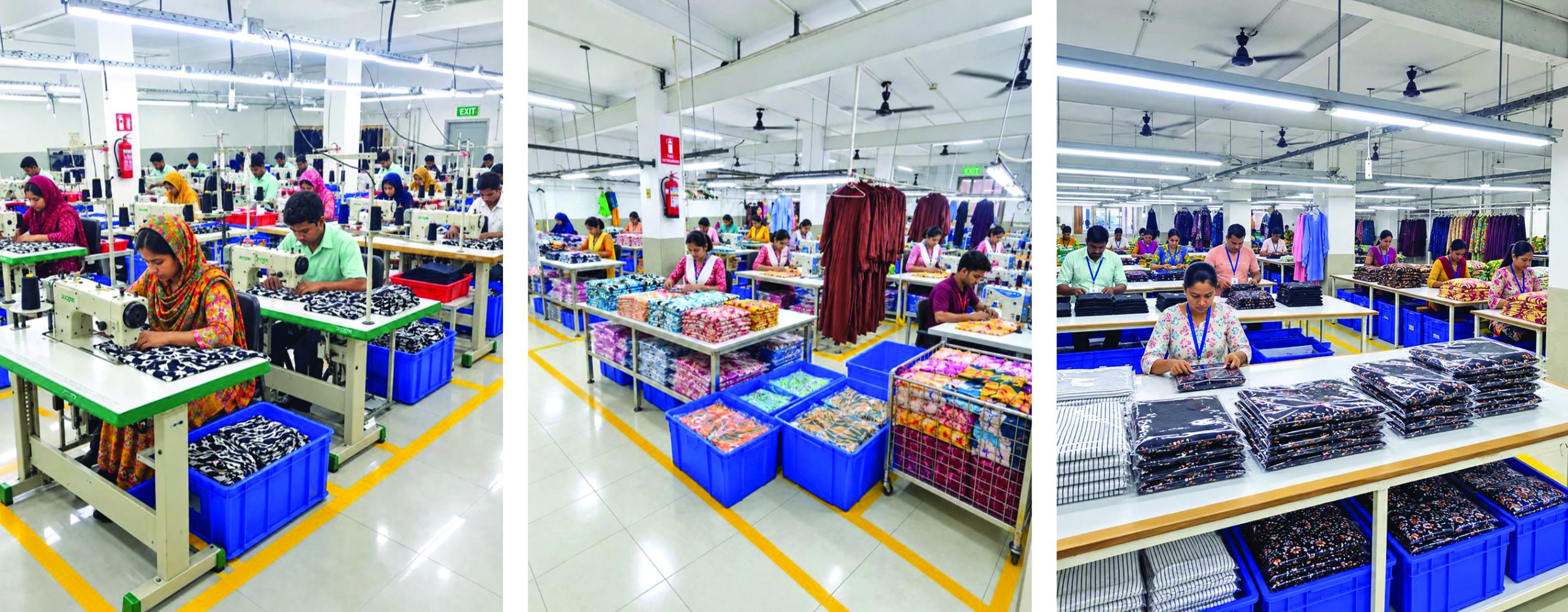
Every independent label founder and sourcing manager knows the disappointment of opening a bulk production delivery. The golden sample was exquisite: the fabric draped softly, the cotton dress held clean proportions, and the jewel-toned print appeared luminous from every angle. Yet the carton pulled from the shipping container reveals a different reality. The drape feels papery, the reverse of the print looks faded and chalky, the hem draws the side seams off grain, and an initial wash leaves the garment noticeably altered.
When bulk deviates from an approved prototype, buyers often assume the manufacturing partner cut corners intentionally. In practice, deliberate malpractice is rare among established export suppliers. Most discrepancies stem from a communication divide between design expectations and mill realities. Sampling is a slow, manual craft performed by master tailors and artisanal strike-off printers; bulk manufacturing is an industrial continuous process driven by high-speed machinery, automated feeding, and commercial batch chemistry.
To prevent bulk drift, labels must eliminate ambiguity within their technical documentation. Sourcing managers can prevent costly surprises by addressing the primary specification gaps that cause sample variations.
Yarn and Weave Substitution
What goes wrong: The bulk fabric feels noticeably stiffer, heavier, or unexpectedly limp compared to the sample, altering the intended garment drape.
Why it happens: Factories frequently source smallquantity yardage for sampling from open wholesale markets. This fabric is often woven on slow looms using combed, ring-spun yarns. When the style proceeds to bulk, the mill orders commercial greige weaving. To meet delivery schedules or minimum batch volumes, weaving sheds may substitute carded yarns, open-end spinning, or alter warp and weft density without alerting the merchandiser.
How to prevent it: Never approve sample fabric purely on tactile feel. Specify the yarn spinning method, whether fibres are combed or carded, whether threads are unplied or plied, and the required greige construction. Require your supplier to submit raw greige specification sheets and mill swatches prior to bulk processing.
Shrinkage on Loosely Woven Cottons
What goes wrong: Garments cut from airy cotton weaves, such as crinkle gauze, cheesecloth, or open slub fabrics, shrink excessively or twist along seams during laundering.
Why it happens: Loosely woven cottons are sensitive to mechanical tension. During continuous scouring, bleaching, and stentering, the fabric is drawn through rollers under strong longitudinal pull, stretching the weave artificially. If finished and wound onto rolls under tension without mechanical relaxation, the yarns remain elongated. The initial domestic wash releases this latent tension, causing the fabric to contract sharply.
How to prevent it: Mandate pre-shrinking processes in your purchase contract. Require mechanical sanforisation, wash tumbling, or pre-washing of yardage prior to cutting. Specify strict limits for dimensional change across length and width, and require wash testing on bulk lot fabric before sewing begins.
Print Show-Through on Voile
What goes wrong: Sheer cotton or silk voile displays vibrant colour on the face, but the reverse appears pale, uneven, or chalky, spoiling scarves and unlined garments.
Why it happens: Development samples are usually printed on manual flatbed tables. The printer pulls the squeegee slowly with high pressure, forcing the dye paste deep into the sheer fibres. In bulk production, yardage runs on high-speed rotary screens or digital printers. Industrial lines use faster speeds and thicker paste to prevent bleeding, leaving the dye concentrated on the upper surface.
How to prevent it: Define reverse strike-through requirements during initial artwork approval. Ask your supplier to balance paste viscosity, screen mesh, and squeegee pressure for fibre penetration rather than surface yield. For items where both sides show, make reverse colour depth a formal inspection point.
Colourfastness of Bright Reactive Prints
What goes wrong: Saturated reds, deep blues, and vibrant pinks bleed during domestic washing, staining pale backgrounds and transferring colour onto skin or adjacent garments.
Why it happens: Reactive dyes bond chemically with cellulose, but some unfixed, hydrolysed dye always remains on the fibre after printing. Removing this residue requires thorough, multi-stage hot soaping and rinsing. Because intensive washing consumes substantial water, steam, and machine time, mills sometimes shorten the cycle. The fabric appears clean on the roll, but loose dye molecules wash free upon consumer contact with moisture.
How to prevent it: Mandate thorough clearing sequences with dedicated washing agents in your purchase terms. Require wet and dry rub-fastness approvals as well as domestic wash-fastness verification on bulk yardage before garment assembly.
Hem Finishes
What goes wrong: Hems wave, ripple or rope along the edge, or pull the garment silhouette out of alignment.
Why it happens: In sampling, a skilled tailor hand-guides fabric under a plain lockstitch needle, easing tension along curves and grain lines. Bulk sewing lines use high-speed automated hemmer attachments. When an operator pulls lightweight or bias fabric through a mechanical folder, the feed dogs stretch the edge, locking in waves that press out temporarily but return after handling.
How to prevent it: Detail edge finishes in the tech pack. Specify stitch density, seam construction, needle gauge, and thread weight. State whether edges require pin-hemming, serging, or hand-rolling.
Require differential feed adjustment on sewing machines to feed fabric without tension, and approve a sewing line trial before mass sewing starts.
Trim Attachment
What goes wrong: Tassels unbind, decorative fringe pulls out, and snap fasteners tear through delicate base fabric.
Why it happens: Sampling tailors anchor trims securely with internal tacking. In bulk assembly, trims are stitched quickly without inner reinforcement. Additionally, mechanical riveting presses set snaps too tightly for lightweight fabrics, severing yarns and creating tears under strain.
How to prevent it: Mandate stay tape or fusible interfacing beneath all snap fasteners, buttons, and stress points. Specify exact bar-tacking or cross-stitching requirements for fringe and tassels, and require pull-force checks on all hardware before packing.
Bulk Approval Checklist
Before authorising garment cutting on bulk production, confirm receipt of the following approvals:
Greige construction sheet confirming yarn spinning method and weave density. Production lot wash test verifying acceptable length and width shrinkage. Bulk print strike-off showing satisfactory colour penetration on the reverse. Fastness test swatches proving resistance to wet rubbing, dry rubbing, and domestic washing.
Sewn hem sample produced on factory line folders demonstrating flat edges. Pull test verification for all attached trims, snaps, and closures.
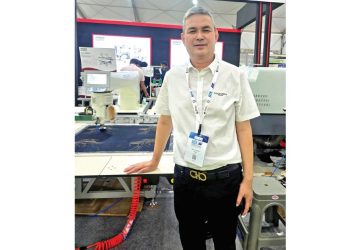
 ASHWAR SADH Director, KK Fashion Exports, a Noida-based manufacturer and exporter of scarves and garments, with an established export presence since 2003. The company specialises in supporting brands, boutiques and emerging fashion labels with smallbatch manufacturing solutions tailored to their individual requirements. Under his leadership, the company serves as a manufacturing partner for established brands as well as new labels looking to develop and expand their product offerings.