 1. How digital textile printing is changing production scale and consistency in India
Digital textile printing is driving a structural shift in how textile production is planned and executed in India. Traditionally, manufacturing was built around long production runs and standardised designs using analogue processes. However, as market demand moves towards shorter cycles, faster design refresh, and greater customisation, digital technology is enabling manufacturers to respond with far greater flexibility and speed without compromising productivity.
Equally important is the consistency that digital printing delivers. Advanced colour management and precision inkjet technology enable reliable, repeatable output across batches, which is critical for brands and export customers who require uniform quality. As a result, manufacturers across India are increasingly integrating digital printing alongside conventional production to create more agile, responsive, and quality-driven manufacturing environments.
Digital textile printing also supports more responsible production practices. Compared to traditional processes, it can significantly reduce water consumption, minimise chemical usage, and lower material wastage, while enabling on-demand production that helps reduce excess inventory. This combination of efficiency and sustainability is becoming increasingly important for manufacturers serving global markets.
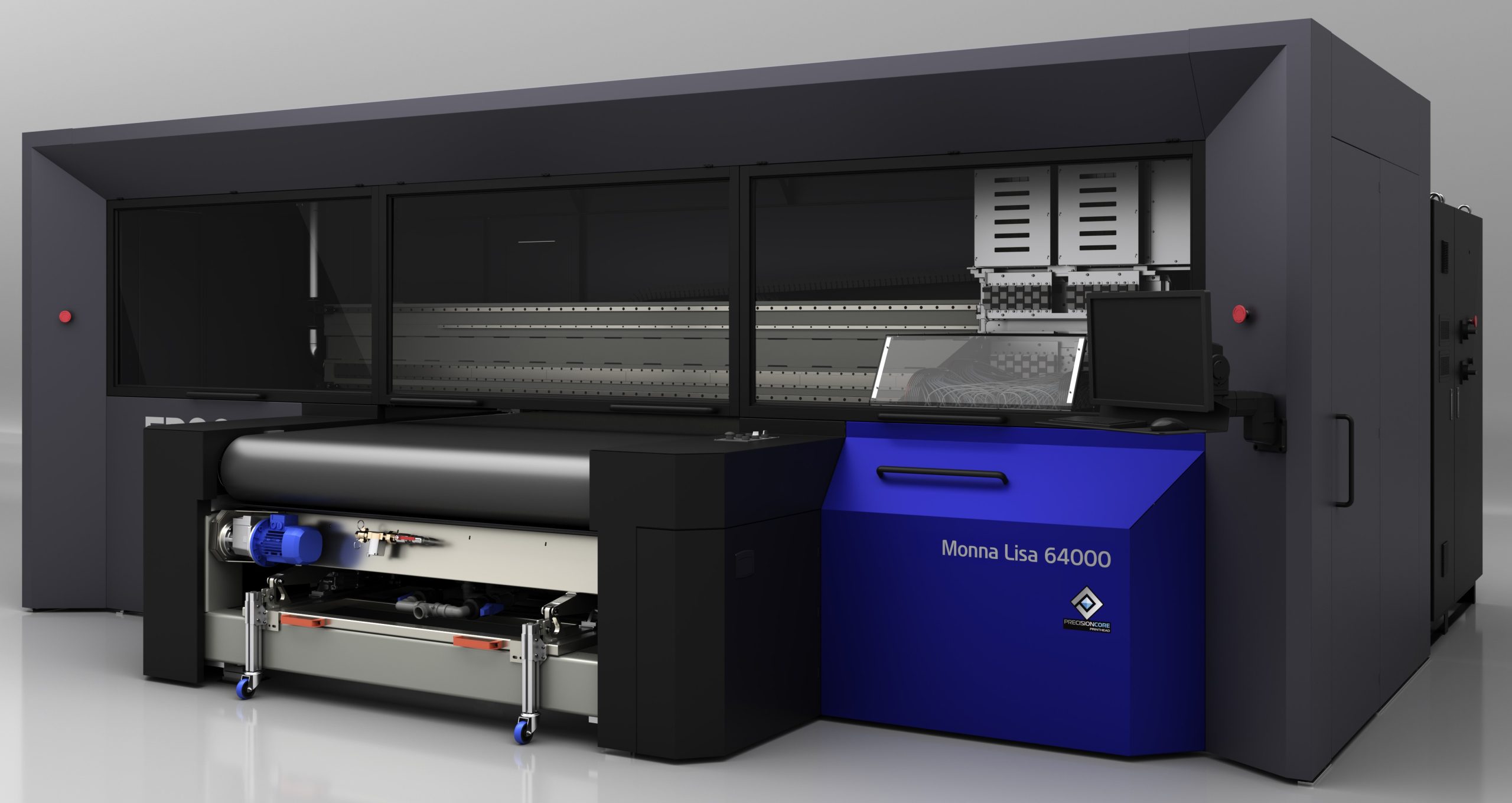
In this transition, high-performance industrial solutions such as Epson’s Monna Lisa digital textile printers are playing an important role. Designed for industrial-scale production, Monna Lisa combines precision, colour stability, and application versatility, enabling manufacturers to achieve consistent quality, improved operational efficiency, and more sustainable production aligned with evolving industry and market expectations.
2. Looking ahead, how do you see digital textile printing shaping India’s position in the global textile and home décor supply chain over the next few years?
Looking ahead, digital textile printing is expected to play a critical role in strengthening India’s position in the global textile and home décor supply chain. As international buyers increasingly prioritise speed, design flexibility, consistent quality, and responsible production practices, digital technology enables Indian manufacturers to align more closely with these evolving expectations.
Digital textile printing supports on-demand and shorter-run production, allowing manufacturers to respond quickly to changing trends while reducing inventory risk. It also enables consistent colour quality and repeatability, which are essential for global brands managing multi-region sourcing. In parallel, the sustainability benefits of digital printing, including lower water usage, reduced waste, and more efficient resource consumption, are becoming increasingly important in global sourcing decisions.
Our customers are telling us that they are winning orders based on the fact that they are using Epson’s Monna Lisa printers. Buyers are familiar with the brand and are able to immediately rest assured with the quality they are guaranteed and the manufacturing methods used. Over the next few years, wider adoption of industrial digital textile printing solutions will help Indian manufacturers move towards more agile, export-ready production models. This shift is likely to enhance India’s reputation as a reliable, responsive, and quality-focused sourcing destination for textiles and home décor, particularly in segments where speed, customisation, and sustainability are key differentiators.
3. What role does end-to-end support and application know-how play in ensuring successful technology adoption for textile manufacturers?
 Successful adoption of digital textile printing goes well beyond installing new equipment. As manufacturers transition from analogue to digital production, application know-how, colour science, workflow integration, and process optimisation become critical to achieving stable, high-quality, and scalable output. Every fabric type, ink set, and application require careful calibration, and structured technical guidance plays a key role in ensuring consistent and predictable production.
End-to-end support helps manufacturers integrate digital printing smoothly into their existing production environment, optimise processes, and minimise downtime. This includes training, application development, colour management, and ongoing service support, all of which contribute to improving productivity and maintaining output reliability over time. This is exactly what Epson does.
For industrial digital textile printers such as Epson’s Monna Lisa, which are designed for high-performance production, strong application and technical support are particularly important to help customers fully utilise the printers capabilities. With the right support ecosystem in place, as provided by brands like Epson, manufacturers are able to accelerate adoption, maintain consistent quality, and realise the full operational and business value of digital textile printing.
4. What challenges do Indian textile manufacturers face when transitioning from conventional to digital printing technologies, and how can they overcome them?
The transition from conventional to digital textile printing involves technological and operational changes, not challenges. Manufacturers need to adapt from analogue production methods, which are optimised for long, standardised runs, to digital workflows that enables require greater flexibility, colour management precision, and process control. Initial learning curves around application optimisation, digital colour consistency, and workforce familiarisation with new systems need to be considered during the early stages of adoption.
In addition, manufacturers often need to rethink production planning, fabric preparation, and workflow integration to fully benefit from digital capabilities such as shorter runs, faster design changes, and on-demand production. Managing this transition while maintaining ongoing production stability can be a key consideration.
These changes can be effectively addressed through a phased and well-supported approach. Structured training, strong technical and application support, and gradual integration of digital alongside existing conventional processes help build confidence and operational stability. Many manufacturers are successfully adopting hybrid production models, where digital complements conventional printing, enabling smoother transition, improved flexibility, reduced waste, and enhanced production efficiency over time.
5. How do you see digital textile printing influencing sustainability, efficiency, and turnaround times in India’s textile export ecosystem?
Digital textile printing is playing an increasingly important role in helping India’s textile export ecosystem move towards more efficient and responsible production. Compared to conventional processes, digital printing can significantly reduce water consumption, minimise chemical usage, and lower material wastage. In addition, the ability to produce on demand helps reduce excess inventory and overproduction, which is becoming increasingly important in a demand-driven global market.
From an operational standpoint, Epson’s digital textile printers improve efficiency by simplifying workflows and reducing multiple intermediate steps typically involved in traditional printing. Faster design changes and quicker job changeovers enable manufacturers to significantly shorten production cycles and improve turnaround times, which is critical for export markets where speed and responsiveness are key.
With growing emphasis on sustainability, traceability, and supply chain agility across global markets, Epson’s digital textile printers are helping Indian manufacturers better meet these changing requirements. By bringing together efficiency, consistency, and more sustainable production, digital technology is enhancing the competitiveness and responsiveness of India’s textile export ecosystem.