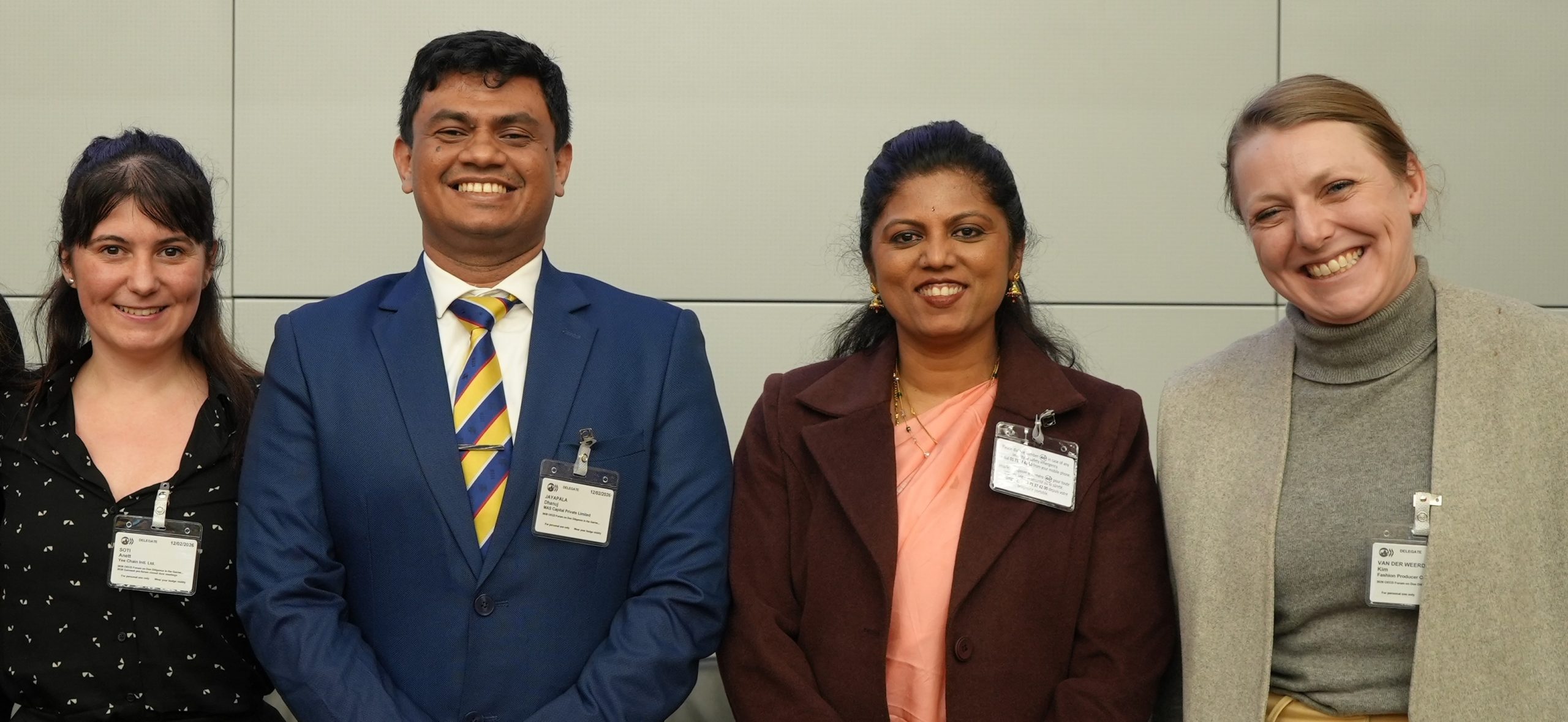
Fashion Producer Collective, Shahi Exports, and MAS Holdings, actively advocated for voices of manufacturers to be heard in creating a collaborative due diligence framework, as they co-hosted a side session on the topic at the recently held OECD Forum on Due Diligence in the Garment and Footwear Sector at the OECD Conference Centre in Paris.
In a session moderated by Kim van der Weerd, Co-Founder & CEO, Fashion Producer Collective, the panellists included a host of industry specialists ranging from: Anett Sóti, Fashion Producer Collective; formerly Yee Chain Intl. Footwear Textile Manufacturer, Chitra Prasad, Head of Social Sustainability at Shahi Exports and Dhanujie Jayapala, General Manager of Environmental Sustainability at MAS Holdings.
The panel focused on how manufacturers can move beyond compliance and play a more active role in creating collaborative, trust-based approaches to due diligence across global apparel supply chains. The participants examined how emerging regulatory frameworks, including the EU Corporate Sustainability Due Diligence Directive (CSDDD), are reshaping investment decisions, partnerships, and accountability models within the industry.
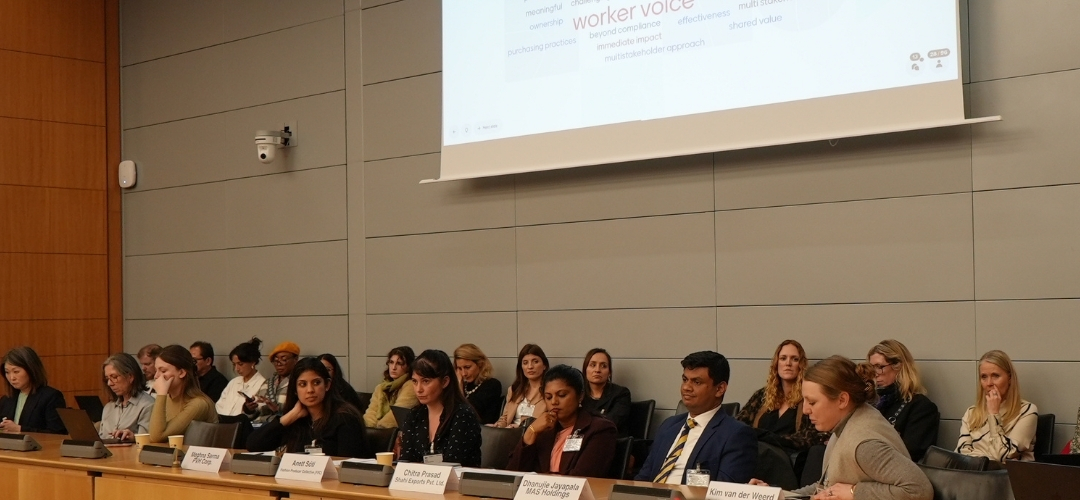 The discussion highlighted the challenges in navigating between compliance-driven due diligence requirements and the need for partnered-approaches that empower manufacturers to act as active problem-solvers rather than passive recipients of audits and mandates.
During the session, panellists spoke of the challenges of operating in a transition period, where the lack of clarity from regulators creates barriers for suppliers to understand what expectations mean in practice. Challenges also lie in the “intersection” of different requirements, where overlapping frameworks exist, as well as the friction caused from the shift from voluntary guidance to legal requirements that suppliers are expected to comply with.
The conversation also highlighted that strengthening and scaling effective grievance mechanisms should be a top priority in due diligence, as it is one of the most practical ways to support worker wellbeing and build shared impact across the value chain.
The panellists shared that the next phase of due diligence must move beyond a reporting exercise to an impact exercise, grounded in trust across the whole ecosystem, including suppliers, brands and worker representatives. They emphasised that progress will come from continued collaboration and harmonisation, recognising credible manufacturer systems and reducing duplication, while using responsible transparency, traceability and digitised insights to prevent risks and better respond to workers’ needs at the factory level.
The session concluded with an interactive audience discussion on how due diligence frameworks could be redesigned to better support shared accountability, long-term investment, and manufacturer-led innovation. When asked what they would change in their sphere of influence, the audience called out for lowering of audit burdens, creating more worker inclusion, and reducing hierarchical relationships between brands and manufacturers.
The organisations’ initiative in co-hosting this dialogue reinforces their commitment to advancing collaborative, systems-level solutions to sustainability challenges in the global apparel industry.