
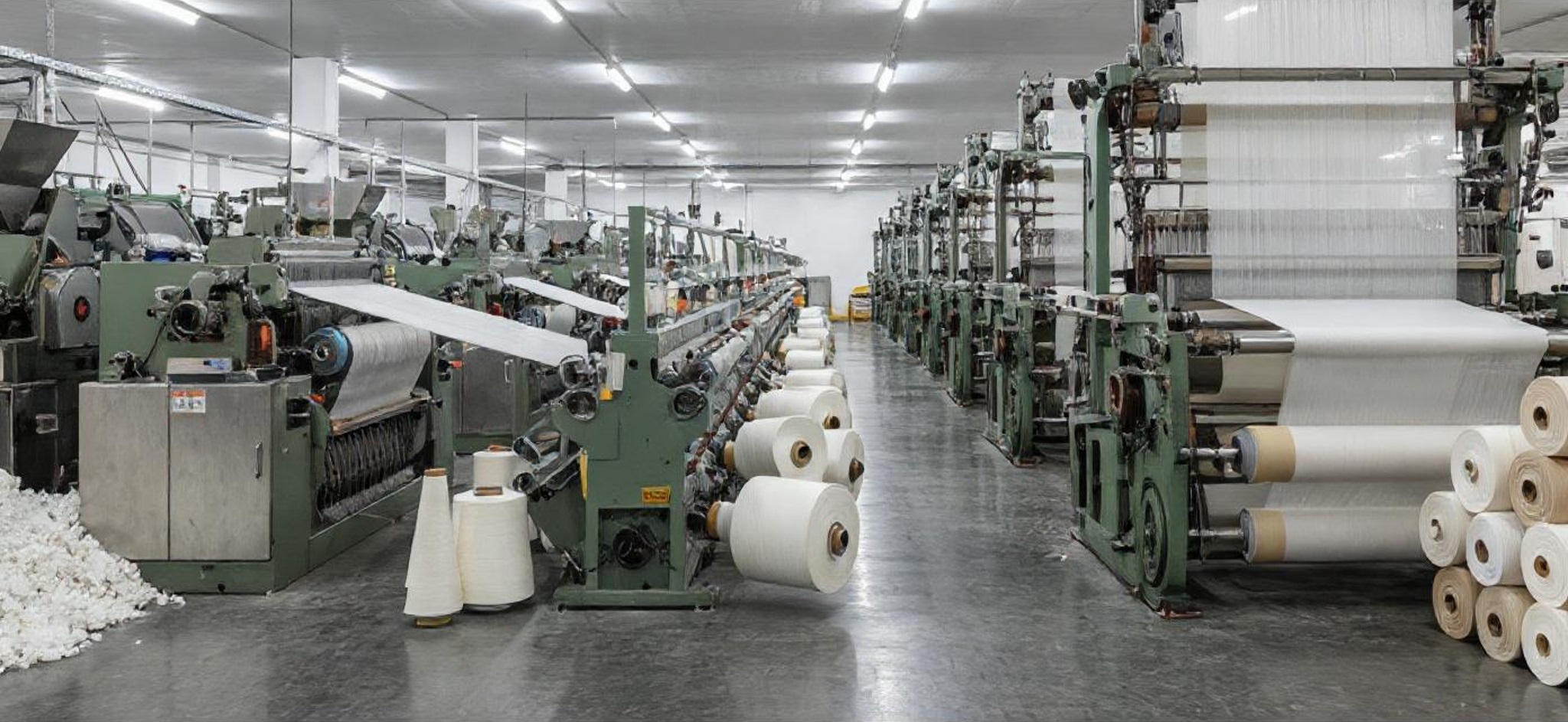
Gujarat textile industry is facing the threat of an early Diwali shutdown as yarn prices have risen by 40% to 45% since June, while demand for finished fabrics remains weak. Surat, one of India’s major textile manufacturing hubs, is seeing growing pressure on weaving units as higher raw material costs, unsold inventory and delayed payments squeeze businesses ahead of the festive season. Industry representatives warn that some factories may shut their looms around 15 days earlier than usual.
Yarn is a key raw material for Surat’s weaving industry, which produces fabric for domestic and export markets. The sharp increase in prices has raised production expenses, but manufacturers have struggled to increase fabric prices at the same pace.
This gap between input costs and selling prices is putting pressure on already thin profit margins. According to industry representatives, several small weaving units have started reducing production and observing weekly holidays to limit losses. If conditions do not improve, some factories could remain closed for a month or longer during the Diwali period.
The Gujarat textile industry is facing a double challenge: yarn is becoming more expensive, while grey fabric and finished textiles are not generating sufficient returns. As unsold stocks accumulate, payments from buyers are getting delayed, leaving manufacturers with less working capital to pay suppliers, workers and other operating expenses. The situation is particularly difficult for smaller units that have limited financial reserves to absorb prolonged losses. An extended shutdown could also affect workers, traders, transport operators and other businesses linked to Surat’s textile supply chain.
Textile industry representatives have urged the government to monitor yarn prices and address what they describe as artificial price increases by spinners. They have also called for domestic weavers to receive yarn at internationally competitive free-on-board (FOB) rates, which refer to pricing arrangements for goods supplied for export. Industry leaders believe that more competitive raw material prices could reduce production costs and help manufacturers restore normal operations.