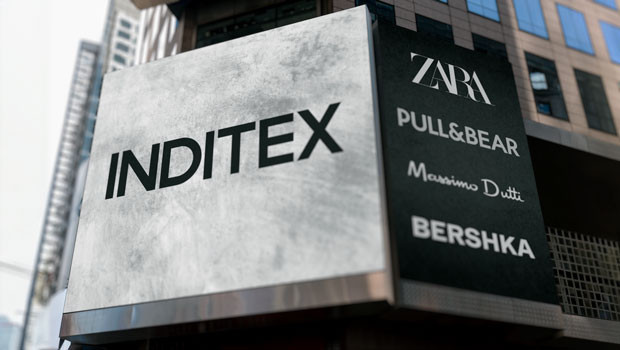
 Inditex is launching a fund to invest in the textile supply chain. The Spanish company has partnered with the World Bank Group to create D-Tafs, which will invest up to $400 million in long-term financing for textile, apparel, and footwear manufacturers in emerging markets. The fund will finance projects focused on energy efficiency, renewable energy, water conservation, and the reduction of industrial pollution.
The new fund, which will be managed by the investment firm Sima, will receive a $50 million contribution from Inditex, while the International Finance Corporation (IFC), part of the World Bank Group, will invest an additional $60 million.
According to the institutions, D-Tafs will offer debt financing on preferential terms, tailored to the needs of suppliers in developing countries, primarily in Asia, the Middle East, North Africa, and Latin America.
Furthermore, the fund is structured into two sub-funds: one will provide loans directly to textile and apparel manufacturers, and the other will finance energy service companies, as well as energy developers and distributors that work with these suppliers.
“The transformation of the textile supply chain requires the industry to work together and for manufacturers to have access to both the technical expertise and the financing needed to make these investments,” said Óscar García Maceiras, CEO of Inditex.
The fund’s first close is expected to be at $225 million, and future funding rounds are planned to bring in more investors, with the goal of reaching $400 million.
“This new fund brings together leading brands, investors, and suppliers around a common goal: to mobilize capital to improve productivity, energy efficiency, and operational resilience, and to help preserve quality jobs,” said Sarvesh Suri, IFC’s regional vice president for Asia and the Pacific.
The initiative has also received participation from other international institutions such as FMO from the Netherlands; Proparco from France; British International Investment from the United Kingdom; and the Global Environment Facility and the Apparel Impact Institute, both from the United States.
Among the fund’s main initiatives is its planned contribution to reducing greenhouse gas emissions, improving energy and water efficiency, and decreasing the environmental impact of the textile industry, through proposals such as the installation of renewable energy systems, the replacement or modernization of machinery, upgrading boilers and other equipment, optimizing processes, reusing water, and treating wastewater. In addition, D-Tafs will also support initiatives to improve the management of chemicals used in textile production.
To apply for funding, each company must submit a plan that identifies its infrastructure needs—from its factories to its planned investments and environmental goals. The plan will then be evaluated for feasibility, and indicators will be established to measure the progress and results of the investments.
To ensure the fund’s effectiveness, a quarterly accountability process will be conducted to report on and analyze the environmental results achieved through the funded measures, specifically measuring the reduction in emissions achieved.