In this article we share some thoughts about how the design software development supports different sectors of the industry.
The embroidery industry has various areas
Export and domestic embroidery
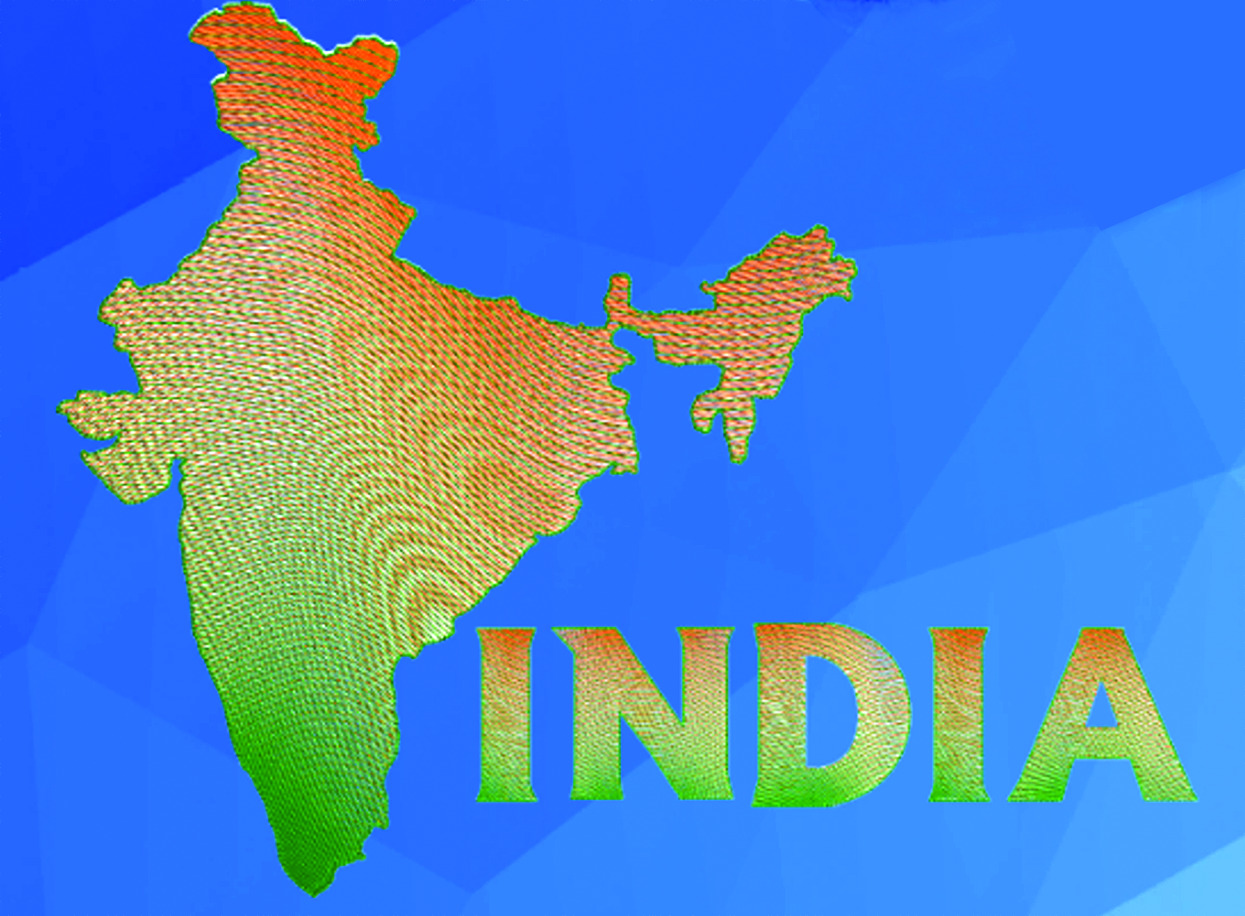
Thirty years ago, the industry was dominated by exporters who sold decorated garments to OECD countries. Domestic manufacturing was relatively small and traditional garments were mostly created by the cottage industry. Today, it is quite the opposite, domestic production dominates the industry while the export quantities of embroidered garment are relatively less significant. The industry is mostly focused on the domestic market, and this relates to embroidery machines imported with special functionalities. India is the largest importer of specialised embroidery machines and therefore use of specialised techniques is the highest here.
Logo embroidery and traditional fashion garments
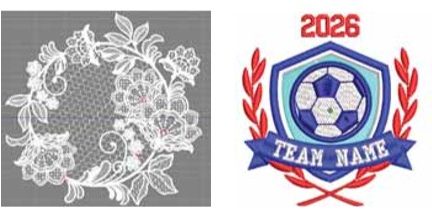 In the OECD countries embroidery is focused on the Logo business, uniforms for military, police, security agencies, also corporate identification, schools, clubs, using embroidery on their uniforms. Another group is “corporate and fashion branding”, famous and popular brands of sportswear, leisurewear. Here “value addition” is the key profit factor, a plain, T-shirt will sell at a fraction of the price of a branded T-shirt that has a piece of embroidery that may cost less than a dollar to produce. Another very profitable niche market is the “haute couture”, where individual dresses are created by design houses. A growing area is the “traditional, folkloristic, tribal” dresses. Embroidery decoration has been created by hand for hundreds of years by the local cottage industries. With urbanisation and fastgrowing middle class, the cottage industry can no longer satisfy the demands, and the embroidery machine industry brought this area into mass production. The Indian seasonal traditions, like the “wedding season” create a predictable design and production cycle with demand for decorated dresses.
In India, being the most populous country in the world, the uniform sector has strong demand for logo embroidery, also, leisurewear is a fast-growing sector that requires simple embroidery machines but efficient design systems for high quality embroidery lettering and monograms as well as special effects used in artistic emblems.
 Contract Designers vs in-house designing
Today there are millions small embroidery operators with a single machine and very little embroidery training. They mostly use contract designers; India has many of these companies. These design companies require high level design capabilities that can support any of the industry segments and design types efficiently.
Hobby users
A fast-growing area is the embroidery hobby market. Here efficiency is not critical but artistic expression is and simple easy operation that does not require a yearlong course to operate the software and the machine.
Embroidery Software developers like Wilcom, need to cater for demands from all parts of the world. For example, Wilcom has over three hundred thousand customers in 192 countries who continuously satisfy requests in every sector. One way of fulfilling the frequently raised demands is annual software releases.
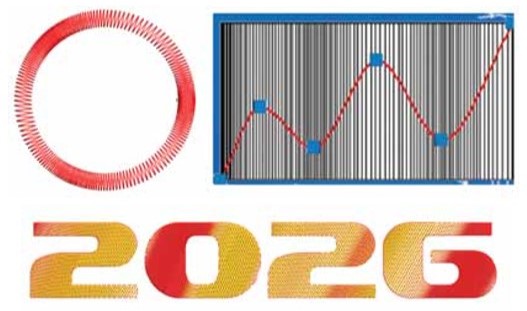
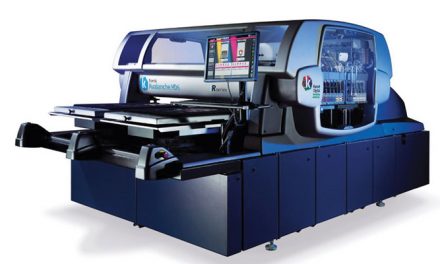
In the last three years Wilcom released a major new version every year. The latest EmbroideryStudio 2026 shown at the GTE 2026 Delhi, includes several new features and improvements. Here we can talk about one feature that addresses an issue where embroidery and printing are quite different: color shading, i.e. how we can express a grading of colors with embroidery stitches? With the new Multi Blend feature a much more artistic shading can be producted. The designer can continuously change the stitch density in the individual objects. Visitors can see the latest features at the GTE.