 The global Digital Textile Printing Market is experiencing transformational growth as fashion, home décor, and technical textile manufacturers shift toward sustainable, high speed, and customizable printing solutions. According to the latest Polaris Market Research report, the industry is projected to grow from USD 6.35 billion in 2025 to USD 18.22 billion by 2034, representing a robust CAGR of 12.4% during the forecast period.
Strategic shift in textile printing: Why digital is the future
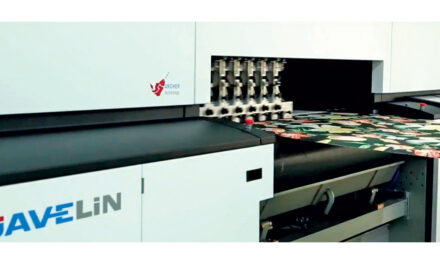
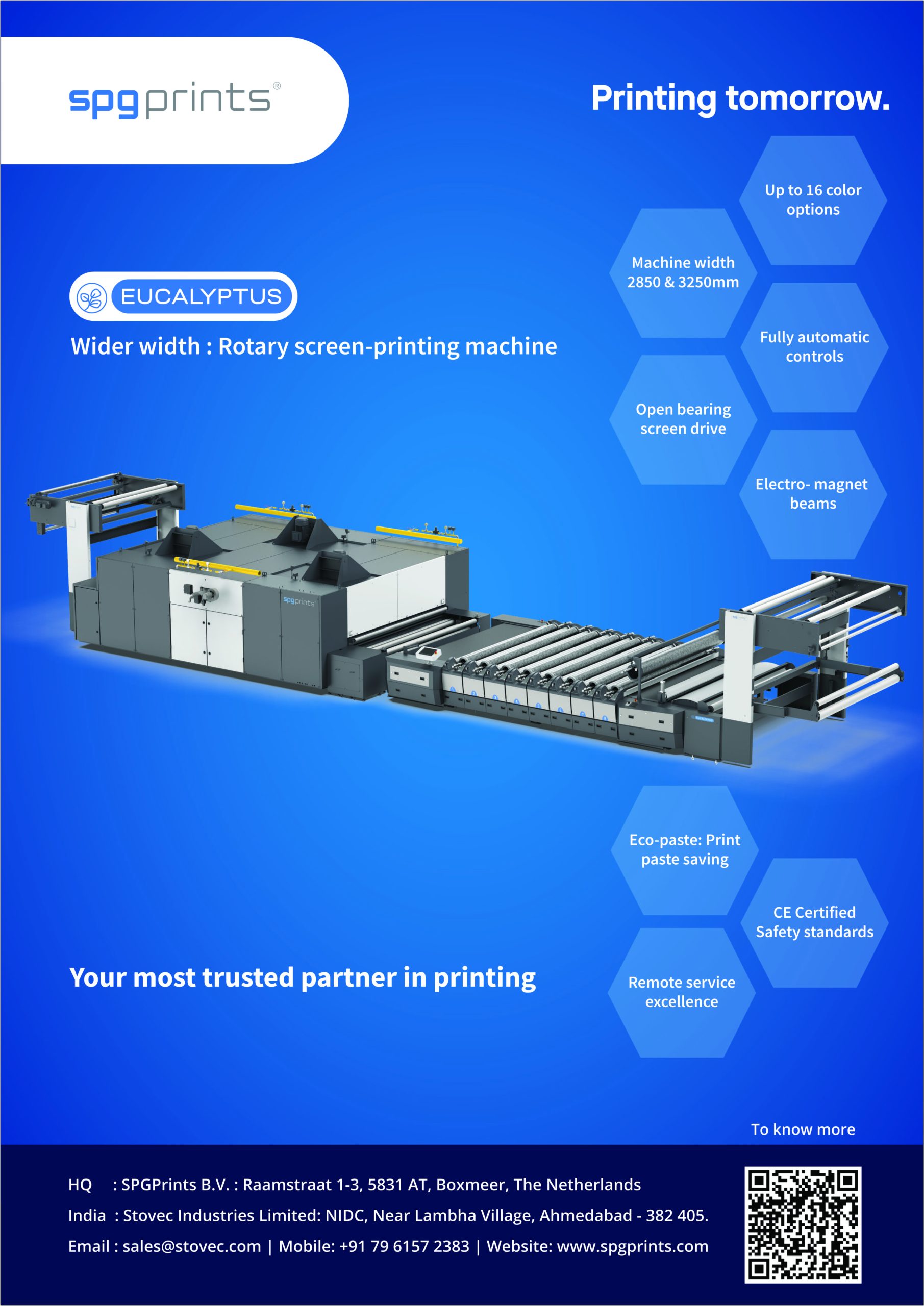
Digital textile printing refers to the advanced process of applying colorants directly onto fabrics using state of the art digital inkjet technology, offering unparalleled design precision, shorter production cycles, and environmentally responsible workflows compared to conventional screen and rotary printing techniques. This cutting edge methodology empowers manufacturers and brands to print intricate, multicolor designs on demand – with minimal setup cost and vastly improved sustainability profiles.
As digital commerce, fast fashion, and bespoke textile offerings continue to dominate the marketplace, the Digital Textile Printing Market is emerging as an indispensable cornerstone of modern textile production, enabling brands to respond to consumer demands for personalization, sustainability, and speed.
Sustainability & cost efficiency propel adoption
One of the most compelling drivers of digital textile printing adoption is its environmental advantage. Unlike traditional printing methods that consume large volumes of water and generate significant chemical waste, digital printing dramatically reduces water usage and harmful effluents – aligning with global sustainability goals and brand commitments to eco friendly production.
As global textile manufacturers face mounting pressure to reduce their environmental footprint, digital textile printing is rapidly becoming the strategy of choice. Its ability to produce low waste, short run garments and décor without compromising quality is transforming supply chains and improving operational efficiencies across the value chain.
Market dynamics & key growth drivers
1. On demand production & customization
Digital textile printing enables brands to produce on demand batches with customized patterns and limited editions – a capability highly valued in the age of direct to consumer (DTC) retail. As fashion cycles shorten and consumer preferences diversify, the ability to offer bespoke textiles without inventory backlog gives companies a strategic edge.
2. Technological advancements
Recent innovations in printer hardware, ink chemistries, and design software have significantly enhanced production speed, resolution, and substrate compatibility. These technological strides make digital printing more efficient and economically viable, encouraging accelerated industry adoption.
3. Eco friendly ink systems
Market segmentation by ink type reveals that sublimation inks accounted for the largest share in 2024 due to their compatibility with polyester textiles and excellent color performance. These sustainable ink systems help reduce waste and improve wash durability, driving broader acceptance across textile sectors.
Segmentation insights: process, ink & end use
According to the Digital Textile Printing Market Report, the industry is segmented across several key dimensions, including:
• Printing Process: Direct to Garment (D2G), Dye Sublimation, Direct to Fabric
• Ink Type: Sublimation, Reactive, Acid, Direct Disperse, Pigment
• Substrate: Digital Cotton, Silk, Rayon, Linen, Polyester, and others
• End Use: Clothing, Households, Displays, Technical Textiles
The dominance of sublimation ink reflects the strong demand for polyester products in apparel, sportswear, and home textiles, where vibrant colors and enhanced durability are critical. Meanwhile, the proliferation of Dye Sublimation printing is enabling brands to produce wrinkle resistant, lightweight fabrics with complex designs – essential in today’s competitive textile landscape.
Regional forecast
Geographically, North America led the Digital Textile Printing Market in revenue share in 2024, driven by advanced manufacturing infrastructure, large fashion brands, and high consumer demand for quality, customized textile products. The region’s mature e commerce ecosystem further propels digital printing adoption by enabling smaller batch runs and flexible production schedules.
However, the Asia Pacific region is projected to witness the fastest growth through 2034, buoyed by expanding textile manufacturing capacity, increasing investments in automation, and growing demand for high quality fashion exports. Countries like China, India, and Bangladesh are increasingly investing in digital textile printing technologies to serve both domestic and global markets.
Competitive landscape & innovation agenda
The competitive environment in the digital textile printing market is vibrant and rapidly evolving. Industry leaders such as Durst, Epson, Kornit Digital, and Brother Industries continue to innovate with advanced hardware systems, integrated ink solutions, and software platforms that streamline workflow and improve color fidelity.
Emerging players are also gaining traction by offering cost effective, scalable solutions tailored to small and medium enterprises (SMEs), expanding the addressable market beyond large manufacturers. Strategic collaborations, end to end workflow solutions, and investments in single pass printing technologies are shaping the future competitive landscape.
Looking ahead: Expansion & market potential
The Digital Textile Printing Market is poised for sustained growth as brands, converters, and textile producers embrace digital processes that offer sustainable, agile, and cost effective production. With rapid advancements in ink chemistry, machine efficiency, and digital design capabilities, the market is well positioned to reshape global textile manufacturing.
In conclusion, the surge toward digital textile printing represents not merely a shift in technology but a strategic transformation – enabling textile manufacturers to meet the rising demands for customization, sustainability, and speed. As investment accelerates and technology continues to advance, the digital textile printing market is set to redefine industry norms and unlock significant competitive advantages across the global textile value chain
(By Polaris Market Research and Consulting)