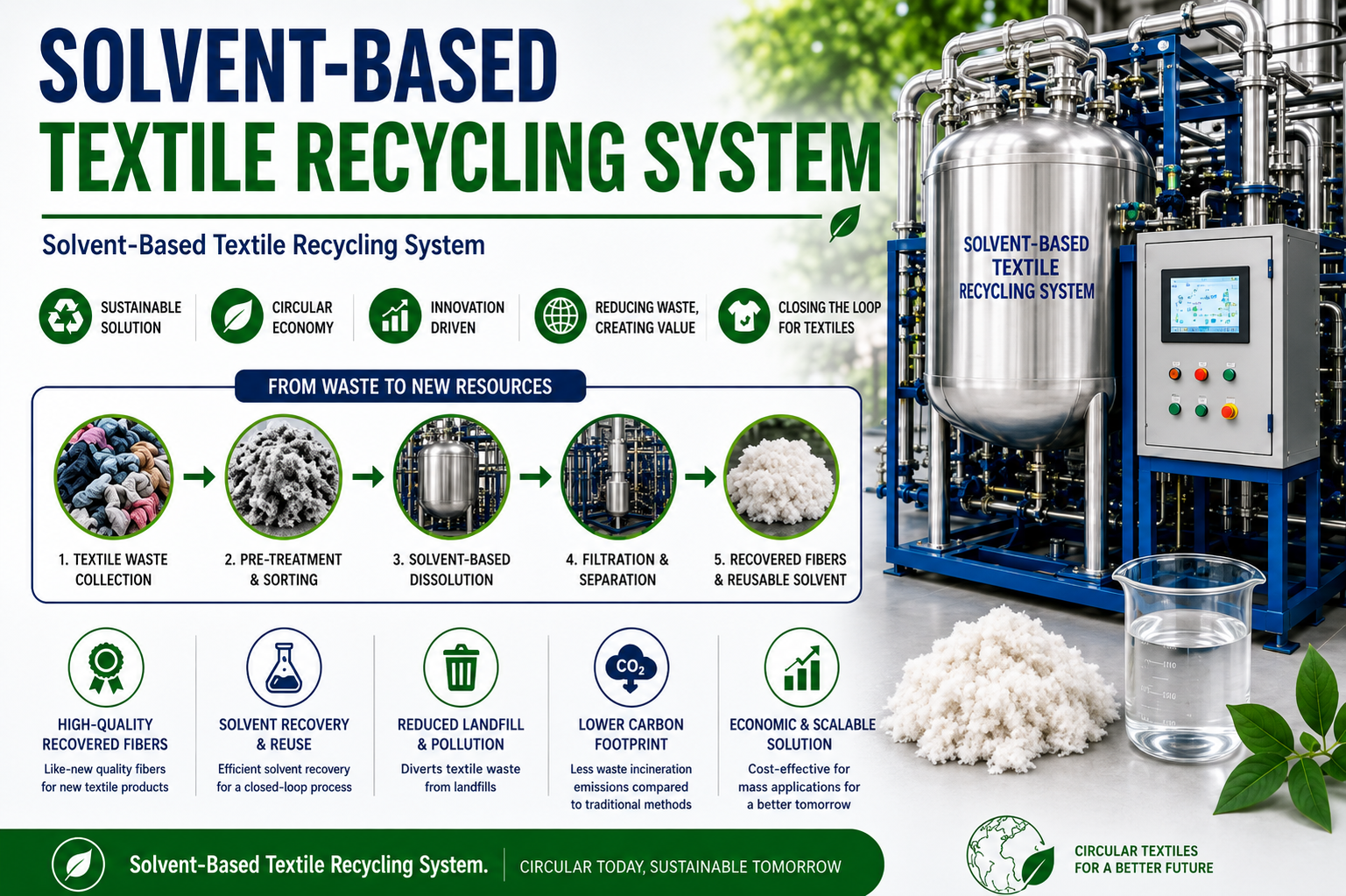
According to our Growth Market Report, the global solvent-based textile recycling system market size reached USD 1.40 billion in 2025, reflecting robust momentum driven by sustainability initiatives and rapid advancements in recycling technologies. The market is anticipated to grow at a CAGR of 9.7% from 2026 to 2034, with the forecasted market size expected to reach USD 3.25 billion by 2034. This strong growth trajectory is primarily fueled by increasing regulatory pressures, rising consumer demand for sustainable textiles, and significant investments in circular economy practices across the textile value chain. As part of the broader expansion of chemical-based textile recycling, solvent-based systems are emerging as a preferred solution for brands seeking fiber quality that mechanical methods cannot deliver.
Introduction: The New Era of Circular Fashion
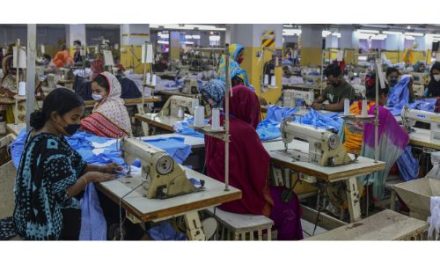
India is one of the world’s largest textile producers, supplying fabrics, garments, and fashion products to domestic and international markets. However, alongside this growth comes a significant challenge-textile waste. Every year, millions of tons of discarded clothing, production scraps, and unsold inventory end up in landfills or are incinerated, creating environmental concerns. As sustainability becomes a priority for governments, manufacturers, and consumers, the Solvent-Based Textile Recycling System Market is emerging as a breakthrough solution capable of reshaping the future of textile waste management.
Unlike conventional recycling methods that often degrade fiber quality, solventbased recycling systems recover high-quality fibers from used textiles, enabling the creation of new fabrics with minimal loss of performance. This technological advancement is gaining attention worldwide and is expected to play a critical role in India’s transition toward a circular textile economy.
What is a Solvent-Based Textile Recycling System?
A solvent-based textile recycling system is an advanced recycling technology that uses specially formulated solvents to dissolve specific textile fibers and separate them from blended fabrics. Once the fibers are dissolved, contaminants such as dyes, finishes, and mixed materials can be removed. The purified fibers are then regenerated into new textile-grade materials.
This process differs significantly from traditional mechanical recycling, where fibers are physically shredded and often become shorter and weaker. Solventbased systems preserve fiber quality, making them highly attractive for producing premium recycled textiles.
Why the Textile Industry Needs Advanced Recycling
The global fashion and textile industry generates enormous waste. Traditional recycling methods face limitations when dealing with blended fabrics such as polyester-cotton combinations, which are commonly used in apparel manufacturing.
Several factors are driving the demand for solvent-based textile recycling:
• Rising environmental regulations
• Growing consumer preference for sustainable fashion
• Increasing landfill restrictions
• Corporate sustainability commitments
• Demand for recycled raw materials
For India, where textile manufacturing contributes significantly to exports and employment, advanced recycling technologies offer an opportunity to reduce environmental impact while creating economic value.
How Solvent-Based Recycling Works
Collection and Sorting: The process begins with the collection of post-consumer garments, industrial textile waste, and manufacturing scraps. Materials are sorted based on fiber composition to improve recycling efficiency.
Fiber Dissolution: Selected solvents are introduced to dissolve target fibers. Advanced systems can separate polyester, cotton, cellulose-based fibers, and other textile components from blended fabrics.
Purification Process: Impurities such as dyes, coatings, chemicals, and contaminants are removed. This stage ensures that regenerated fibers meet industry quality standards.
Fiber Regeneration: The purified polymer or cellulose solution is transformed back into fibers suitable for spinning, weaving, and garment production.
Manufacturing New Products: The regenerated fibers are converted into new textiles, reducing dependence on virgin raw materials and supporting circular manufacturing.
Key Market Drivers Accelerating Growth
Sustainability Goals Across Industries: Global brands are increasingly adopting sustainability targets that require greater use of recycled materials. Solvent-based recycling helps companies achieve these goals while maintaining product quality.
Growing Awareness Among Consumers: Modern consumers are becoming more conscious of the environmental footprint of their clothing purchases. This awareness is encouraging brands to invest in recycling technologies that support sustainable fashion.
Technological Innovation: Research institutions and recycling companies are continuously developing more efficient solvents, reducing energy consumption and improving recovery rates. These innovations are making solvent-based systems more commercially viable.
Government Support for Circular Economy: Countries around the world are implementing policies that encourage recycling and waste reduction. India’s focus on sustainable manufacturing and resource efficiency could further support the adoption of advanced textile recycling technologies.
India’s Opportunity in the Solvent-Based Textile Recycling Market
India possesses several advantages that position it as a future leader in textile recycling:
Strong Textile Manufacturing Base: India has one of the world’s largest textile ecosystems, spanning fiber production, spinning, weaving, dyeing, and garment manufacturing. This integrated supply chain provides an ideal foundation for recycling infrastructure.
Abundant Textile Waste Streams: Large-scale production generates substantial textile waste that can serve as feedstock for recycling facilities.
Expanding Sustainable Fashion Segment: Indian fashion brands are increasingly incorporating sustainability into their business strategies. Recycled fibers can help meet growing demand for eco-friendly products.
Export Market Potential: Global buyers are seeking suppliers that can demonstrate sustainability credentials. Solvent-based recycled textiles may enhance India’s competitiveness in international markets.
Emerging Technologies Shaping the Market
Artificial Intelligence for Textile Sorting: AI-powered systems can identify fabric compositions with remarkable accuracy, improving sorting efficiency and reducing contamination in recycling streams.
Digital Product Passports: Future garments may include digital records detailing material composition, making recycling easier and more effective.
Smart Solvent Recovery Systems: Advanced solvent recovery technologies reduce operational costs and environmental impact by reusing solvents multiple times.
Automated Recycling Facilities: Automation is helping increase processing capacity while maintaining consistent fiber quality.
Challenges Facing the Industry
High Initial Investment: Building solvent-based recycling facilities requires substantial capital investment in specialized equipment and infrastructure.
Complex Fabric Blends: Modern garments often contain multiple fiber types, trims, and chemical finishes that complicate recycling processes.
Collection Infrastructure Gaps: Efficient textile recycling depends on organized collection systems, which remain underdeveloped in many regions.
Regulatory and Standardization Issues: Industry-wide standards for recycled fiber quality and recycling practices are still evolving.
The Role of Artificial Intelligence in Market Expansion
Artificial Intelligence is becoming a valuable tool throughout the recycling value chain. AI systems can analyze fabric composition, optimize solvent usage, predict maintenance needs, and improve production efficiency.
However, AI adoption also presents challenges. Smaller recycling companies may face barriers related to implementation costs, technical expertise, and workforce training. Despite these obstacles, AI is expected to become a major catalyst for industry growth.
Future Outlook: Towards a Circular Textile Economy
According to our Growth Market Report, The future of the solvent-based textile recycling system market appears highly promising. As environmental regulations tighten and sustainability expectations rise, demand for high-quality recycled fibers will continue to grow.
India is uniquely positioned to capitalize on this transformation. By investing in advanced recycling technologies, strengthening collection networks, and encouraging collaboration between industry stakeholders, the country can establish itself as a global hub for circular textile manufacturing.
The next decade may witness a shift from the traditional “make-use-dispose” model toward a regenerative textile ecosystem where garments are continuously recycled into new products. Solvent-based recycling systems will likely be at the center of this transition.
By Growth Market Reports