As industries across the country are facing mounting pressure due to fuel price hikes induced by the US-Iran conflict, a new report finds that Tamil Nadu’s textile sector can save between Rs. 1,560 crore and Rs. 3,250 crore annually by transitioning to clean energy. While the transition to 100% renewable electricity can save anywhere between Rs. 2,320 crore and Rs. 3,250 crore, a full transition that includes renewable electricity as well as clean heat (replacing wood/fossil-fuel based boilers with electric boilers running on renewables) can save between Rs. 1,560 crore and Rs. 2,720 crore, according to the report by Bengaluru-based think tank Climate Risk Horizons.
As biomass fuel is comparatively cheaper, replacing it with renewable energy leads to a marginal decrease in total estimated savings. The report largely uses data from the Annual Survey of Industries (ASI) from the last decade to understand the status and potential of decarbonisation in the state’s textile industry.
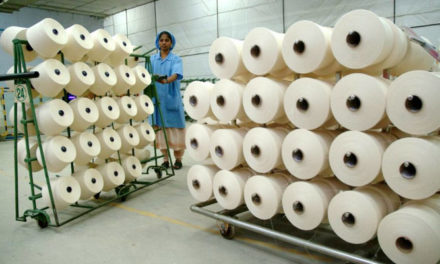
Tamil Nadu’s textile industry—which accounts for around a quarter of India’s textile production—is a key driver of the state’s economy and one of its largest employment generators. However, the report finds that the cost of production for textiles in Tamil Nadu is rising, largely due to fuel and energy expenses.
“Rising fuel costs are one of the reasons for the declining competitiveness of the state’s textiles, exports of which have plateaued since 2017 at approximately USD 7.4 billion. Our analysis finds that transitioning towards RE can save the industry billions, improving cost competitiveness and revitalising the sector,” said Rakesh Ranjan, co-author of the report.
In the last four years, the textile sector’s total energy expenditure in the state has nearly doubled and the fuel cost intensity has risen. Fuel cost intensity—the ratio of fuel costs to output—reflects energy efficiency and cost competitiveness. Higher intensity means rising energy costs and lower efficiency, while lower intensity indicates improved energy productivity.
India’s textile industry has the highest carbon footprint among major exporting countries, reaching over 12.5 kg CO₂e per kg of textile: 31% higher than Vietnam, 28% higher than Bangladesh, and 14% higher than China. With tightening sustainability-related regulations like CBAM and UN-backed Fashion Industry Charter for Climate Action, carbon emissions are increasingly scrutinised by global buyers.
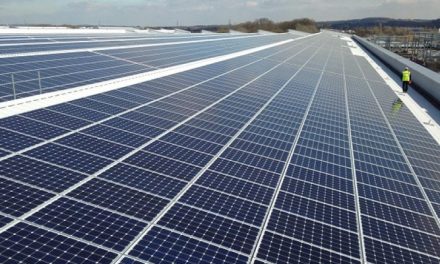
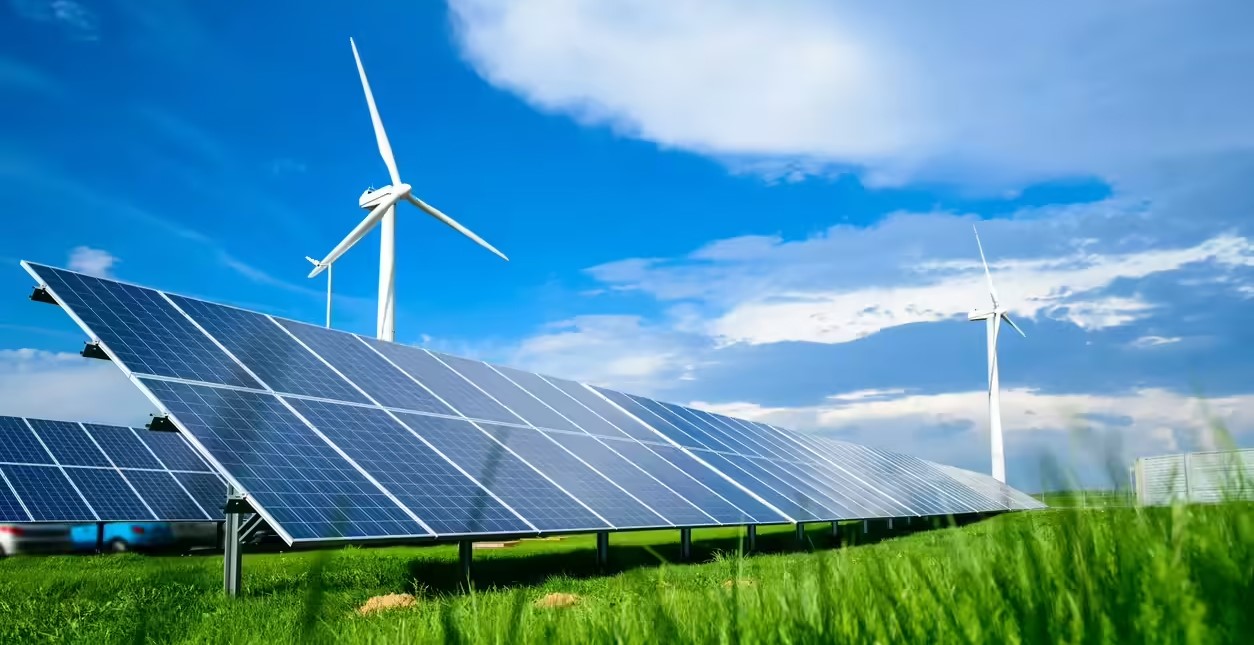
The report finds that savings from switching to renewable-powered electric heating can directly strengthen the sector’s cost competitiveness while also lowering emissions. The authors calculated potential savings from shifting to 100% RE-based grid electricity. By modelling three RE cost scenarios at Rs. 5/kWh, Rs. 5.5/kWh, and Rs. 6/kWh, they estimated the potential savings could be Rs. 3,250 crore, Rs. 2,790 crore, and Rs. 2,320 crore respectively. A broader shift to clean energy including both renewable electricity and clean heat can deliver savings up to Rs. 2,770 crore annually.
Textiles could be driving deforestation
The analysis also identified a correlation between the increased use of biomass (wood) in Tamil Nadu’s textile sector and a decline in dense forest areas in major textile producing districts between 2019-2023. Between 2019-2023, five districts recorded measurable reductions in very dense forests. The sector is estimated to have consumed the equivalent of 65-108 million trees over the past decade, underscoring the imperative of decarbonisation.
The way ahead
“Global brands sourcing from Tamil Nadu and other Indian states must enable large-scale electrification of heat-based processes, explicitly reject biomass as a climate solution, and use their influence to drive the policy and grid-level reforms needed to accelerate decarbonisation,” said Ashish Fernandes, Director of Climate Risk Horizons.
The analysis also suggests that state-level textile associations should explore joint renewable procurement mechanisms, advocate for policy support and concessional finance by convening brands, government bodies, suppliers, and financial institutions to deliver a state-level decarbonisation roadmap. The report recommends the state government and state electricity regulator facilitate greater RE deployment by industry, including MSMEs, to boost economic growth and employment.