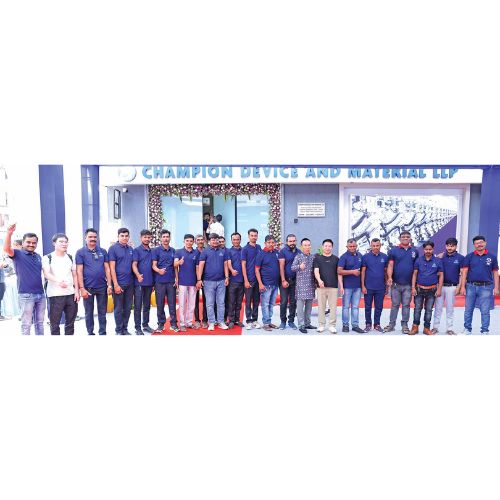
Champion India: Driving the Future of Embroidery Innovation in India
The embroidery industry has played a pivotal role in transforming India’s textile sector, and few cities have contributed to this growth as significantly as Surat. Over the past two decades, Surat has emerged as the country’s largest embroidery manufacturing hub, becoming synonymous with innovation, quality, and large-scale production. As the industry continues to embrace advanced automation and high-precision technology, the demand for reliable embroidery devices and accessories has reached unprecedented levels.
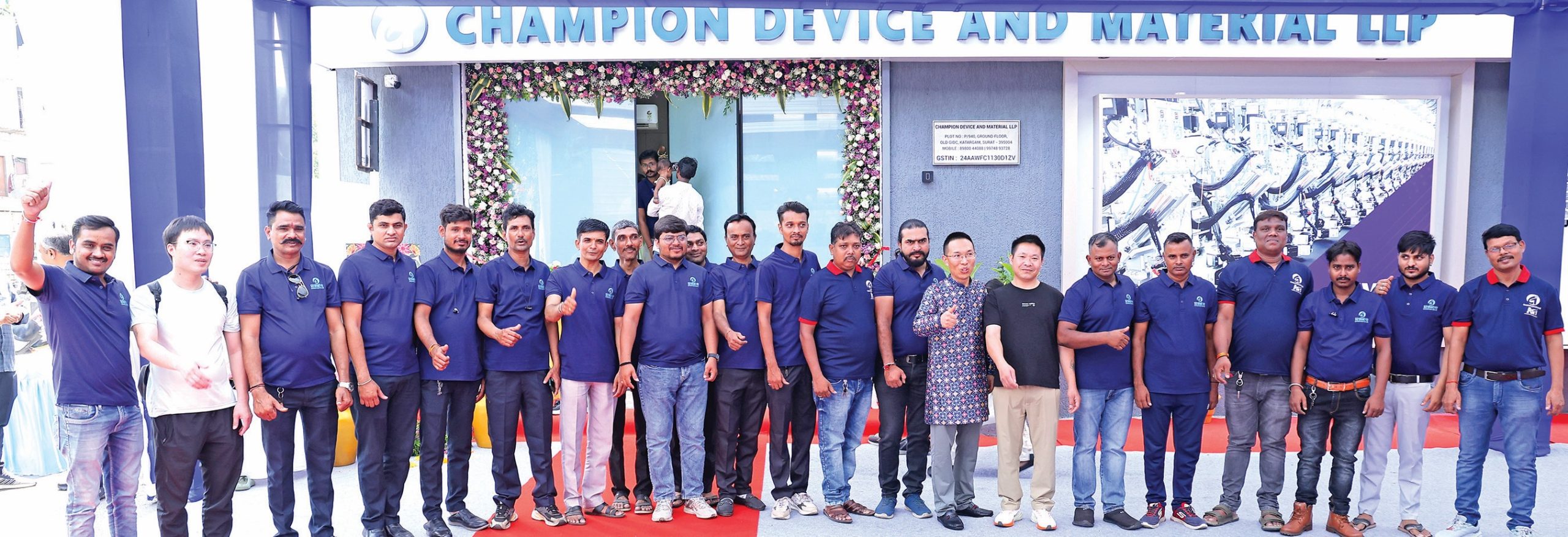
Standing at the forefront of this technological evolution is Champion, a globally recognized brand renowned for its innovative embroidery devices, superior engineering, and unwavering commitment to quality. Today, Champion’s journey in India enters an exciting new chapter with the establishment of Champion Device & Material LLP, a strategic venture dedicated to delivering world-class embroidery solutions and strengthening customer support across the country.
The Rise of Surat as India’s Embroidery Capital
The embroidery machinery market in Surat began gaining momentum around the year 2000, marking the beginning of a remarkable transformation in the city’s textile landscape. As computerized embroidery technology became more accessible, manufacturers rapidly adopted advanced machinery to improve productivity, enhance design capabilities, and meet growing domestic and international demand.
Between 2004 and 2008, the industry experienced unprecedented expansion. Demand for computerized embroidery machines increased dramatically, attracting numerous manufacturers and technology providers to the region. During this period, Surat firmly established itself as one of India’s largest embroidery manufacturing clusters, serving textile businesses across the nation and export markets worldwide.
Alongside the rapid growth of embroidery machines came an equally important demand for high-quality embroidery devices and accessories capable of producing intricate designs with greater speed, precision, and consistency.
Champion – A Brand Trusted Worldwide
Among the many companies that entered the embroidery device market, Champion quickly distinguished itself as one of the most trusted and preferred brands. For more than 20 years, Champion has earned the confidence of embroidery manufacturers through its exceptional product quality, reliable performance, durability, and continuous technological innovation.
Originating in China, Champion has evolved into a globally respected manufacturer serving customers across multiple continents. Today, the company’s advanced embroidery devices and accessories are exported to India, Japan, South Korea, Pakistan, Sri Lanka, the United Arab Emirates, the United States, and several European countries, reflecting the brand’s strong international reputation and customer confidence.
Champion’s global success is driven by a state-of-the-art manufacturing facility supported by a dedicated research and development team. Every product is designed and manufactured using advanced production systems, ensuring precision engineering, consistent quality, long operational life, and continuous innovation to meet the changing demands of the textile industry.
Comprehensive Embroidery Device Solutions
Champion manufactures an extensive portfolio of embroidery devices designed to enhance machine capabilities and enable manufacturers to produce intricate, highvalue embroidery with maximum efficiency. The company’s product range includes:
- Single Sequence Device
- Twin Sequence Device
- Cording Device
- All Types of Beads Devices
- Zarkan Device
- Ribbon Device
Among these, the Twin Sequence Four Beads Device and Twin Sequence Five Beads Device have become the industry’s most sought-after solutions. Their ability to deliver higher productivity, precise bead placement, exceptional finishing, and operational efficiency has made them the preferred choice for embroidery manufacturers seeking premium-quality output while maintaining high production volumes.
A Legacy Built on Trust
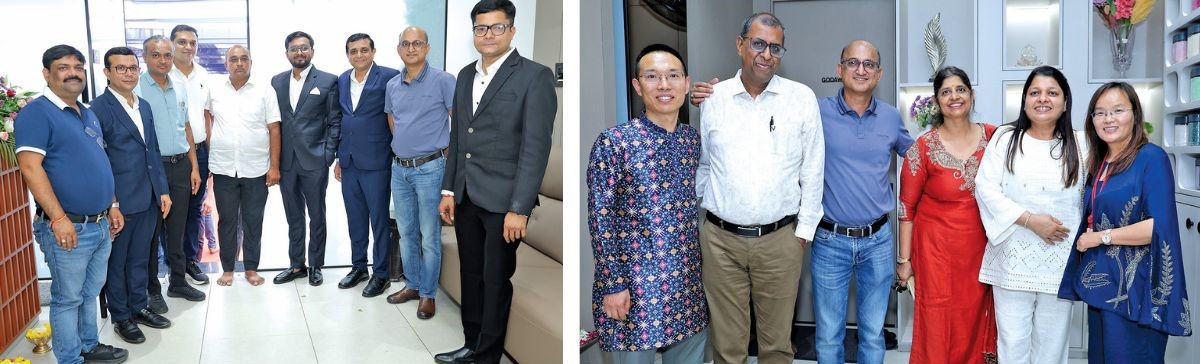
Champion’s success in India has been strengthened by the dedicated efforts of Mr. Amrutlal Kothiya, who has proudly represented the Champion brand in Surat for many years. Under his leadership, Champion has earned exceptional goodwill and built lasting relationships with embroidery manufacturers throughout the region. His commitment to genuine products, technical expertise, and customer satisfaction has played a significant role in establishing Champion as one of the industry’s most reliable names.
A Powerful Partnership for the Future
To further strengthen Champion’s presence in the Indian market and support the rapidly growing embroidery industry, Champion Device & Material LLP has been established through the collaboration of two highly respected names in the textile machinery business Jupiter Exim, led by Mr. Amrutlal Kothiya and OM Satya Exim Pvt. Ltd., headed by its Director, Mr. Rajesh Gupta.
This strategic partnership combines decades of industry experience, extensive market knowledge, and a shared vision of delivering world-class embroidery technology backed by exceptional customer service. Champion Device & Material LLP is committed to providing genuine Champion products, prompt technical support, readily available spare parts, expert guidance, and complete customer satisfaction, ensuring that embroidery manufacturers receive comprehensive solutions under one roof.
A Grand Beginning in Surat
A major milestone in this journey was achieved on 7 June 2026, when Champion Device & Material LLP proudly inaugurated its new showroom, warehouse, and service centre at Katargam, Surat. The grand inauguration received an overwhelming response from the textile industry, attracting more than 4,000 visitors, including customers, distributors, business associates, textile entrepreneurs, industry leaders, and members of the Champion China team.
The event witnessed enthusiastic participation from guests representing Ahmedabad, Mumbai, Kolkata, Delhi, and several other textile centres across India. The presence of customers who travelled long distances to attend the inauguration reflected the trust and confidence the industry has placed in the Champion brand.
The occasion became even more memorable with the warm welcome extended to Champion China’s General Manager, Mr. Bob, and Director, Ms. Sherry. Their interaction with customers and industry professionals strengthened business relationships and highlighted Champion’s commitment to serving the Indian market with advanced technology and world-class support. The overwhelming response to the inauguration reaffirmed the growing demand for Champion products and marked the beginning of an exciting new phase in the company’s journey in India.
Strengthening Customer Support Across India
Champion Device & Material LLP is more than a distribution company-it is a complete customer support organization dedicated to helping embroidery manufacturers maximize productivity and achieve long-term success.
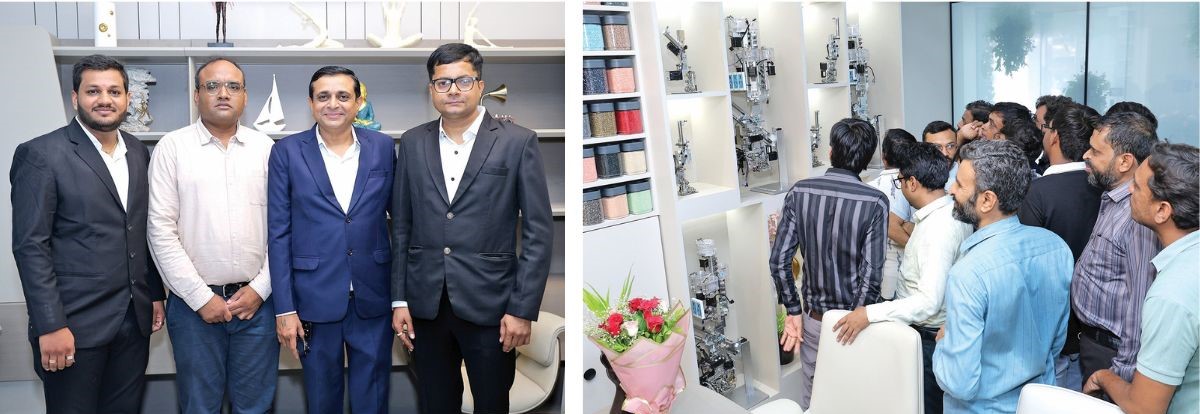
The Surat facility has been developed as a comprehensive service hub offering:
- Product demonstrations
- Technical consultations
- Genuine Champion devices and accessories
- Spare parts availability
- Professional service support
- Customer training and technical guidance
This integrated approach ensures faster response times, improved operational efficiency, and reliable after-sales support for customers across India’s embroidery industry.
Expanding Through Authorized Franchise Partners
As part of its long-term growth strategy, Champion Device & Material LLP has announced plans to establish a nationwide network of authorized franchise partners across India’s major embroidery clusters. This expansion will enable the company to provide faster product availability, localized technical support, improved customer service, and stronger relationships with embroidery manufacturers throughout the country.
By bringing Champion’s global technology closer to customers, the company aims to create a stronger service network while contributing to the continued growth and modernization of India’s embroidery industry.
Shaping the Future of Embroidery Technology
With a strong global heritage, advanced manufacturing capabilities, trusted partnerships, and a customer-first philosophy, Champion Device & Material LLP is well-positioned to become India’s leading provider of embroidery devices and accessories.
As the embroidery industry continues to evolve with increasing automation, precision, and demand for premium-quality designs, Champion remains committed to introducing innovative technologies that enhance productivity, improve efficiency, and create new opportunities for textile manufacturers.
Driven by excellence, powered by innovation, and strengthened by trusted partnerships, Champion Device & Material LLP looks forward to building a brighter future for India’s embroidery industry-delivering world-class products, dependable service, and lasting value to every customer.
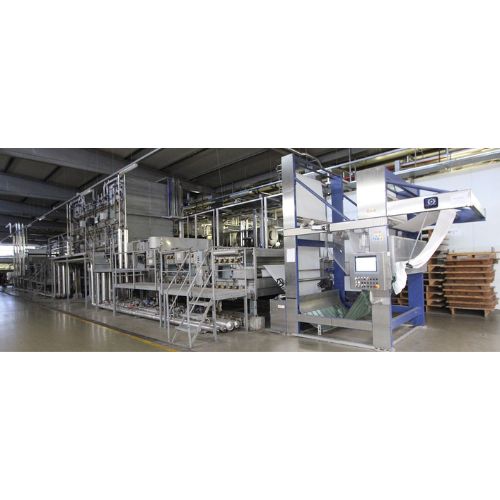
EFI Reggiani and Danitech Group Announce Strategic Multi-Year Agreement for Mezzera Textile Finishing Machinery
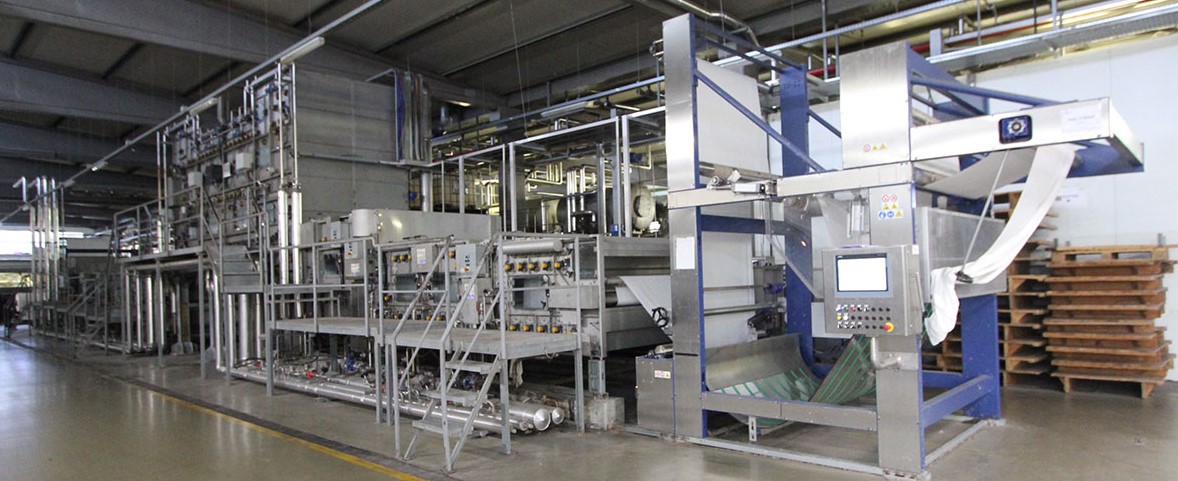
Electronics For Imaging, Inc. (EFI), through its subsidiary EFI Reggiani (Reggiani Macchine S.p.A.), together with Danitech Engineering and Solutions Srl (Italy) and Suzhou Danitech Intelligent Technology Co. Ltd (China), announces a multi-year license and manufacturing agreement covering the Mezzera and Jaeggli textile finishing machinery portfolio.
Mezzera’s legacy is built on over a century of technological excellence, combining deep-rooted heritage with continuous innovation to deliver superior performance, trusted reliability, and outstanding customer satisfaction across the global textile finishing industry.
The agreement grants the Danitech Group global rights to manufacture, commercialize, sell, install and service the entire Mezzera product range. The portfolio includes advanced solutions such as Mezzera washing and bleaching lines, singeing machines, jiggers and Jaeggli yarn mercerizing lines.
EFI Reggiani will continue to provide after-sales support and service as well as spare parts for existing installed base. For all “Mezzera by Danitech” machines, Danitech will manage full lifecycle aftersales support, backed by a dedicated long-term original spare parts supply chain with reserved volume pricing for the Group throughout the whole agreement period.
By appointing Danitech as its global manufacturing partner for the Mezzera product line, EFI Reggiani strengthens Mezzera brand’s globally recognized quality standards while increasing competitiveness and shared market potential for both partners.
The agreement will enable to expand market reach and maximize customer value under the brand “Mezzera by Danitech”, particularly in high-growth regions such as Asia, by leveraging both global sales networks, and at the same time increase competitiveness for the product line thanks to design and technological continuity.
“Our selection of Danitech as global manufacturing partner for the Mezzera range reflects our commitment to safeguarding the brand’s longstanding reputation for quality and performance”, said Vincenzo Marino, VP and GM Textile EFI Reggiani. “The comprehensive technical handover ensures that every “Mezzera by Danitech” machine fully complies with our original engineering specifications and quality standards.”
This partnership represents a cornerstone of Danitech’s long-term strategy to expand its position in integrated textile finishing solutions and strengthen its portfolio in the high-end machinery segment, supporting the Group’s goal to consolidate its global footprint in sustainable textile finishing technology.
“This partnership marks a major milestone in Danitech’s growth. By combining our manufacturing strength, leveraging both our Italian and Chinese plants, and sustainable solutions with Mezzera’s century-long heritage, we are now able to offer a comprehensive portfolio of high-performance, environmentally responsible textile finishing technologies meeting the most demanding global standards”, said Danilo Cagnazzi, General Manager, Danitech Engineering and Solutions Srl.
By combining Mezzera’s heritage and technical excellence with Danitech’s engineering and manufacturing capabilities, the Group will deliver high-performance, end-to-end finishing solutions that enhance textile substrate quality for customers while reducing environmental impact through sustainable technologies.
“With full sales rights in Greater China, we are well positioned to meet the region’s growing demand with localized production, installation, and fast after-sales service—while maintaining the premium quality that defines the Mezzera brand” said Yin Jie, CEO, Suzhou Danitech Intelligent Technology Co. Ltd.
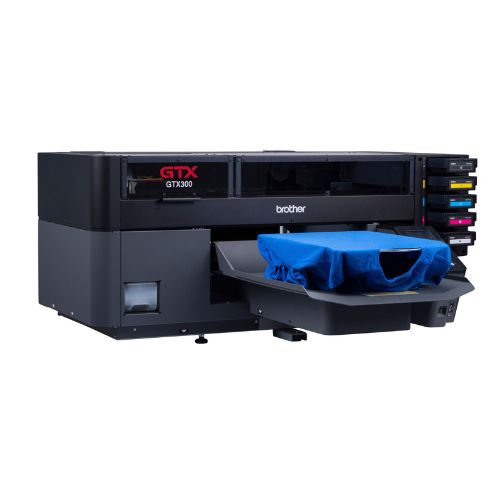
Brother introduces GTX300 Direct-to-Garment and Direct-to-Film hybrid printer for apparel decorators
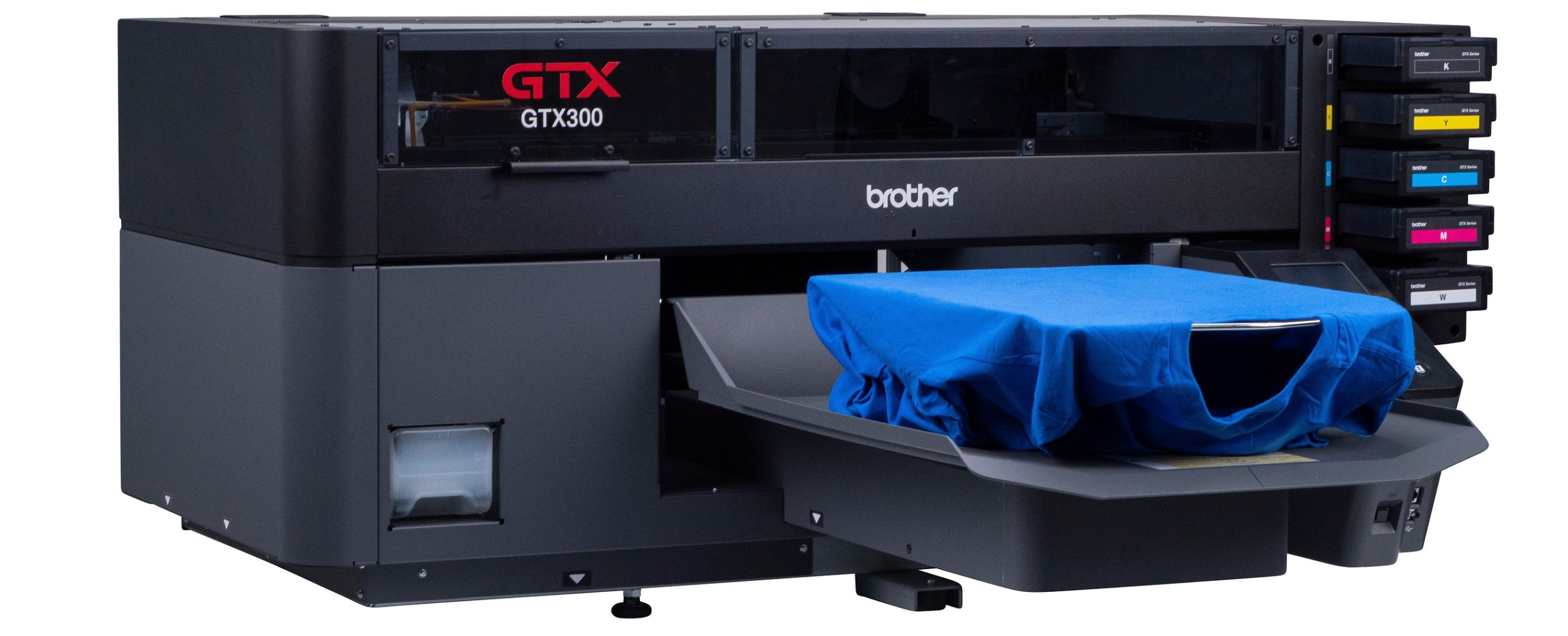
Brother International Corporation announced the launch of the GTX300 Hybrid Garment Printer, a professional-grade hybrid printing solution with both direct-to-garment (DTG) and direct-to-film (DTF) capabilities in a single compact machine designed to give apparel decorators greater flexibility, efficiency and control.
Engineered as a true hybrid solution, the GTX300 allows apparel decorators to switch seamlessly between DTG and DTF workflows to meet a wide range of customer demands without adding equipment or complexity. DTG print capabilities deliver prints with a soft hand that are ideal for cotton and natural garments, while DTF expands customization to polyester, blends, performance fabrics, oversized graphics and non-traditional print locations.
“The GTX300 is designed to help decorators say ‘yes’ to more jobs without overhauling their production setup,” said Lawrence Davenport, vice president of the Industrial Products Division at Brother International Corporation. “By combining DTG and DTF into one professional platform, we’re giving print businesses a practical way to expand what they offer, improve operational efficiency and grow with confidence.”
Built for real-world production environments, the GTX300 delivers high-resolution output with sharp detail, vibrant color and durable results across both printing methods.
Advanced ink flow technology enables smooth gradients and precise detail, and Brother Innobella™ textile inks are certified by OEKO-TEX® ECO PASSPORT, GOTS 7.0 and are CPSIA compliant.
Designed to simplify operation and maintenance, the GTX300 features a 7-inch touchscreen control panel, automated maintenance with continuous white ink circulation and GTX Graphics Lab software for streamlined DTG and DTF workflows. Its compact footprint allows it to fit comfortably in shops, classrooms and small production spaces without sacrificing performance.
The GTX300 is supported by the Brother At Your Side commitment, including guided installation and onboarding tools, access to training resources and a one-year limited warranty that includes print heads.

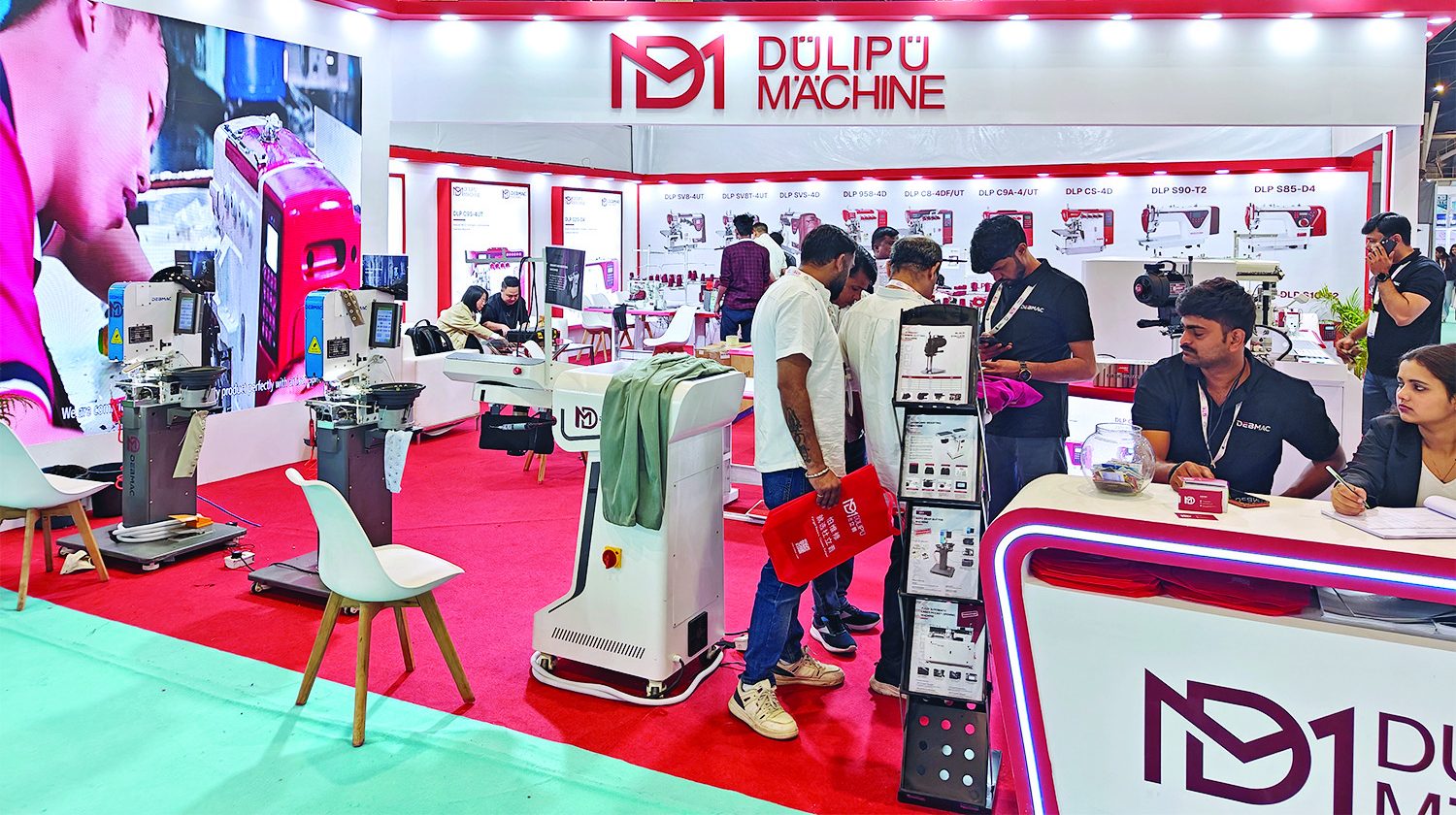
New Sewing Automation from DEBMAC launched in India

Four years back, we started some R&D on this and developed an automatic machine for shirt and trouser making with Chinese counterparts who are one of the leading manufacturers of automatic machines. We first installed these machines in our factory for doing the production, and after successful testing, the DEBMAC brand was launched in the market.
DEBMAC India Private Ltd. is a Bangalore base company headed by Alok Desai. The promoters of the company are having more than 15 years’ experience in garment manufacturing. DEBMAC is a technology-driven enterprise delivering advanced sewing and automation solutions for the modern manufacturing industry. Focused on innovation and precision, committed to delivering high-performance machines that enhance productivity, efficiency, and quality. Backed by a dedicated service team, ensuring quick support and tailored solutions to meet evolving industry demands. DEBMAC always believe in building long-term partnerships and drive the future of automation.
On asking how he started this business, Mr Alok Desai said, “We always used to find some issues when it comes to garment production. We were always looking for ways to reduce the skilled labour and improve the finish quality of the garment. To solve these problems, we were looking for the best automations wherein we could reduce the skilled labour dependency, increase the efficiency and get the best quality output for the entire day’s production”.
Four years back, the company started some R&D on this and developed an automatic machine for shirt and trouser making with Chinese counterparts who are one of the leading manufacturers of automatic machines. They first installed these machines in their factory for doing the production, and after successful testing, the DEBMAC brand was launched in the market.
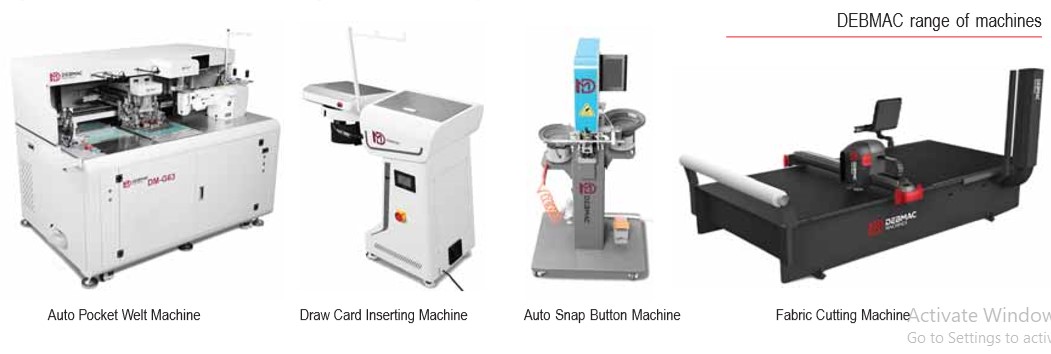
The DEBMAC is into complete apparel automation. The company has an entire range of automatic machines for shirts, denim and casual trousers. The machines handle the process with speed, accuracy and consistent results every time. No repetitive manual effort, no interruptions in workflow. Just a smoother production line that moves faster and works smarter.
The DEBMAC Auto Pocket Welt Machine is designed to simplify and accelerate pocket welt production in modern garment manufacturing. Built with advanced automation, the machine ensures perfectly aligned pocket welt with consistent stitching and clean finishing. Every operation is optimised to reduce manual intervention and improve production efficiency. Engineered with robust technology, the system delivers reliable performance even in high-volume manufacturing environments. It delivers speed, consistency, and durability. Helping manufacturers achieve better quality output while optimising time and labour
 “This automation system includes many micro parts.” Each and every part has been precisely checked by our team. We have used the best spare parts when compared with any other existing global brands in the country. We have analysed everything because we know what the breakable parts are generally and have the ready backup in India,” he said.
He further added, “We want to have the service and experience centres in all regions of India.” We have our own service engineers, and we will keep the demo machines in our experience centres. In case any breakdown happens, the factory’s production should not stop. We will send our replacement machines immediately to the factories and make the production line run till the time our technicians reach there and solve the problem.”
The company launched these automation solution for making shirts and trousers along with Draw card inserting machine, Fabric cutting machine and Auto snap button machine at the GTE exhibition in New Delhi in the month of March 2026 and got a very good response. The visitors were happy to see the automation and how operation is optimised to reduce manual intervention and improve production efficiency.
Jeanologia brings “Billy” to China, the AI transforming denim design
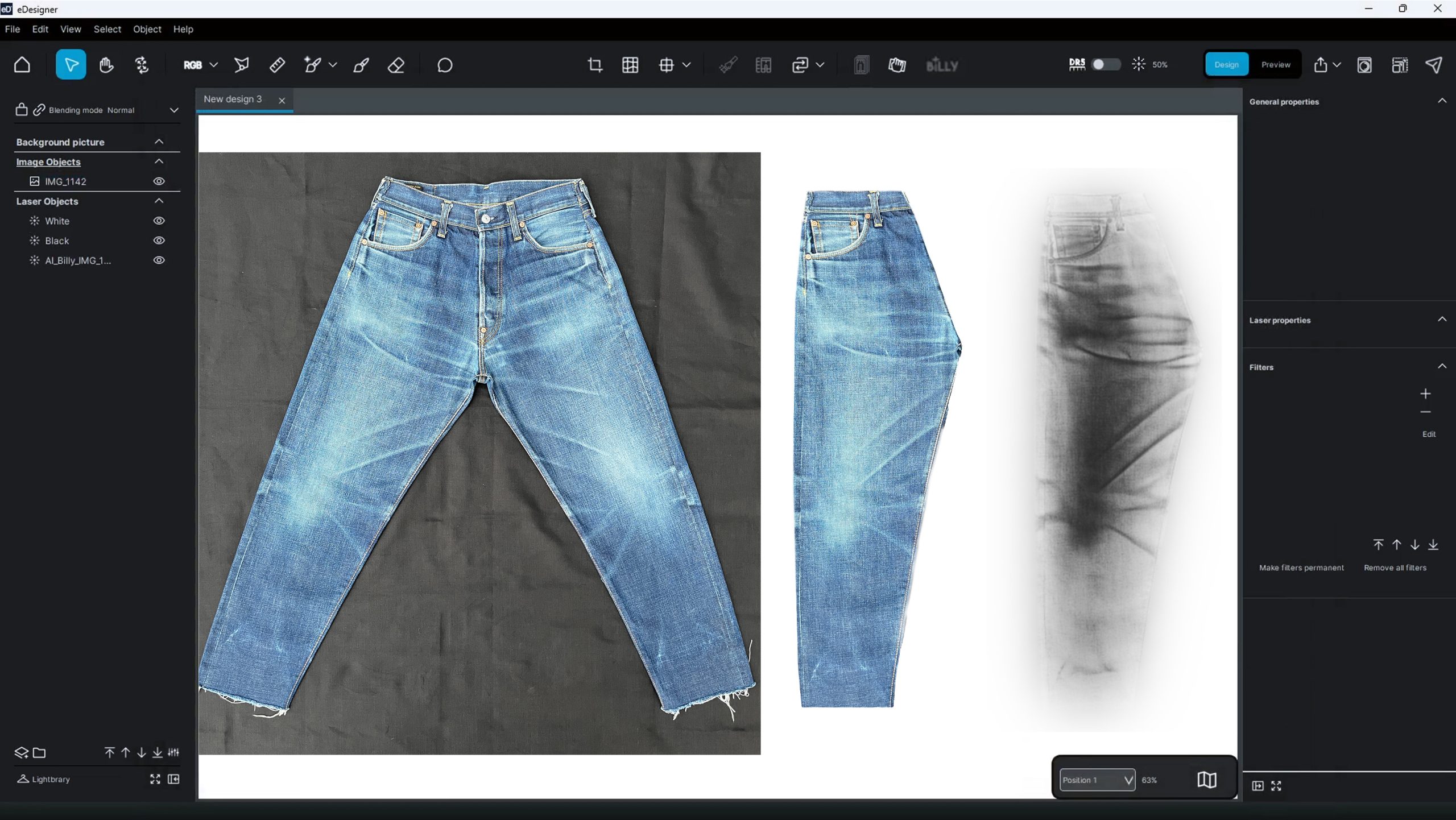
The denim industry is turning its attention to Hangzhou this week, where a new edition of Kingpins, the leading international trade show for the sector, takes place on May 21 and 22. There, the Spanish company Jeanologia, a global leader in sustainable technologies for the textile industry, is introducing its latest innovation to the Chinese market: “Billy”, the first artificial intelligence specifically developed for denim finishing design.
Following its recent international launch, and at a time when brands are demanding faster development cycles and increasingly authentic vintage aesthetics, Jeanologia is showcasing in Hangzhou how artificial intelligence can simplify one of the most complex stages of denim product development: translating authentic vintage finishes into reproducible industrial designs.
From real vintage to production-ready design
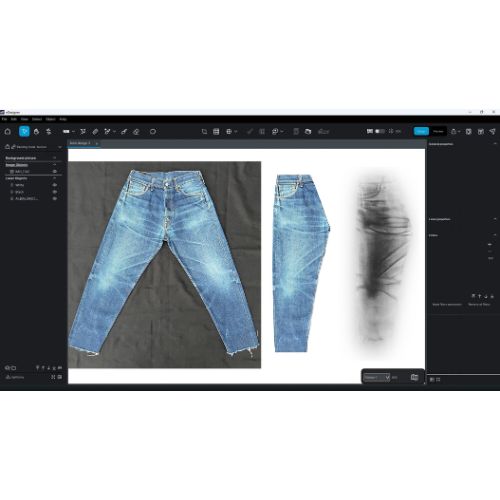
More than just a design tool, “Billy” introduces a new way of developing denim by directly connecting inspiration and production. The system transforms garment images into precise laser designs within minutes, interpreting fades, contrasts and signature vintage denim details to automatically generate files optimized for industrial laser execution.
What traditionally required hours of technical work and multiple manual adjustments can now be achieved in minutes through a direct digital workflow connecting design and production.
“The industry is looking for faster and more precise ways to develop authentic vintage products,” says Jean Pierre Inchauspe, Business Director Asia at Jeanologia. “With Billy, brands and manufacturers can directly connect inspiration and production, reducing complexity while maintaining authenticity.”
The system has been trained using more than 9,000 laser designs developed by Jeanologia over decades of work in laser technology and denim finishing alongside some of the world’s leading denim brands, designers and suppliers. This extensive knowledge base allows “Billy” to understand how vintage wear patterns are created and convert them into reproducible laser designs optimized for industrial application.
Combined with Jeanologia’s laser technology, the system enables digital designs to be reproduced on garments with precision and consistency, eliminating the need for manual retouching and reducing inefficient production processes.
At Kingpins China, visitors will be able to experience live demonstrations where vintage garment images are instantly transformed into laser executions through a fully digital workflow integrating AI and laser technology.
AI, laser and automation shaping the future of denim
Introduced by Jeanologia more than 25 years ago, laser technology transformed denim finishing by replacing traditional manual techniques associated with high environmental impact and health risks for workers. Today, the combination of AI, laser and automation is accelerating a new generation of denim production focused on speed, digitalization and efficiency.
Inspired by decades of research into vintage denim and supported by Jeanologia’s archive of laser developments, “Billy” transforms heritage into digital intelligence applied to design. Every fade, contrast and wear pattern can now be analyzed and translated into reproducible laser executions with precision and consistency.
The result is a process capable of preserving the visual authenticity and character of vintage denim while enabling a more precise, efficient and responsible approach to production.
China’s role in the next generation of textile manufacturing
The arrival of “Billy” in China comes at a time when the Asian textile industry is accelerating investments in automation, digitalization and more efficient production systems. As one of the world’s leading textile manufacturing hubs, China is becoming a key market for the adoption of automation, AI and digital product development technologies capable of accelerating both productivity and sustainability.
Jeanologia has been operating in China for more than 18 years and currently works with more than 200 customers in the country through local teams specialized in laser design and product engineering. Today, more than 20% of jeans produced in China are manufactured using technologies developed by Jeanologia.
“What we are seeing is the beginning of a new digital workflow for denim creation, where AI helps transform inspiration into production with much greater speed, precision and consistency,” adds Jean Pierre Inchauspe.
To explore the growing role of AI across the denim industry, Jessica Lau from Jeanologia’s Asia Brainbox team will participate in the Denim Talks panel “Artificial Intelligence: From Cotton to Culture” at Kingpins China, discussing how artificial intelligence is transforming the denim value chain, from design and product development to manufacturing and consumer experience.
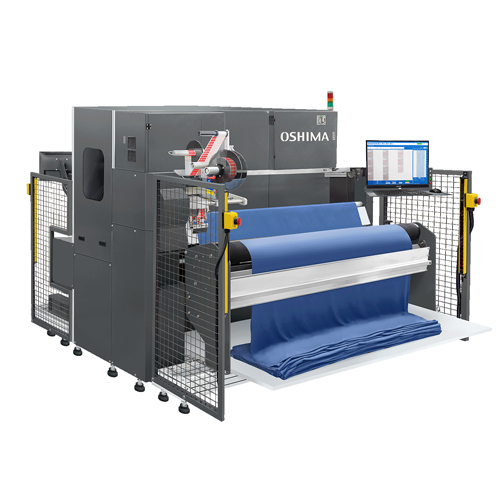
OSHIMA demonstrates EagleAi® AI fabric inspection machine and smart factory platform at Texprocess Frankfurt 2026
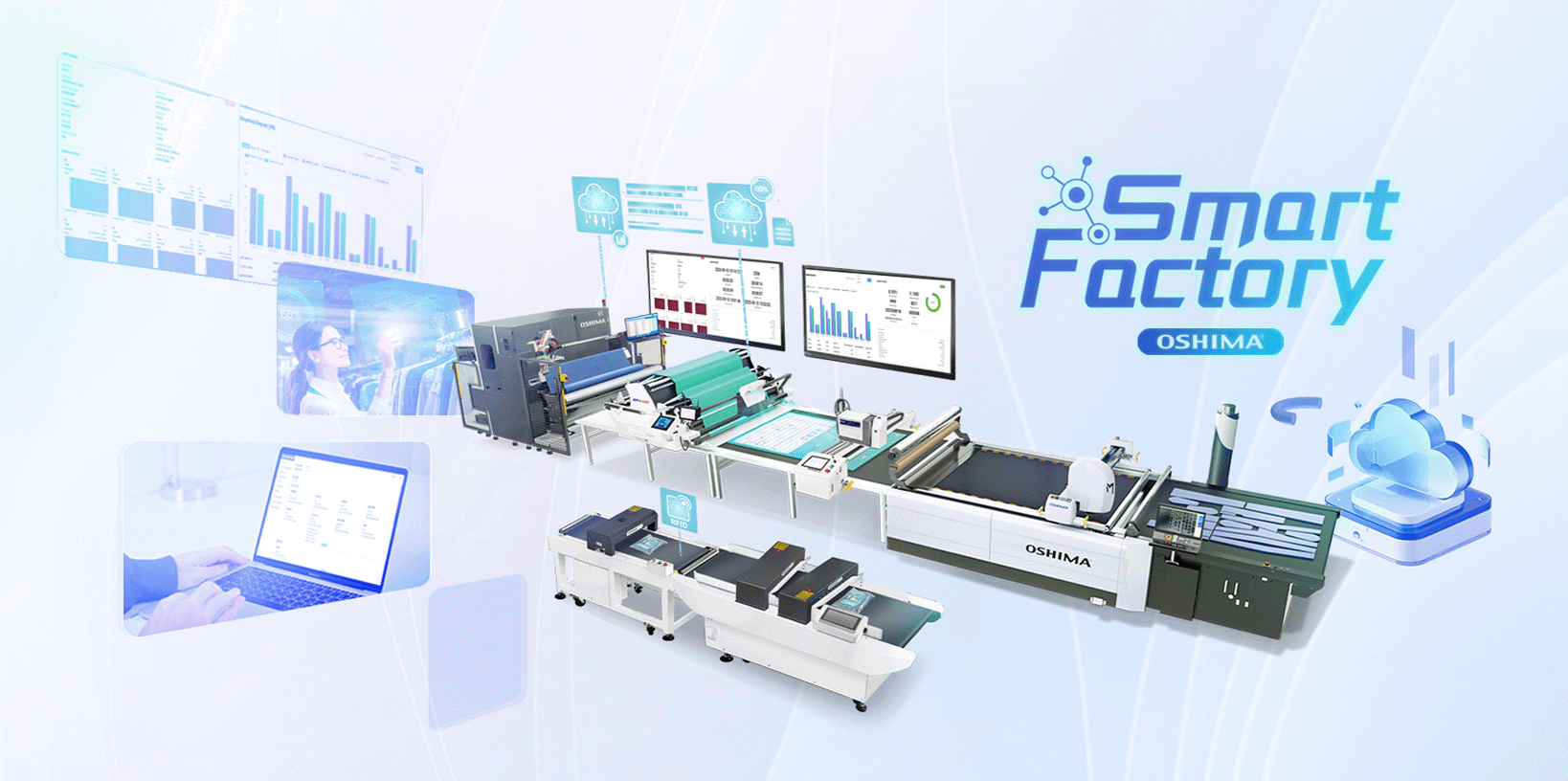
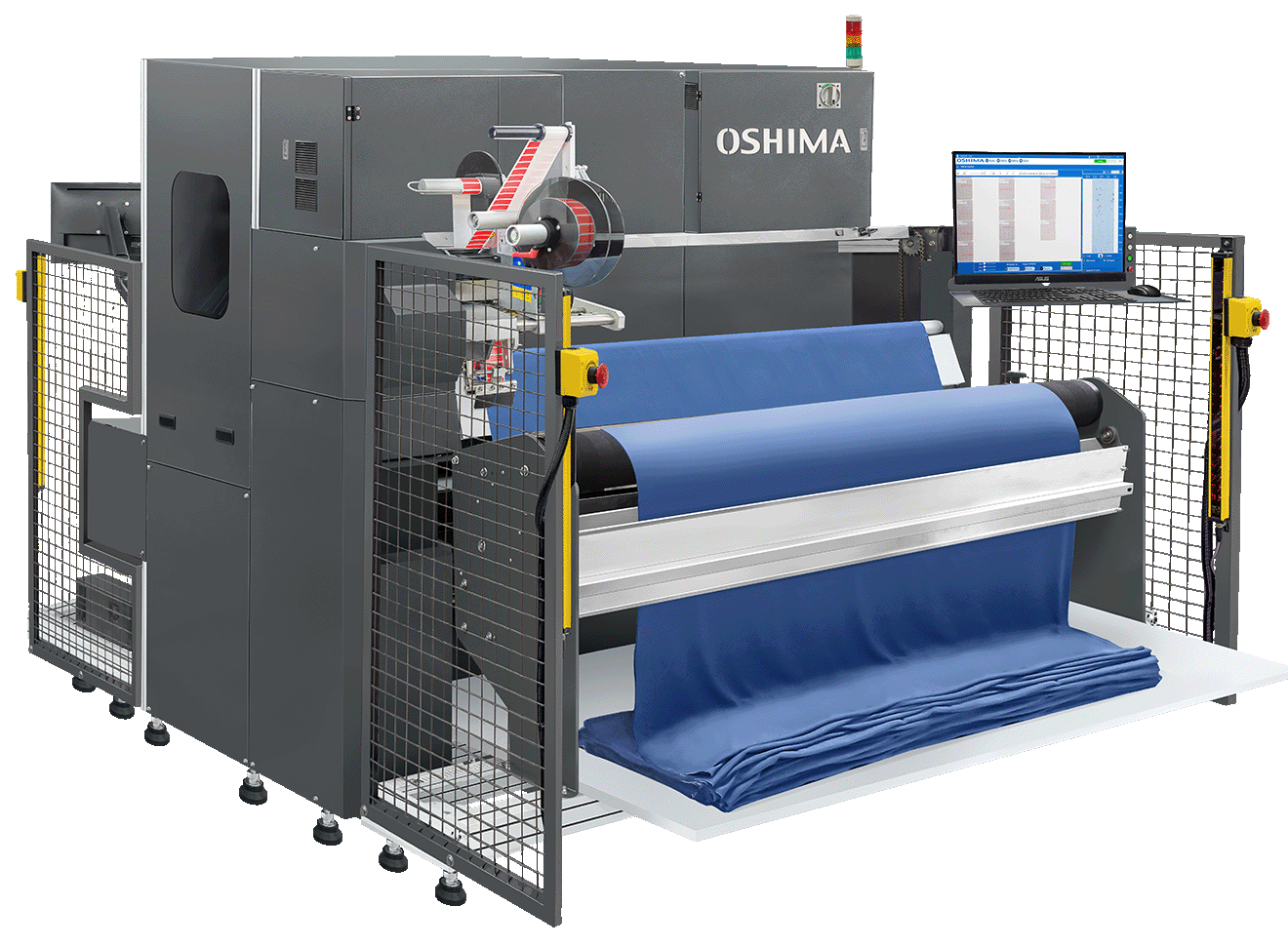 The OSHIMA EagleAi® is an AI fabric inspection machine that uses visual recognition to detect, map, and classify more than 20 categories of fabric defects in woven, knit, and elastic textiles, and integrates that defect data across the entire garment production workflow, from inspection through cloud-based monitoring to spreading and cutting. OSHIMA CO., LTD., a Taiwanese manufacturer of AI fabric inspection machines and smart factory systems with more than 50 years in garment equipment manufacturing, showcased the EagleAi® and its cloud-based Smart Factory Platform at Texprocess Frankfurt 2026 (April 21 to 24) alongside European distribution partner Strima.
What is the OSHIMA EagleAi® AI fabric inspection machine?
The EagleAi® AI fabric inspection machine is designed, developed, and manufactured in Taiwan. During inspection, the system generates structured defect data including defect coordinates, classification, area analysis reports, colour deviation measurements using DELTA-E and CIELAB, and Four-Point System grading, all exportable in CSV, PDF, and Excel formats.
The system is built for garment manufacturers producing knit, elastic, and woven fabrics, particularly contract manufacturers supplying fast fashion brands, premium suppliers with zero-defect policies, and sportswear and intimate apparel producers. Unlike standalone fabric defect detection systems that end at the inspection report, the EagleAi® connects defect data to downstream production stages through OSHIMA’s own IoT spreading and cutting equipment, creating a verified production chain where fabric reaching the cutting stage has passed through both AI detection and operator-verified defect projection.
How does OSHIMA integrate fabric inspection data from inspection to cutting?
For apparel manufacturers, detecting fabric defects is only the first step. The operational value of an AI fabric inspection machine depends on whether the resulting data can move through the production workflow and improve decisions at every stage that follows. OSHIMA connects AI fabric inspection to downstream production using a four-stage data workflow:
Stage 1, Inspection and data generation: The EagleAi® AI fabric inspection machine generates structured defect data during inspection, including defect mapping with exact coordinates, classification, colour deviation analysis using DELTA-E and CIELAB, and Four-Point System grading.
Stage 2, Cloud integration via the Smart Factory Platform: Defect data flows into the OSHIMA Smart Factory Platform, a cloud-based IoT manufacturing management system that provides a unified dashboard across factory sites and production lines. Factory managers can monitor inspection operations in real time from any location, access reports and defect images, track job orders from dispatch through completion, generate graphical production reports, and export data for integration with existing MES and ERP systems. Synchronised alerts appear both on the cloud dashboard and on individual machine interfaces.
Stage 3, Defect map projection during spreading: The defect map data integrates directly with the SPro Projection System on OSHIMA’s SPro smart spreading machine. During fabric laying, the system projects exact defect positions onto the fabric surface.
Stage 4, Operator verification before cutting: Operators see projected defect locations and can determine whether each defect falls within a cut piece, taking corrective action before fabric is committed to cutting.
Because OSHIMA manufactures the AI fabric inspection machine, the IoT spreading machine, and the cutting equipment under one product ecosystem, the data connection between these stages is native rather than requiring third-party middleware or custom integration. The EagleAi® generates the defect map, the Smart Factory Platform stores, visualises, and distributes it across the factory in real time, and the SPro Projection System renders it physically onto the fabric during spreading. Each piece of defect data travels from the point of detection to the point of action without manual re-entry, file transfer, or system translation. For garment factory automation, this closed-loop connectivity between AI fabric inspection, IoT spreading, cloud monitoring, and cutting preparation means that quality decisions at every stage are informed by the same dataset.
What are the technical specifications of the EagleAi® AI fabric inspection machine?
The EagleAi® AI fabric inspection machine uses linear cameras and AI visual recognition, and is available in two configurations:
EagleAi (Station 1): Two colour cameras with a linear light source rated at 1.1 million lux, for standard woven and knit fabric inspection.
EagleAi Plus (Station 2): Adds two monochrome cameras and a second linear light source for detecting defects in translucent fabrics, including broken weft, broken warp, holes, piece joining, tension unevenness, and thick and thin places.
Both configurations share the following specifications:
• Operating speed: 10 to 40 metres per minute (depending on fabric type)
• Optical resolution: 0.135 mm
• Minimum detectable defect size: 1 mm
• Maximum working width: Under 1,900 mm
• Fabric handling: Flat-to-flat, roll-to-roll, roll-to-flat, and flat-to-roll
• Hardware: Intel Xeon processor, 64 GB RAM, 4 TB SSD storage
• Operator requirement: Single operator
• Offline capability: Full operation without internet connectivity
What types of fabric defects can the EagleAi® AI fabric inspection machine detect?
The EagleAi® detects more than 20 categories of fabric defects across woven and knit textiles.
Standard defects detected by Station 1 include: yarn knot, coarse yarn, foreign fibre, warp anomaly, weft anomaly, broken yarn, snarling yarn, horizontal line, hole, tension unevenness, stop mark, dye streak, colour spot, residual chemical, press mark, scratch, general stain, adhesive stain, and oil stain.
Station 2 adds detection of translucent fabric defects: broken weft, broken warp, piece joining, thick places, and thin places.
How does AI fabric inspection compare to manual fabric inspection?
For factories evaluating the transition from manual to AI-powered fabric inspection, the operational differences are significant:
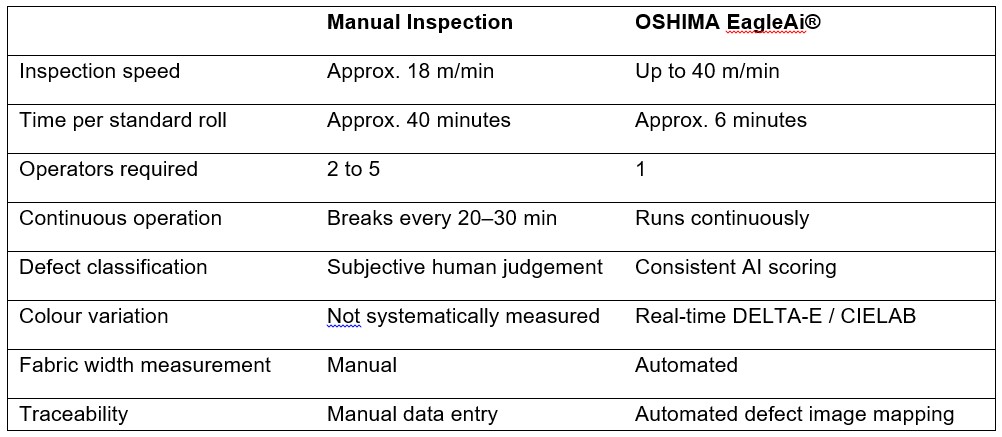
Factories replacing manual fabric inspection with the EagleAi® typically reduce inspection labour from two to five operators to one while achieving approximately six times the throughput of manual methods, with continuous operation rather than mandatory breaks. For premium suppliers whose brand clients require documented quality evidence, the automated defect image traceability provides a level of documentation that manual processes cannot practically replicate.
Can the EagleAi® AI fabric inspection machine inspect knit and elastic fabrics?
 Yes. Knit and elastic fabrics present specific inspection challenges because fabric stretch during handling can distort defect positioning, and tension variation can create false positives or mask real defects.
The EagleAi® addresses this with a zero-tension handling system and three-level speed ratio control, maintaining inspected area deformity below 5% on knit and elastic textiles. In OSHIMA’s product benchmarking, a highly elastic knit fabric measured at H=195 before inspection returned to H=199 after inspection, with measured tension at 2%. Semi-automatic fabric feeding maintains controlled tension throughout the inspection process.
This makes the EagleAi® AI fabric inspection machine particularly relevant for manufacturers producing sportswear, intimate apparel, casualwear, and other stretch-based garments where inspection-induced distortion would compromise defect position accuracy.
How long does it take to deploy AI fabric inspection for a new fabric type?
One of the practical barriers to adopting AI fabric inspection is the cost and time required to train detection models for specific fabric types. OSHIMA addresses this through what it describes as the largest fabric defect database in the APEC region, developed in collaboration with ITRI (Industrial Technology Research Institute) and leading textile suppliers. This database provides a broad foundation of pre-trained defect patterns designed to reduce deployment time when onboarding new fabric categories.
OSHIMA also uses a permission-based data sharing model, where participating manufacturers contribute anonymised defect data to improve the shared AI model while maintaining control over proprietary information. This approach reduces individual AI training costs and accelerates model improvement across the user base. The fabric recognition module is customisable by fabric type, and OSHIMA offers customised services for reports, models, and functionalities to match specific production requirements.
Does the EagleAi® AI fabric inspection machine work offline?
Yes. The EagleAi® fully supports offline operation. For manufacturers with strict network security requirements or operating in regions with limited internet connectivity, inspection continues without interruption or external data exposure. When connectivity is available, the system integrates with the cloud-based Smart Factory Platform for remote monitoring and centralised reporting. Standard safety features include emergency stop functions, safety sensors, automatic alarms, indicator lights, and fabric absence detection.
Where is the EagleAi® AI fabric inspection machine installed?
EagleAi® installations are currently operating in production environments primarily across APAC countries, including Taiwan, Vietnam, Cambodia, Thailand and Indonesia.
OSHIMA reports that a global apparel manufacturer headquartered in Hong Kong, with over 30 years in the industry and production bases in China and Cambodia, has deployed the Smart Factory Platform on its SPro IoT spreading machines. According to OSHIMA, the deployment enables the manufacturer’s management team to monitor machine operating status in real time and access production reports at any time, supporting faster decision-making and strengthened production oversight.