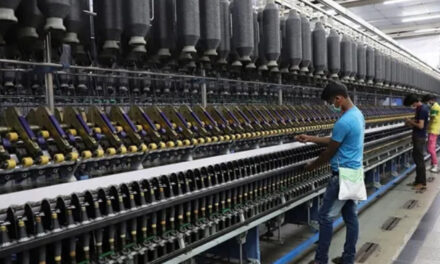

The Tamil Nadu government has announced a series of initiatives to strengthen the textile and apparel ecosystem, including the establishment of a Tamil Nadu Institute of Design, the creation of a Tiruppur Textiles Technology Centre (TTTC) with an investment of ₹10 crore, and a scheme to promote technical textiles.
The announcements were made in the State Budget for 202627, which also allocated ₹1,678 crore to the Handlooms, Handicrafts, Textiles, and Khadi Department in the revised estimates.
The proposed TNID will be established as an institution of State importance, with active participation from industry and academia. A detailed project report will be prepared for the institute, Finance Minister N Marie Wilson announced.
“Despite Tamil Nadu being one of India’s largest hubs for textiles, apparel, handlooms, handicrafts, and manufacturing, it lacks a dedicated institution that integrates design education, innovation, research, product development, and entrepreneurship for these sectors,” he said.
The government stated that Tamil Nadu’s contribution to technical textiles remains relatively low, despite being one of the country’s leading textileproducing States. This is mainly due to limited awareness and inadequate access to advanced technologies and international expertise.
To tap into the growing opportunities in technical textiles, the government will launch the Technical Textiles Transformation Scheme for Entrepreneurs under the Tamil Nadu Technical Textiles Mission. This initiative will be implemented in collaboration with international educational and research institutions to help entrepreneurs, micro, small, and medium enterprises (MSMEs), and textile manufacturers diversify into technical textiles, he said.
The infrastructure facilities in Tiruppur will be upgraded in multiple phases to promote environmentally sustainable textile production. For this purpose, the TTTC will be established with a financial outlay of ₹10 crore, he said.
The Tiruppur Exporters Association said the government’s initiatives will strengthen the competitiveness of Tiruppur’s knitwear and textile industry.
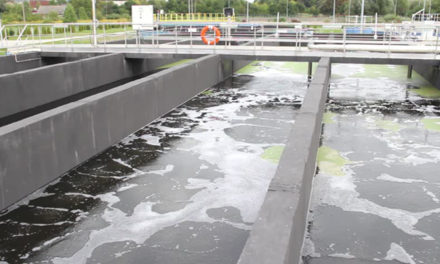
At the same time, it expressed confidence that the State government would favourably consider the long pending demands of the knitwear industry, including the formation of a Knitwear Board, the conversion of the ₹200 crore loan extended for common effluent treatment plants for dyeing units into a subsidy, and the establishment of a regional office/procurement centre of the Cotton Corporation of India.