 According to latest research by Growth Market Reports, the global waterproof breathable textiles market size reached USD 2.53 billion in 2024, demonstrating robust growth driven by heightened demand for functional apparel across several sectors. The market is expanding at a CAGR of 6.8% and is forecasted to attain a value of USD 4.64 billion by 2033. This growth is primarily fueled by the increasing adoption of high-performance textiles in sportswear, protective clothing, and outdoor apparel, as well as the rising consumer preference for comfort combined with weather protection.
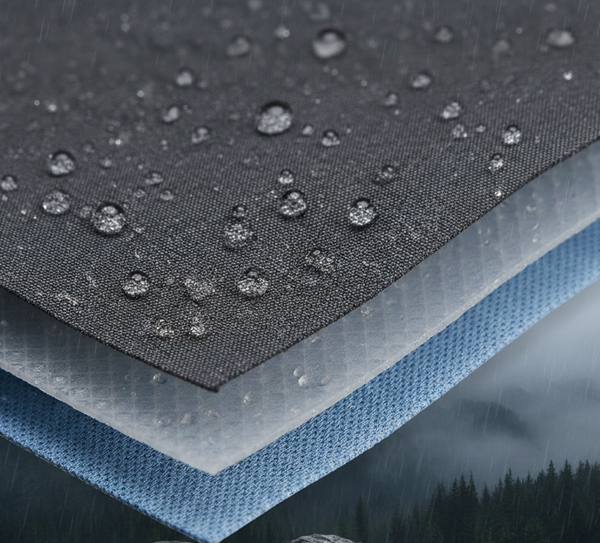
The Waterproof Breathable Textiles Market is witnessing steady growth as consumers increasingly prioritize performance-driven apparel that offers protection without compromising comfort. These textiles are engineered to block external moisture while allowing perspiration vapor to escape, making them essential in outdoor wear, sports gear, medical textiles, and protective clothing. Rising awareness of health, hygiene, and climate adaptability is accelerating adoption across both consumer and industrial sectors.
Key Growth Drivers
Rising Demand for Functional Apparel
Outdoor recreation, fitness trends, and adventure tourism have fueled demand for high-performance clothing. Consumers seek garments that offer protection from rain and wind while maintaining breathability during physical activity. This trend is particularly strong in sportswear, hiking gear, and urban commuter apparel.
Expansion in Healthcare Applications
Waterproof breathable textiles are increasingly used in medical bedding, surgical gowns, and protective covers. These materials help maintain hygiene by preventing fluid penetration while ensuring airflow, reducing the risk of infections and improving patient comfort.
Technological Innovations
Advancements in textile engineering, including microporous membranes, hydrophilic coatings, and nanotechnology, are enhancing fabric performance. Innovations enable improved moisture management, increased durability, and reduced environmental impact through solvent-free and recyclable materials.
Market Challenges
High Production Costs
Advanced waterproof breathable fabrics require specialized materials and manufacturing processes, leading to higher production costs. This can limit adoption in price-sensitive markets and create barriers for small-scale manufacturers.
Environmental Concerns
Traditional water-repellent treatments often rely on fluorinated chemicals, which pose environmental and health risks. Regulatory pressure is pushing manufacturers to develop eco-friendly alternatives, increasing research and compliance costs.
Emerging Opportunities
Sustainable Textile Solutions
The shift toward environmentally responsible products is creating opportunities for biodegradable membranes, PFC-free coatings, and recycled fabric blends. Brands adopting sustainable practices can gain a competitive edge and appeal to eco-conscious consumers.
Growth in Emerging Markets
Rising disposable incomes and expanding middle-class populations in Asia-Pacific and Latin America are driving demand for premium apparel and protective textiles. Urbanization and changing lifestyles further support market expansion in these regions.
Competitive Landscape
• W. L. Gore & Associates, Inc.
• Toray Industries, Inc.
• Polartec, LLC
• Sympatex Technologies GmbH
• Mitsui & Co., Ltd.
• Rudolf Group
• Nextec Applications, Inc.
• eVent Fabrics (BHA Technologies, Inc.)
• HeiQ Materials AG
• Teijin Limited
Future Outlook
The Waterproof Breathable Textiles Market is poised for sustained growth as technological advancements and sustainability initiatives reshape the industry. Increasing demand for versatile, eco-friendly, and high-performance fabrics will continue to drive innovation. Companies that invest in green technologies and cost-effective production methods are likely to lead the next phase of market expansion.
(Source: https://growthmarketreports.com)