 While the textiles industry has always emphasized innovation, the last few years have seen the sector embrace new technologies like never before. Driven by environmental concerns, higher manufacturing costs, and shifting consumer attitudes, brands have looked to incorporate advanced textile solutions into clothing, homeware, equipment, and pet products. With this in mind, we’ve compiled a guide to the most influential emerging fabric technologies of 2026.
9 innovative fabric technologies for 2026
1. Innovative fabrics
Innovative fabrics like seacell, microsilk, and nullarbor are made from non-traditional fibers that are less environmentally damaging and often extracted from parts of plants that have historically been considered waste products.
Many companies are also experimenting with new fibers and fabrics. Partly driven by the desire for more sustainable fibers and partly by an interest in improving textile performance, innovators are constantly searching for unique fabric sources in the hope they hit upon the next cotton or polyester.
Seacell is one of these new fibers. Made from knotted wrack seaweed that is traditionally grown in Icelandic fjord farms, the fiber is completely biodegradable, skin-safe, and sustainable. The seaweed is typically mixed with cellulose to create a usable fiber and potentially benefits from anti-inflammatory qualities.
Startups are also exploring the potential of spider silk. Stronger than steel but remarkably flexible, spider silk is currently far too difficult to farm, labor-intensive, and expensive for mass production. However, these startups are experimenting with synthetic equivalents, such as microsilk, that are based on the proteins found in spider silk.
2. Smart fabrics
Smart fabrics incorporate digital technologies to enhance performance and connect textile products to the wider Internet of Things. From activity monitoring to performance control, digital tech will give users access to a whole new world of functionality.
We live in a connected world and, with the advent of the Internet of Things (IoT) technology, it was only a matter of time before smart fabrics became the next big thing in textiles. Smart fabrics leverage sensors and other relevant digital technologies to collect information about our bodies and environment. In passive smart textiles, this data is simply made accessible to the wearer. This category can include fabrics that measure heart rate or body temperature. In active smart textiles, this data also informs textile performance.
For example, Wearable Nadi X Smart Yoga Pants feature haptic feedback technologies that vibrate to guide you through yoga poses and improve your positioning. While early applications focus primarily on the medical, sports, and military sectors, we can expect to see this advanced fabric technology filter through to consumer textiles in the near future.
3. Odor-capture technology
Odor-capture technologies like Polygiene® OdorCrunch2.0 provide long-lasting, 24/7 protection, keeping fabrics fresher for longer without the use of heavy metals, PFAs, or nanotechnology.
Technologies that control and prevent unpleasant smells in fabrics work in several ways. They can prevent the growth of odor-causing bacteria or target the odorous compounds they produce. They can be integrated into fabrics or applied as a surface coating. They can be built-in or post-market solutions. While odor control technologies of all types have had an enormous impact on the textile industry in recent years, 2026 has seen remarkable developments in one specific type of technology – odor capture.
Polygiene OdorCrunch2.0 captures, binds, and prevents the release of odorous molecules and compounds, so fabrics are fresher-smelling for longer and can be worn more between washes. When washed, the odorous compounds are removed from the fabric fibers and OdorCrunch2.0’s powerful protection resets, so it’s ready to go again.
For users, key Polygiene OdorCrunch2.0 benefits include:
Fresher for longer – Polygiene OdorCrunch2.0 protects against smells, keeping textile products fresh between washes.
More self-confidence – built-in odor protection means you don’t have to worry about smelling. That translates to more self-confidence and improved comfort.
Less washing – fresher-for-longer textiles mean you don’t have to wash items as frequently, saving you time and money.
More sustainable maintenance – fewer washes means less water, energy, and detergent consumption. That reduces the product’s overall environmental footprint.
Improved product durability – machine washing causes wear, tear, and premature fiber degradation. Less washing means products last longer.
4. 3D printing
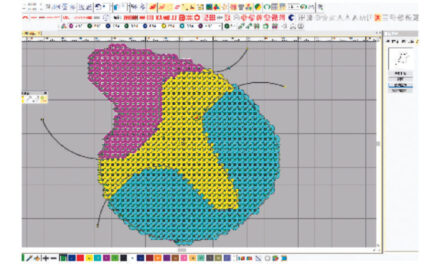
3D printing enables manufacturers to create shapes, styles, and structures that were previously impossible to build, while also opening up the possibility for much greater personalization in textile products.
3D printing is impacting a wide variety of industries, including the textiles and fashion sectors. In clothing design and manufacturing, it enables more complex and detailed designs, as well as making it easier to integrate other fascinating technologies, such as sensors and electronics. At the same time, 3D scanning and manufacturing tools can help designers tailor clothing to specific silhouettes, resulting in more bespoke apparel.
Interestingly, 3D printing is also helping clothing manufacturers to eliminate waste, reduce resource consumption, and improve sustainability in the industry. With performance-focused apparel and equipment, such as sports clothing, 3D printing is revolutionizing design. Latticing techniques and complex cut-out constructions enable manufacturers to remove weight from shoes, clothes, and other equipment without impacting overall strength and durability. The Adidas 4DFWD running shoes are arguably the best-known example of this.
5. On-demand manufacturing methods
On-demand manufacturing methods enable brands to eliminate waste, introduce new designs on a regular basis, respond to consumer demand with greater agility, and reduce expenditure associated with overproduction.
Developments in on-demand technologies are helping brands reduce costs, improve operational agility, and drive greater efficiency. By manufacturing to order, companies ensure they don’t overproduce, stopping overstock waste and enabling them to simplify logistics and cut warehousing costs. They can also introduce new designs with greater regularity, ensuring they maintain consumer interest.
Bunker Mentality, a golf apparel brand and Polygiene partner based in the UK, is a fantastic example of how on-demand manufacturing can enable new and progressive business models that give companies a serious competitive advantage.
6. Personalization technologies
Digital technologies enable brands to collaborate with and cater to customers without the need for in-person shop visits, allowing for greater personalization of products. AR, VR, and 3D scanning technologies are leading the charge when it comes to creating bespoke products that reflect unique consumer needs.
Fashion is one of the most widely accepted means of personal expression. Our choice of clothes says a lot about who we are or how we want to present ourselves. As a result, consumers often seek out unique items that reflect their individuality and sense of self.
In the textiles industry, innovative personalization technologies are making bespoke clothing a reality for a much broader range of customers. 3D scanning and modeling are central to this new wave of personalization solutions, as they allow consumers to collaborate with designers and manufacturers to create made-to-fit items with a truly personal touch.
However, other forms of personalization are also making waves. For example, VR and AR technologies enable consumers to try on products and adapt them in a virtual environment. Behavioral data also allows brands to deliver tailored product suggestions and create items to meet emerging customer needs and demands.
7. Recycled fabrics
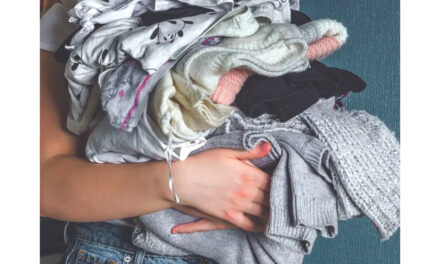
Recycled fabrics have a significant impact on sustainability and drastically reduce a product’s environmental footprint. Upcoming EU regulatory changes mean there’s going to be a much greater emphasis on sustainability and circularity, ensuring recycled fabrics will play a more important role in textile design going forward.
Fabric innovation is not just for market disruptors. Even the world’s biggest and most established clothing brands are getting in on the act. For instance, Levi’s now manufactures jeans using 100% recycled cotton sourced from old T-shirts. It plans to use only third-party preferred or certified more sustainable primary materials by 2030 and has introduced its first fully recyclable model, Levi’s Circular 501 Jeans, removing all elements that would disrupt reclamation and recycling processes, such as pocket detailing, labels, and any synthetic fibers.
Other organizations are taking similar steps, with H&M aiming to ensure 50% of all materials used in the brand’s products are recycled by 2030 (H&M). UNIQLO has also implemented an in-store recycling program, through which consumers can return UNIQLO items to collection boxes in its stores for proper recycling.
8. Biodegradable textiles
Biodegradable fibers are becoming increasingly prevalent as the transition toward a more circular economy gathers pace and brands are forced to consider how their products are disposed of Sustainability is not just about product origins. It encompasses end-of-life considerations, too. For this reason, many fabric companies are experimenting with biodegradable textiles. Biodegradable textiles have the potential to be bioengineered from living organisms, such as bacteria, algae, fungi, or yeast. These living organisms can eventually be broken down into completely safe and non-toxic waste products.
Biodegradable textiles is a new fabric technology that could play a significant role in minimizing textile waste and tackling the problem of fast fashion. Crucially, fibers made from algae display all the qualities you need from fabrics used in commercial applications. They are strong, flexible, and can be colored with non-chemical dyes. Even more promisingly, some fibers can be grown in molds, ensuring the exact amount is produced and further reducing waste in the manufacturing process.
9. Antibacterial fabric treatments
Antibacterial additive solutions like Polygiene® StayFresh prevent the growth of odor-causing bacteria, resulting in products that stay fresher for longer, can be washed less frequently, and benefit from a reduced environmental footprint as a result.
Antibacterial textile technology is having an incredible impact on the textile and clothing industries, enabling manufacturers to create products that stay fresher for longer and require less washing. For consumers, this means they can wear clothes more frequently without having to wash them or worry about unpleasant smells.
A recent Life Cycle Assessment on an odor-control Polygiene-treated T-shirt demonstrated that the technology generates considerable sustainability benefits by enabling consumers to skip every other wash. It showed that skipping every second wash:
• Reduced the T-shirt’s total environmental impact by a third.
• Saves up to 51 kWh every year.
• Saves approximately 3,800 liters of water every year.
• Frees up four full days that would otherwise be spent on laundry.
(Source: Polygiene textile technologies)