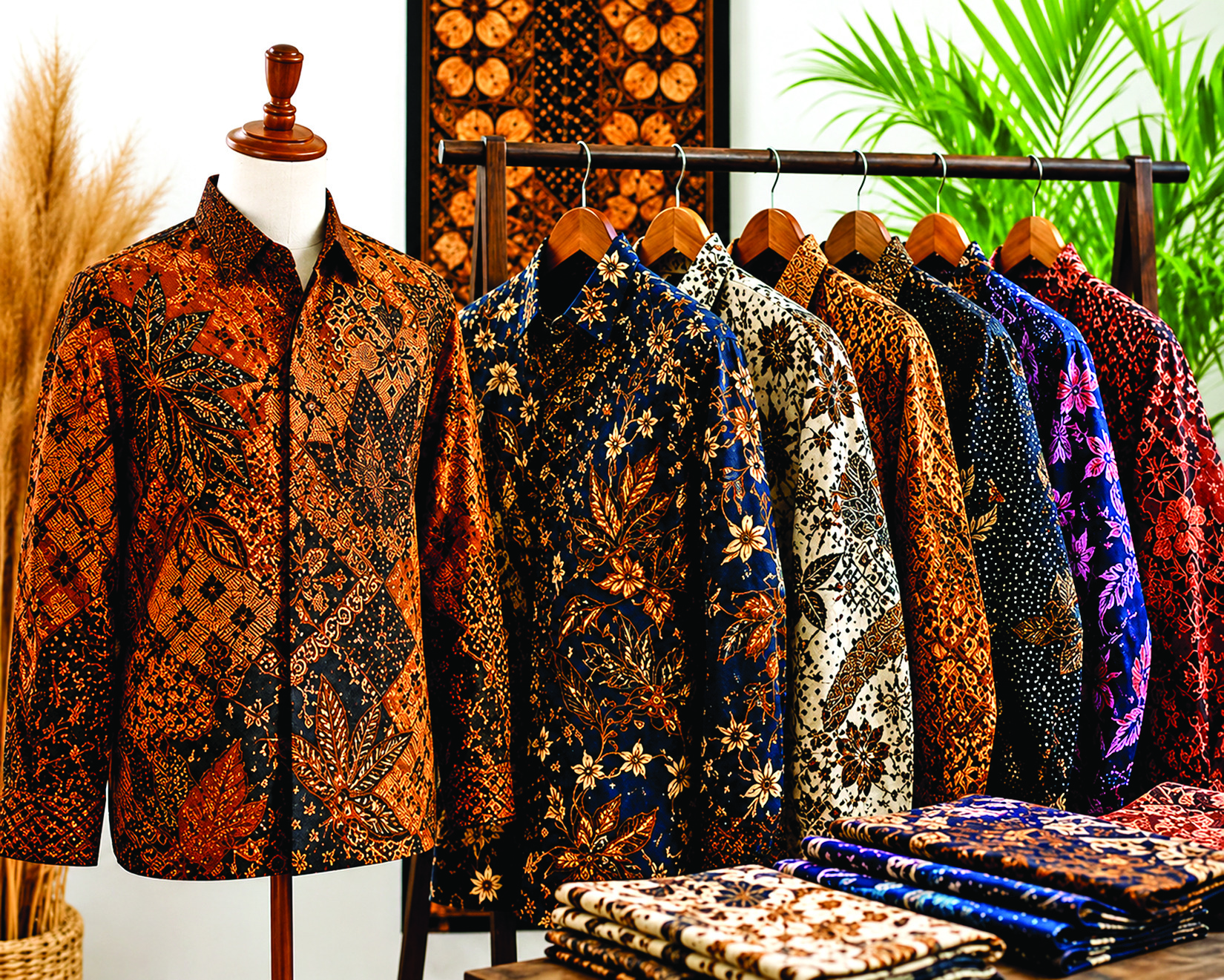
The Batik Apparel Market is gaining global attention as consumers increasingly seek clothing that combines cultural heritage with contemporary fashion. Batik, a traditional textile art known for its intricate wax-resist dyeing techniques, has evolved from ceremonial and regional attire into a widely recognized fashion category. Designers, retailers, and apparel brands are incorporating batik patterns into everyday clothing, workwear, resort wear, and premium fashion collections, expanding the market across Asia, Europe, North America, and the Middle East.
The market is being shaped by growing appreciation for handcrafted textiles, sustainable fashion practices, and demand for culturally inspired apparel.
What Is Driving the Batik Apparel Market?
One of the key factors supporting market growth is the rising demand for artisanal and handcrafted clothing. Consumers are increasingly interested in garments that reflect craftsmanship, authenticity, and cultural value. Batik apparel meets this demand through unique patterns and traditional production techniques that differentiate it from mass-produced textiles.
Another important driver is the expansion of ethical and sustainable fashion. Many batik products are made using natural fibers such as cotton, silk, and rayon, and traditional production methods often involve small-scale artisans and local communities. This aligns with consumer preferences for environmentally responsible and socially conscious fashion purchases.
The growth of tourism and cross-cultural fashion trends has also contributed to increased international demand for batik apparel.
Market Summary
“According to Research Intelo, the Global Batik Apparel market size was valued at $2.1 billion in 2024 and is projected to reach $4.8 billion by 2033, expanding at a robust CAGR of 9.4% during the forecast period of 2025–2033. The major growth driver for the Batik Apparel market globally is the rising appreciation for ethnic and artisanal fashion, fueled by increasing consumer awareness of cultural heritage and sustainable fashion trends.”
Key Market Trends
Modern batik fashion is moving beyond traditional garments. Designers are introducing batik-inspired shirts, dresses, jackets, trousers, scarves, and accessories for both casual and formal wear. Digital printing technology is also being used to create batik-style patterns at scale, making the aesthetic accessible to a wider audience while preserving demand for handcrafted premium products.
E-commerce platforms and social media have further expanded market reach by enabling artisan brands and independent designers to connect directly with global consumers.
Regional Insights
Southeast Asia remains the largest production and consumption hub for batik apparel, with Indonesia and Malaysia playing particularly important roles. Batik is deeply integrated into cultural traditions, business attire, and national fashion identity in these markets.
Meanwhile, North America and Europe are experiencing growing demand for batik-inspired apparel through sustainable fashion brands, designer collaborations, and multicultural fashion collections.
Challenges Affecting the Industry
Despite positive growth prospects, the batik apparel market faces several challenges. Handmade batik production is labor-intensive and time-consuming, which can limit output and increase costs. Competition from low-cost printed imitations may also affect artisan producers. In addition, preserving traditional craftsmanship while meeting modern fashion preferences remains an ongoing challenge for manufacturers and designers.
Market Outlook
The Batik Apparel Market is expected to continue expanding as consumers increasingly value sustainability, craftsmanship, and cultural authenticity in fashion. Innovation in textile production, broader online retail access, and growing appreciation for heritage-inspired apparel are likely to support long-term industry development. As traditional artistry continues to merge with contemporary design, batik apparel is positioned to remain an important segment of the global fashion and textile industry.
(Source: Rresearch InteloI)