Raymond Lifestyle Limited reported its highest quarterly revenue in its history during the third quarter of FY26. Total income stood at INR 1,883 crore for the quarter ended December 2025, according to management comments during its January 27, 2026 earnings conference call. The company said quarterly EBITDA was INR 271 crore, up 23% year-on-year. EBITDA margin expanded to 14.4% from 12.3% in the corresponding period a year earlier. The results point to stronger operating profitability alongside the record quarterly income figure.
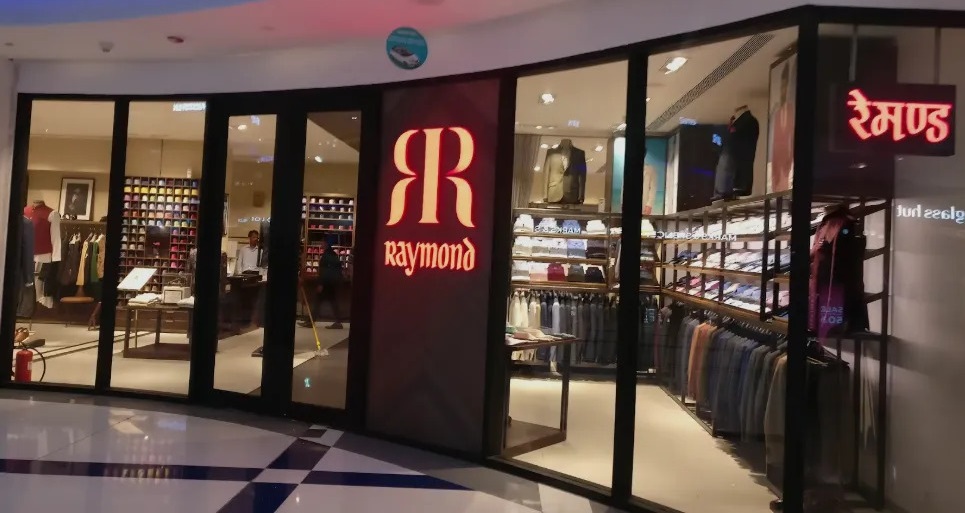
The December quarter is important for Raymond Lifestyle because its branded textiles and apparel portfolio has exposure to wedding and ceremonial demand. The company has positioned Raymond as a major player in men’s wedding and ceremonial attire. Its business also covers branded textiles, branded apparel, high-value cotton shirting and B2B garmenting. Management did not provide a segment-wise Q3 revenue breakup in the supplied conference-call extract.
For the nine months ended December 2025, Raymond Lifestyle reported revenue of INR 5,223 crore, representing growth of 9% year-on-year. EBITDA for the nine-month period was INR 652 crore, up 18% year-on-year. The nine-month EBITDA margin improved to 12.5% from 11.6% in the prior-year period. This indicates that margin expansion was recorded both in the December quarter and across the first nine months of FY26.
The Q3 margin of 14.4% was higher than the 12.5% margin reported for the nine-month period. Seasonal sales patterns can matter for apparel and wedding-related businesses, particularly when wedding dates support store traffic and purchases. However, the company did not provide a detailed explanation of Q3-specific volume, price or category trends in the supplied excerpt. The disclosed figures establish the improvement in income, EBITDA and margin during the reporting period.
Raymond Lifestyle’s earlier investor presentation outlined retail expansion as a growth driver. The company had stated plans to add more than 650 stores over the next three years. Its network at the time of the presentation covered more than 800 cities and towns, with more than 1,050 TRS stores and 1,430 MBOs. The company also identified ethnic wear, sleepwear and innerwear as new growth vectors.