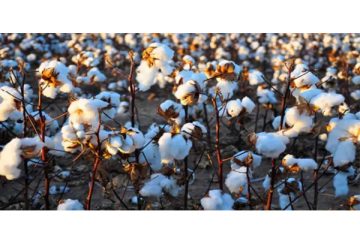
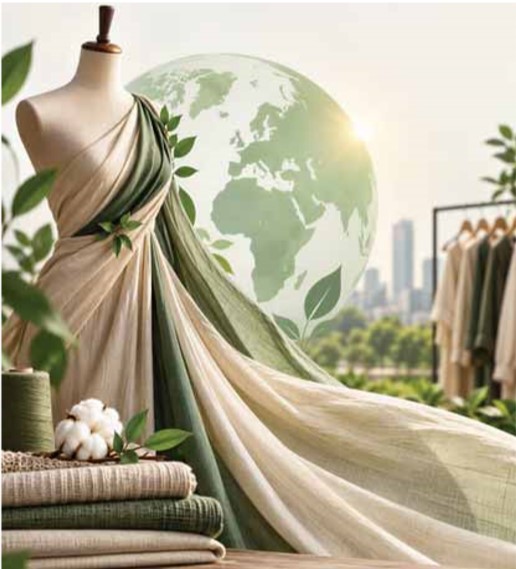
 According to Research intelo, the Global Sustainable Apparel market size was valued at $13.2 billion in 2024 and is projected to reach $45.8 billion by 2033, expanding at a robust CAGR of 14.7% during 2024–2033. One of the most significant growth drivers for the sustainable apparel market is the increasing consumer preference for eco-friendly and ethically produced clothing. As environmental awareness and social responsibility continue to permeate consumer mindsets worldwide, demand for apparel made from organic cotton, recycled materials, and other sustainable fibers is accelerating among both established and emerging economies. This shift is further amplified by the growing influence of global sustainability initiatives, stricter environmental regulations, and the fashion industry’s commitment to reducing its carbon footprint and water usage. Collectively, these factors are transforming the apparel landscape, positioning sustainability at the forefront of industry innovation and consumer choice.
The fashion industry is entering a period of structural change. Consumers, manufacturers, retailers, and policymakers are increasingly questioning how clothing is designed, produced, distributed, used, and discarded. This shift is creating new opportunities across the Sustainable Apparel Market, where environmental responsibility is becoming closely connected with product innovation, brand reputation, operational efficiency, and long-term competitiveness.
Sustainable apparel goes beyond clothing made from organic cotton or recycled polyester. It represents a broader approach to fashion that considers raw materials, water consumption, energy use, manufacturing practices, worker welfare, packaging, transportation, product durability, resale, recycling, and end-of-life management.
The market is therefore evolving from a niche segment into a strategic component of the global fashion ecosystem. Brands that once treated sustainability as a marketing initiative are increasingly incorporating it into product development and supply-chain decisions.
What Is the Sustainable Apparel Market?
The Sustainable Apparel Market comprises clothing, footwear-related apparel products, accessories, materials, manufacturing processes, and business models designed to reduce environmental and social impacts throughout the product lifecycle.
This market includes apparel made with organic, recycled, regenerative, biodegradable, or responsibly sourced materials. It also encompasses production methods that reduce water and energy consumption, minimize chemical use, lower emissions, extend garment life, and encourage circularity.
In simple terms, sustainable apparel aims to answer a fundamental question: Can fashion create value without creating unnecessary environmental and social costs. The answer is increasingly influencing purchasing decisions and investment strategies across the fashion industry.
Why Is Sustainable Apparel Becoming Important?
Traditional fashion systems have historically depended on large production volumes, frequent collections, intensive resource consumption, and short product cycles. While this model has made fashion more accessible, it has also increased concerns surrounding textile waste, resource consumption, pollution, and supplychain transparency.
Sustainable apparel offers an alternative direction. Instead of focusing exclusively on selling more products, companies are exploring ways to create garments that last longer, use better materials, generate less waste, and deliver greater value throughout their lifecycle. For consumers, sustainability can also provide a stronger sense of product identity. A garment made from recycled fibers, responsibly sourced materials, or low-impact processes can represent both personal style and environmental awareness.
Key Drivers Shaping the Sustainable Apparel Market
Rising Consumer Awareness
Consumers around the world are becoming more interested in understanding where clothing comes from and how it is made. Product labels, digital content, sustainability reports, and brand communication have made supply-chain information more visible.
Younger consumers in particular are contributing to this shift by evaluating brands on factors beyond design and price. Durability, ethical production, material sourcing, recyclability, and corporate responsibility can increasingly influence brand perception.
Growth of Circular Fashion
Circularity is becoming one of the most important concepts in sustainable apparel. The objective is to keep clothing, fibers, and materials in use for as long as possible instead of following a traditional take-make-dispose model.
Resale platforms, clothing rental, repair services, take-back programs, upcycling, and textile recycling are helping create alternative revenue models. These approaches can also encourage consumers to view garments as long-term assets rather than disposable products.
Innovation in Sustainable Materials
Material innovation is transforming apparel manufacturing. Organic fibers, recycled textiles, regenerated fibers, bio-based materials, and innovative alternatives to conventional fabrics are receiving increasing attention.
Material science companies are also exploring fibers derived from agricultural residues, cellulose, microorganisms, and other renewable sources. The longterm opportunity lies not simply in replacing one fabric with another but in developing materials that combine sustainability, performance, affordability, and scalability.
Pressure for Supply-Chain Transparency
Fashion supply chains can involve numerous stages across multiple countries. This complexity makes traceability increasingly important.
Brands are investing in supplier monitoring, digital tracking, certification systems, and data management to better understand the origin and environmental footprint of their products. Greater transparency can help companies identify inefficiencies while strengthening consumer confidence.
How Technology Is Transforming Sustainable Apparel
Technology is becoming an important enabler of sustainable fashion. Artificial intelligence can support demand forecasting and inventory management, potentially helping brands reduce overproduction. Digital design tools can decrease the need for physical samples during product development. Automation can improve manufacturing precision and reduce material losses.
Digital product passports and traceability technologies may also provide consumers with information about a garment’s materials, origin, repair options, and recycling pathway.
Meanwhile, advanced textile recycling technologies are working toward recovering valuable fibers from discarded clothing. If these technologies become commercially scalable, they could strengthen the connection between apparel consumption and circular material systems.
The Role of Sustainable Manufacturing
Manufacturing represents a critical part of apparel sustainability. Dyeing, finishing, washing, cutting, sewing, and other production processes can require significant resources.
Manufacturers are therefore exploring low-water dyeing, water recycling, renewable energy, efficient machinery, digital production systems, and improved chemical management. The future factory may increasingly resemble a resourcemanagement ecosystem in which energy, water, materials, and waste are continuously measured and optimized.
Sustainable Apparel and the Rise of Resale
The second-hand apparel economy is changing the definition of fashion ownership. A garment no longer necessarily has only one owner or one commercial lifecycle. Resale platforms allow clothing to move between consumers, while rental models allow access without permanent ownership.
This creates an interesting economic opportunity. A single garment can potentially generate value multiple times through its first sale, resale, rental, repair, refurbishment, and recycling.
For brands, this creates both challenges and opportunities. Companies may need to compete not only for first-time purchases but also for continued participation in the product’s secondary lifecycle.
Challenges Facing the Sustainable Apparel Market
Despite strong opportunities, sustainable apparel faces several obstacles. One major challenge is cost. Sustainable materials and responsible manufacturing processes can sometimes be more expensive than conventional alternatives, particularly when production volumes remain low.
Another challenge is scalability. A material may demonstrate excellent environmental characteristics in laboratory or pilot conditions but face difficulties when manufacturers attempt to produce millions of garments.
Supply-chain complexity also remains a concern. Brands may find it difficult to verify every stage of production, particularly when multiple suppliers and subcontractors are involved.
Consumer confusion represents another challenge. Sustainability claims can vary considerably between brands, making it difficult for shoppers to compare products. Clearer standards, credible certifications, measurable data, and transparent communication can help address this problem.
The Problem of Greenwashing
As sustainability becomes commercially valuable, the risk of greenwashing also increases. Greenwashing occurs when companies present products or corporate activities as more environmentally responsible than the available evidence supports. Vague terms such as “eco-friendly” or “green” may not provide consumers with meaningful information.
The future of sustainable apparel will therefore depend increasingly on measurable claims. Brands will need to demonstrate what makes a product sustainable, how its impact was evaluated, and where improvements are still required. Authenticity is becoming a competitive advantage.
Opportunities for Apparel Companies
The Sustainable Apparel Market offers opportunities across multiple parts of the value chain. Material manufacturers can develop next-generation fibers. Apparel brands can create durable and repairable products. Retailers can introduce resale and take-back services. Technology companies can provide traceability solutions. Manufacturers can build resource-efficient production facilities.
There is also an opportunity for smaller brands. Sustainability can help emerging companies differentiate themselves without competing solely on price or scale. A strong sustainable fashion brand can build its identity around durability, transparency, craftsmanship, responsible sourcing, or circularity.
Future Outlook
According to Research intelo, The future of sustainable apparel is unlikely to be defined by a single fabric, technology, or business model. Instead, the market will develop through the combination of material innovation, circular business models, digital technologies, efficient manufacturing, transparent supply chains, and more informed consumers.
The most successful companies will likely move sustainability from the marketing department into core business strategy. Product designers, procurement teams, manufacturers, logistics providers, retailers, and technology specialists will increasingly need to work together.
The apparel industry is also likely to shift from measuring success purely through units sold toward broader measurements such as product longevity, material recovery, resource efficiency, and lifecycle value.