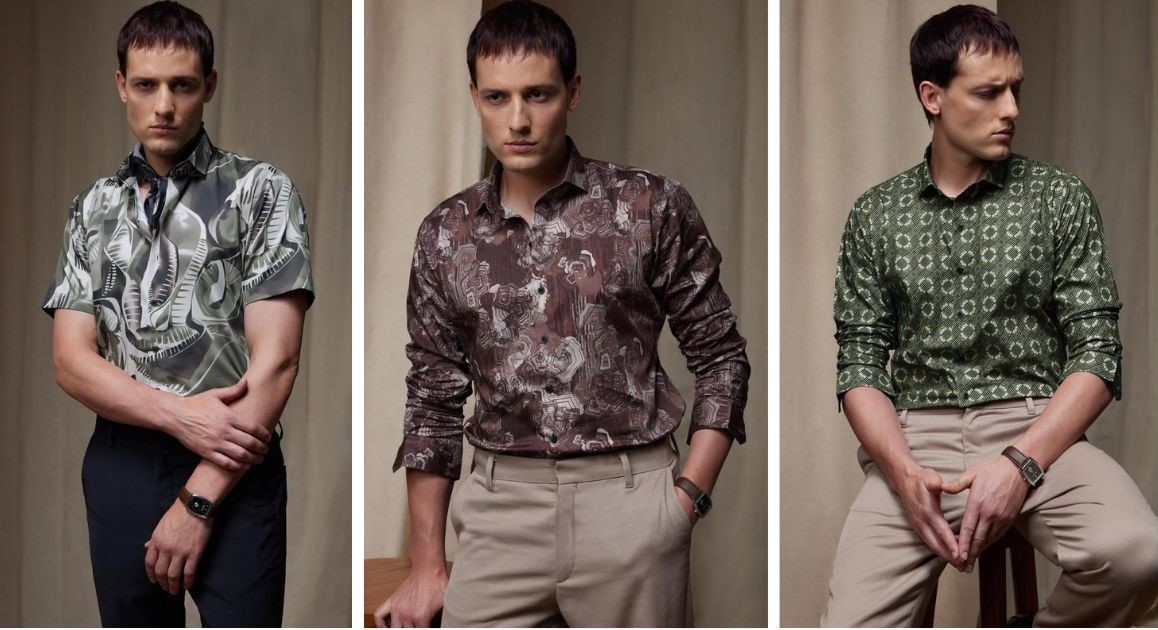
The quality of a premium shirt is often judged the moment someone wears it, not the moment they see it. While colour, pattern and fit may influence the first impression, it is the fabric that decides how the shirt performs over time. Whether it stays comfortable through long hours, keeps its shape after repeated washing or continues to look refined after regular use all depends on the way the fabric has been developed. This is why premium shirting is about much more than good design. It is built on the science and precision behind the fabric itself.
Premium clothing today is judged by more than its appearance. Buyers are paying closer attention to how a shirt feels and whether it performs well after repeated washing. This has encouraged textile manufacturers to focus on every stage of fabric development. From fibre selection and yarn quality to weaving and finishing, each process plays a role in determining the comfort, durability and overall performance of the final fabric.
Quality Begins Before the Fabric Is Woven
Every premium shirting fabric begins with the right raw material. Cotton remains the preferred fibre because of its natural comfort, but not every cotton fibre performs in the same way.
Longer staple cotton fibres are valued because they can be spun into finer and stronger yarns. These yarns create fabrics with a smoother surface, less fibre breakage and better resistance to everyday wear. As a result, the shirt feels softer against the skin, develops less surface roughness over time, and maintains a cleaner appearance even after repeated use.
Yarn Makes More Difference Than Most People Realise
A fabric may start with excellent cotton, but the final result depends heavily on how that fibre is converted into yarn. Well-spun yarn creates a cleaner, more uniform fabric with better strength and a refined finish. Poor yarn quality, on the other hand, often leads to higher yarn hairiness, uneven texture and reduced durability. This is why experienced textile manufacturers focus on spinning consistency instead of relying only on visual appeal.
Many consumers never see this part of the process, yet they experience its impact every time they wear the garment. A shirt that drapes naturally and continues to feel smooth after repeated washing is usually backed by better yarn engineering rather than simply a higher thread count.
Fabric Construction Shapes Everyday Comfort
The weave is another factor that quietly influences how a shirt performs. Poplin remains popular for formal wear because it is lightweight and crisp. Twill offers better wrinkle resistance and a softer drape, while Oxford weaves provide a slightly textured appearance suited for everyday wear.
Choosing a weave is about more than appearance. The weave determines how the fabric behaves in everyday use, including its breathability, flexibility and overall comfort. It also influences how well a shirt holds its shape and performs after regular wear and washing.
The Final Finish Often Defines the Experience
Some of the most noticeable qualities of a premium shirt are created after weaving. The finishing stage helps improve the fabric’s overall performance while enhancing its appearance and durability. Finishing processes such as mercerisation help the fabric to absorb dyes better, improve colour richness and increase fibre strength.
Many premium shirting manufacturers also use controlled finishing processes to improve dimensional stability, making garments easier to maintain and helping them retain their shape after repeated washing. Most of these improvements are not visible at first glance.
Consistency Is the Real Mark of Premium Quality
Consumers are no longer choosing shirts only for their appearance. They want garments that combine comfort, durability and long-term value. For textile manufacturers, premium shirting is far more than how it looks. It’s about how consistently the fabric performs across fibre selection, spinning, weaving and finishing. When all these elements work together, the result is a shirt that continues to look and feel premium long after the first wear.

Mr. Yash Jain, Co-Founder &
Sales Director, D.BADAMI Fashion Connection LLP.