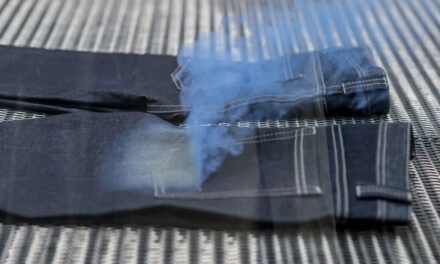
The global textile landscape is undergoing a fundamental shift from passive fabrics to “intelligent” materials. As consumer demand for high-performance, low-maintenance clothing grows, manufacturers are increasingly turning to stimuli-responsive technologies. At the heart of this movement is the Shape Memory Polymer (SMP) Market, a sector that is providing the garment industry with the tools to create fabrics that “remember” their original form, offering a permanent solution to age-old problems like wrinkling and bagging.
As per our latest market intelligence, the Global Shape Memory Polymer market size was valued at $1.4 billion in 2024, and is forecasted to hit $5.6 billion by 2033, growing at a robust CAGR of 16.8%.

The Mechanics of Shape Memory in Textiles
Shape Memory Polymers are advanced materials that can be deformed and then return to their pre-defined “permanent” shape when exposed to an external trigger, such as body heat or moisture. In the apparel sector, Shape Memory Polyurethane (SMPU) is the most widely adopted variant. Unlike traditional chemical finishes that coat the surface of a fiber, SMPs are integrated into the polymer matrix of the fiber itself, ensuring that the functional properties do not wash away after repeated laundering.
According to the latest research in the Shape Memory Polymer Market, the shift toward temperature-induced SMPs is the most significant trend for 2026. These materials allow a garment to be crushed in a suitcase and then regain a crisp, ironed appearance simply by reacting to the wearer’s body temperature.
Key Applications for Garment Manufacturers
1. Permanent Wrinkle Resistance: By incorporating SMP fibers, manufacturers can produce “iron-free” formal wear that maintains its aesthetic throughout the day, even in high-humidity environments.
2. Adaptive Fit and Compression: SMPs are revolutionizing the activewear and maternity segments. These fabrics can be engineered to adjust their tension based on the wearer’s activity level or body changes, providing customized support without the discomfort of static elastic.
3. Thermal Regulation: High-performance outerwear now utilizes SMP films that act as a “smart valve.” In cold conditions, the polymer structure remains tight to retain heat; as the body temperature rises during exercise, the polymer opens its molecular structure to allow moisture and excess heat to escape.
Regional Growth and Manufacturing Outlook
The Asia-Pacific region continues to lead the global manufacturing of smart textiles. With India and Southeast Asia serving as major export hubs, the adoption of Shape Memory Polymers is allowing manufacturers to move away from low-margin “basic” commodities and into high-value “Functional Fashion.” This transition is essential for meeting the sustainability goals of 2026, as SMP-enhanced garments are inherently more durable and require less energy-intensive maintenance over their lifecycle.
Market Segmentation: Shape Memory Polymer (SMP)
• By Trigger Type: Thermo-responsive SMPs are the most popular for apparel, activating via body heat to “self-iron” wrinkles or adjust fabric shape.
• By Material: Shape Memory Polyurethane (SMPU) is the industry standard due to its soft hand-feel and compatibility with existing textile spinning processes.
• By Function: Focus is shifting from simple aesthetics (wrinkle-free) to Active Functionality, such as adaptive compression in sportswear and smart thermal venting.
• By Format: The market is moving from surface coatings to Integrated SMP Fibers, ensuring the “memory” effect lasts for the entire life of the garment.
Conclusion
For the modern garment exporter, the integration of Shape Memory Polymers represents the next frontier of value addition. As the market moves toward 2030, the ability to offer “self-ironing” and “thermally adaptive” clothing will be the primary differentiator in the competitive global apparel market.
Source: https://marketintelo.com/report/shape-memory-polymer-market